
No products in the cart.
New
The Cozy Embrace of Tied Blankets A Comprehensive Guide to Crafting Your Own
19
Sep
Sep
Tied blankets, also known as knotted blankets, have surged in popularity due to their unique texture, versatility, and heartwarming charm. These blankets, created by tying together strips of fabric, boast a rustic yet comforting aesthetic that makes them ideal for snuggling up on a chilly evening, adding a pop of color to a room, or even making a thoughtful gift. This comprehensive guide will delve into the fascinating world of tied blankets, covering everything from choosing materials and creating the foundation to mastering various tying techniques and adding finishing touches. Whether you’re a seasoned crafter or a curious beginner, this guide will walk you through each step, empowering you to create your own unique and treasured tied blanket.
Understanding Tied Blanket Basics: Materials and Tools
Before diving headfirst into the delightful world of tied blanket crafting, it’s crucial to grasp the fundamental materials and tools required for this rewarding endeavor. Choosing the right fabrics and tools not only influences the final appearance but also the comfort and longevity of your tied blanket.
Choosing Fabrics
The beauty of tied blankets lies in their adaptability. You can experiment with various fabrics, each offering unique textures and aesthetics. Here are some popular choices:
Cotton is often regarded as a classic option. Known for its softness and breathability, cotton blankets are comfortable in varying temperatures, making them perfect for year-round use. With a wide range of colors and patterns available, you can easily find designs that suit your personal style or complement your home decor.
Flannel, another popular choice, is synonymous with warmth and coziness. The plush texture of flannel makes it an excellent option for winter blankets or for cuddling on cold evenings. Additionally, flannel comes in various charming prints, further enhancing the inviting atmosphere of your living space.
For those who desire a more rustic look and feel, denim or woven fabrics may be the perfect selection. These materials add durability and character to your blanket, making it an eye-catching piece in your collection. Consider using upcycled denim for an eco-friendly approach that tells a story while being functional.
Yarn or fleece is also a fantastic choice for creating soft, fluffy blankets. These materials are especially ideal for children’s blankets, as they provide a comforting and warm embrace. The lightweight nature of fleece ensures easy washing and maintenance, making it a practical option for busy families.
Tools for Crafting
Equipping yourself with the right tools will streamline the crafting process and enhance your overall experience. Essential items include:
- Rotary cutter and mat: For precise and efficient cutting, invest in a rotary cutter and self-healing cutting mat. This combination allows you to quickly cut fabric strips with consistent width and length, ensuring uniformity throughout your blanket.
- Ruler or measuring tape: Accurate measurements are essential when cutting fabric strips and determining the dimensions of your blanket. A clear ruler or measuring tape will help you achieve precision while crafting.
- Pins and clips: As you work with fabric strips, pins or clips will come in handy for securing pieces as you tie knots or sew edges. Ensure you have enough supplies at hand to prevent interruptions during the crafting process.
- Scissors: A good pair of fabric scissors is vital for trimming any stray threads and making adjustments along the way.
Planning Your Design
Once you’ve gathered your materials and tools, take a moment to plan the design of your tied blanket. Consider factors such as the intended use of the blanket, the color scheme, and the overall aesthetic you wish to achieve. Sketching out a rough design or creating a vision board can help visualize your project.
Incorporate elements that reflect your personality or the recipient’s interests, particularly if you are crafting the blanket as a gift. Remember, the options are limitless, allowing you to express your creativity and individuality as you embark on this crafting journey.
Creating the Foundation: Choosing Fabric and Cutting Panels
:max_bytes(150000):strip_icc()/TiedFleeceBlanket6-5a32ece07d4be8003724ac68.jpg "The Cozy Embrace of Tied Blankets A Comprehensive Guide to Crafting Your Own 3")
With your materials gathered and design planned, it’s time to create the foundation for your tied blanket. This stage involves selecting fabrics and cutting panels to prepare for the knotting process.
Selecting the Base Fabric
The foundation of your tied blanket typically consists of two layers of fabric. Start by choosing a base fabric that complements the decorative fabric you’ll be tying. This base layer provides added stability and durability to the blanket while enhancing comfort.
Consider using a solid-colored fabric as your base layer, allowing patterned or colorful fabric strips to stand out. Fabrics like cotton or flannel work well for this purpose, providing both strength and softness. When selecting your base fabric, ensure it aligns with the overall design concept of your tied blanket.
Cutting Panels for the Base Layer
After selecting the base fabric, the next step is cutting it to the desired size. Measure and cut two equal-sized panels, keeping in mind the final dimensions of your blanket once knots are tied. Aim for a minimum of 36 inches by 48 inches for a throw blanket, but you can adjust the size based on your preferences.
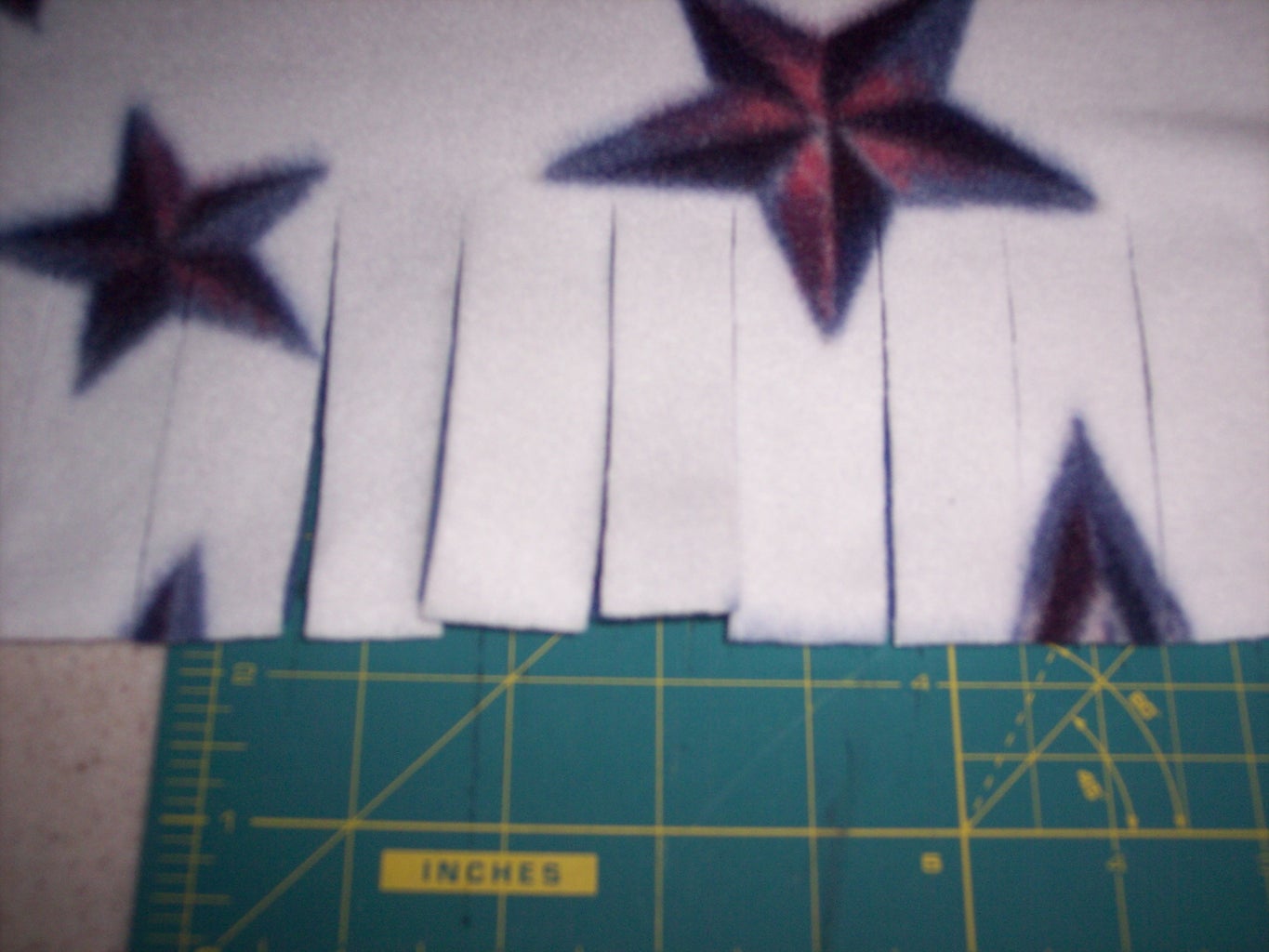
Use your rotary cutter and ruler for accurate cutting. Lay the measuring tape down and align the ruler for straight cuts. This attention to detail will ensure a polished look in the end.
Preparing Decorative Fabric Strips
While the base fabric is coming together, it’s time to turn your attention to the decorative strips. The fun part about crafting tied blankets is the array of possibilities available for personalization.
Begin by deciding how many colors or patterns you’d like to incorporate. If you opted for a neutral base layer, consider vibrant, contrasting colors for your decorative strips. Alternatively, if your base fabric is bold, choose complementary shades that harmoniously blend with your chosen theme.
Cut the decorative fabric into strips, ideally between 2 to 3 inches wide for optimal knotting. Experiment with different lengths, keeping in mind that finished lengths will shorten due to the knots. Once all pieces are cut, organize them by color or pattern in bins or bags to simplify the tying process later on.
Layering and Pinning: Preparing for the Tie Process
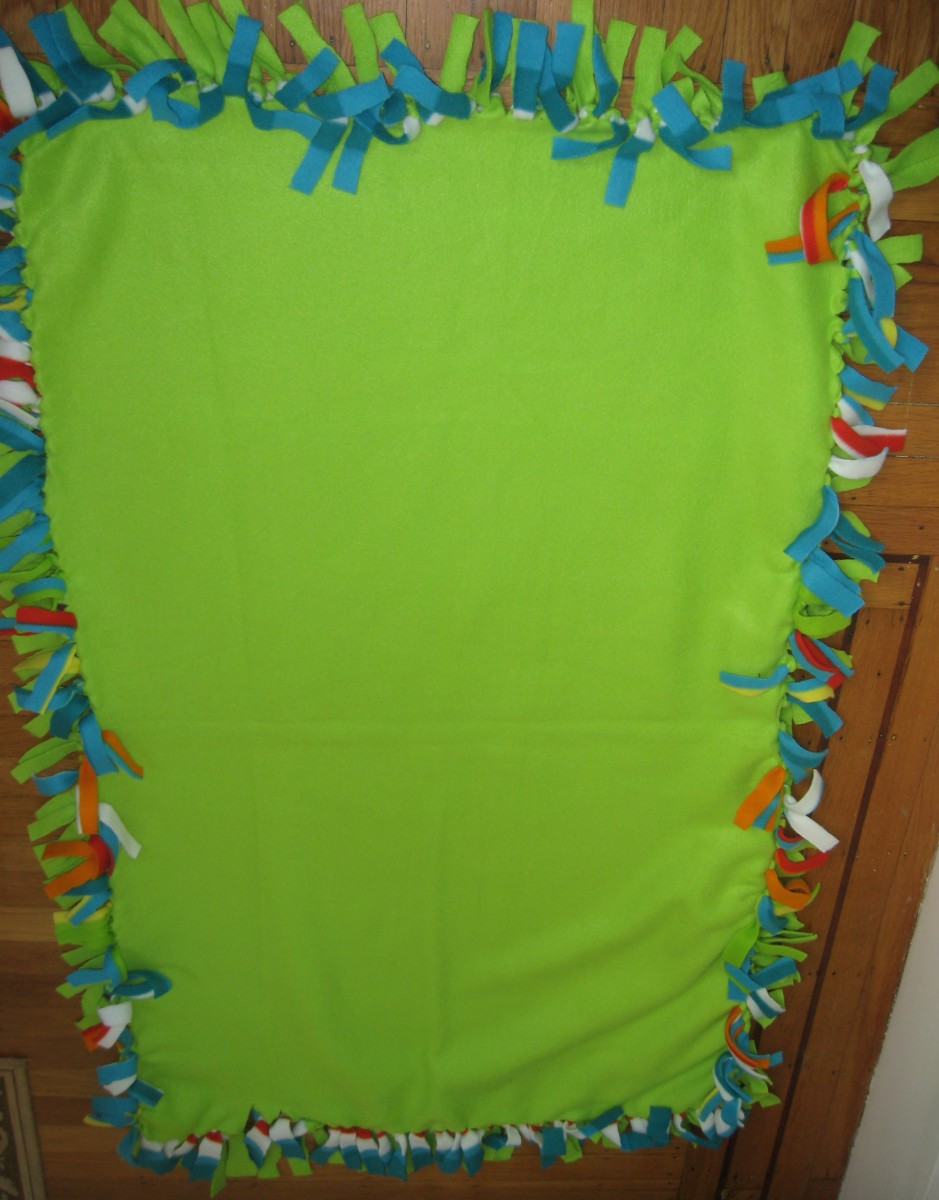
As you finalize your fabric preparations, the next step is layering and pinning your materials in preparation for the delightful tying process. Properly layering your fabrics will set the stage for an enjoyable crafting experience.
Layering Your Fabric
Begin by laying out your base fabric on a clean, flat surface. Ensure that the right side (the side you want visible) faces upward. Smooth out any wrinkles, taking care to keep the fabric taut to avoid unevenness during the knotting process.
Next, layer the second panel of the base fabric on top of the first, right sides facing in. This arrangement will allow the decorative fabric strips to be tied securely between the two layers, giving your blanket a finished look when flipped inside out.
Pinning the Layers Together
Once your fabric layers are aligned, use pins or clips to secure the edges and hold the layers in place. This step is crucial as it prevents shifting while you work on the blanket. Be sure to pin at regular intervals, approximately every 6 to 8 inches along the edges.
It’s essential to leave an opening for turning the blanket inside out later. Choose one side to leave unpinned, allowing convenient access to flip the blanket after completing the tying process.
Final Check Before Tying
Before proceeding to the tying phase, double-check the alignment and integrity of your pinned layers. Adjust any misaligned sections and ensure the edges are secure. Taking these precautions now will pave the way for a smoother crafting experience.
Having completed the layering and pinning steps, you’re ready to dive into the exciting process of tying those fabric strips!
Mastering the Tie: Different Knotting Techniques and Variations
:max_bytes(150000):strip_icc()/TiedFleeceBlanket3-5a32ec9a89eacc00379e4769.jpg "The Cozy Embrace of Tied Blankets A Comprehensive Guide to Crafting Your Own 5")
Now comes the playful part of creating your tied blanket—the tying process! This section explores various knotting techniques that will give your blanket a distinctive look and feel.
Square Knot
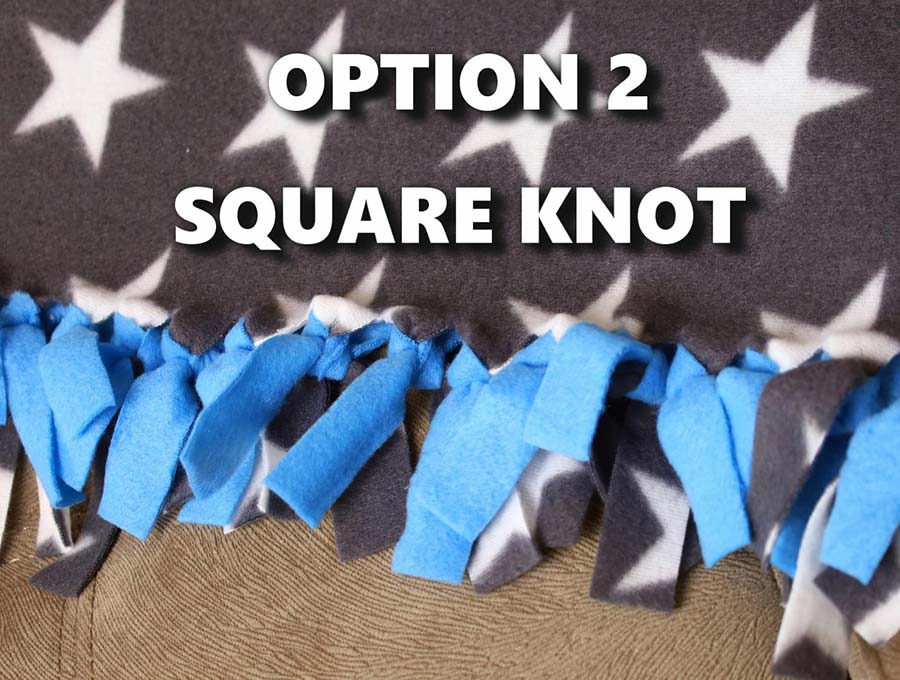
The square knot, also known as a reef knot, is the quintessential choice for beginners. It creates a symmetrical and aesthetically pleasing finish, making it the most common knot used in tied blankets.
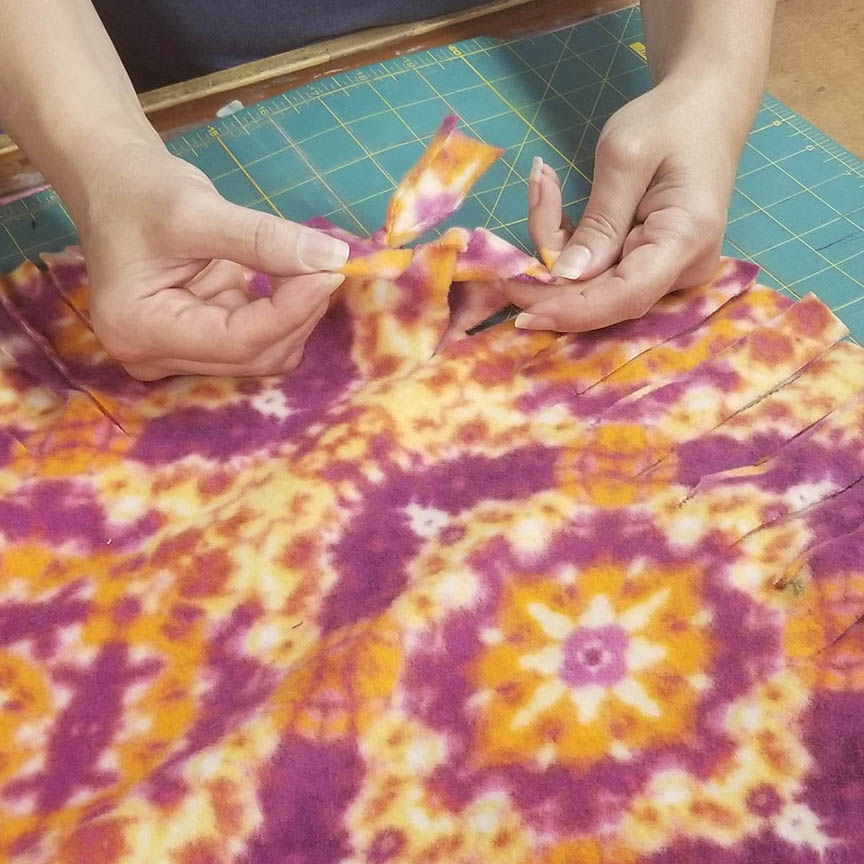
To execute a square knot, start by placing one strip over the other, forming an “X” shape. Take the top strip and tuck it under the bottom one, pulling it through the loop formed. Then, take the original bottom strip and cross it over the new top strip, repeating the same process to create a secure knot.
This knot is not only visually appealing but also robust, ensuring that your blanket remains intact through regular wear and tear.
Overhand Knot
If you’re looking for a faster and more relaxed approach, the overhand knot is a suitable alternative. This knot offers a laid-back feel, giving your blanket a casual vibe.
To create an overhand knot, simply tie one strip around another and pull the ends through the loop to form a knot. This technique works well for those who enjoy a more airy look in their blankets while maintaining functionality.
Double Knot
For added strength and security, the double knot provides an extra layer of assurance. This knot is similar to the square knot, but instead of a single pass-through, you repeat the knotting process twice.
By securing your fabric strips with a double knot, you minimize the risk of unraveling over time, making it an excellent choice for a frequently used blanket.
Combination of Knots
Feel free to mix and match different knotting techniques for a unique twist. The combination of knots adds visual interest and texture to your blanket. For instance, you might alternate between square knots and overhand knots to create a dynamic effect.
Experimenting with various combinations allows you to personalize your creation, transforming it into a one-of-a-kind masterpiece.
Creating a Consistent Look: Tips for Even and Secure Knots

Achieving a polished, professional appearance in your tied blanket hinges on consistency and attention to detail during the tying process. Let’s explore tips for ensuring even and secure knots throughout the blanket.
Maintaining Consistency in Knot Size
One of the secrets to a visually appealing tied blanket is maintaining consistency in the size of your knots. Inconsistent knot sizes can lead to an uneven finished product, diminishing the overall aesthetic.
As you tie each knot, take a moment to examine its size and adjust accordingly. Practice tying knots on scrap fabric strips beforehand to find a comfortable tension that yields a uniform look across your blanket.
Ensuring Secure Knots
While appearance matters, the functionality of your blanket relies heavily on secure knots. Loose knots can come undone over time, leading to a less durable product.
When tying each knot, apply moderate tension without over-tightening. Overly tight knots can strain the fabric, causing it to pucker or distort. Strive for a balance—knots should feel snug but not constricting.
Checking Knot Placement as You Go
Throughout the tying process, periodically check the placement and alignment of your knots. As you tie, it’s easy to lose track of spacing and positioning. To maintain a consistent look, take a step back and assess the blanket as a whole.
Adjust knots as needed, ensuring that they line up evenly across the fabric. Pay attention to color distribution and pattern alignment, particularly if you incorporated multiple fabric types into your design.
Finishing the Edges: Hemming and Sewing for a Polished Look
As you near the completion of your tied blanket, it’s time to focus on finishing the edges. Neatening the edges will enhance the overall appearance and durability of your creation.
Trimming Excess Fabric
Once all knots are tied, carefully trim any excess fabric strips to achieve a clean edge. Use sharp fabric scissors to make precise cuts, ensuring that you don’t accidentally snip into the knots themselves.
Consider leaving a small fringe for a more bohemian aesthetic. However, if you prefer a cleaner look, opt for straight cuts that align with the edges of the blanket. This step gives your project a sophisticated finish.
Hemming the Edges
Hemming is a straightforward technique that involves folding the edges of the blanket inward and sewing them in place. This method not only prevents fraying but also contributes to a polished appearance.
Using a sewing machine or needle and thread, fold the raw edge of the fabric inwards by about half an inch. Pin in place and sew along the folded edge, ensuring that the stitching is uniform and secure.
Adding a Binding
For a professional touch, consider adding fabric binding around the edges of your blanket. This technique provides a neat and finished look, elevating the overall aesthetic of your tied blanket.
Select a coordinating or contrasting fabric for the binding and cut it into strips. Attach the binding to the edges of the blanket, folding it over the raw edges and sewing it in place. This method creates a clean border, making your blanket appear even more refined.
Adding Personal Touches: Embellishments and Design Options

One of the great joys of crafting a tied blanket is the opportunity to infuse your personality into the design. Let’s explore various embellishments and ideas to make your blanket truly unique.
Incorporating Embellishments
Embellishments can elevate your tied blanket from a simple project to a cherished keepsake. Consider adding embroidered initials, meaningful symbols, or decorative patches to personalize your blanket further.
Embroidery is a beautiful way to add a personal touch. Choose a design that resonates with you or the recipient. Hand-stitching or using an embroidery machine can yield stunning results, transforming your blanket into a work of art.
Design Options Through Color Blocking
Color blocking is an excellent technique for creating distinct sections within your blanket. By alternating blocks of color, you can craft a vibrant and visually striking design.
Consider dividing your blanket into multiple sections, each showcasing a different fabric or pattern. This method enables you to play with contrasts and create a lively composition that reflects your personal style.
Textured Variations
Experimenting with texture can also add depth and interest to your blanket. Combine different types of fabrics to create unique tactile experiences. Pair soft flannel with sturdy denim or use a mix of smooth and textured materials to create compelling contrasts.
Additionally, consider utilizing varying knot styles throughout the blanket for a more dynamic look. The juxtaposition of loose and tight knots offers not only visual appeal but also a delightful variety in touch.
Washing and Caring for Your Tied Blanket
To ensure your tied blanket remains a cherished item for years to come, proper washing and care are essential. Let’s discuss best practices for preserving the quality of your blanket.
Initial Washing Procedures
Before using your newly crafted tied blanket, it’s recommended to wash it to remove any leftover manufacturing residue and to pre-shrink the fabric. Use a gentle detergent and select a cold water cycle to protect delicate fabrics.
For particularly fine fabrics, consider hand washing to avoid potential damage. Gently agitate the blanket in a tub of lukewarm water and rinse thoroughly before air drying.
Drying Recommendations
When it comes to drying your tied blanket, air drying is generally the safest option. High heat settings in the dryer can cause certain fabrics to shrink or distort, compromising the overall quality of your blanket.
If you must use a dryer, opt for a low-heat setting and keep an eye on the blanket to monitor its progress. Remove promptly once dry to reduce wrinkling and maintain its shape.
Ongoing Care
Regular care is key to preserving the longevity of your tied blanket. For spot cleaning, use a damp cloth and mild detergent to treat stubborn stains. Avoid harsh chemicals that could harm the fabric.
As needed, wash the blanket on a gentle cycle, taking care to separate darker fabrics from lighter ones to prevent bleeding. Always read the care instructions for specific fabrics to ensure you maintain their integrity.
Inspiration and Ideas: Unique Tied Blanket Projects
Tied blankets offer a canvas for personal expression, encouraging creativity and exploration. Here are some inspiring ideas and variations to consider as you develop your own projects.
Baby Blankets
Crafting a soft and cuddly blanket for a newborn or toddler is a delightful way to create something meaningful. Opt for soothing pastels or playful patterns that cater to a child’s sense of wonder.
Soft fabrics like fleece or cotton are ideal for baby blankets, offering a gentle touch against delicate skin. Consider incorporating playful appliqué designs or whimsical embroidery to capture the spirit of childhood.
Pet Blankets
Don’t forget about your furry friends! Create a cozy and durable blanket that suits your pet’s size and personality. Choose sturdy fabrics, ensuring they withstand daily wear and tear.
For an added touch, create a personalized pet blanket featuring your fur baby’s name or favorite color. This special creation will provide them with warmth and comfort, becoming a beloved addition to their resting spots.
Seasonal Themes
Consider designing blankets inspired by seasonal themes. Create a cozy fall blanket adorned with autumnal hues and leaf patterns or a light summer blanket in vibrant tropical colors.
Seasonal blankets not only enhance your home decor but also serve as thoughtful gifts for friends and family during holidays. Allow the changing seasons to inspire your fabric choices and designs.
Troubleshooting and Tips for Success: Avoiding Common Mistakes

As with any crafting endeavor, it’s important to anticipate potential challenges and equip yourself with strategies for overcoming them. This section outlines common pitfalls and offers helpful tips to ensure your success while creating tied blankets.
Avoiding Uneven Knots
One common mistake during the tying process is creating uneven knots. Inconsistent knot size can detract from the overall appearance of your blanket. To combat this issue, maintain focus on your knotting technique and practice making uniform knots prior to starting your project.
Utilizing a measuring tool to gauge the tension of each knot will also help you achieve consistency. Regularly assess your work to identify discrepancies early on, allowing for adjustments as necessary.
Managing Frayed Edges
Frayed edges can occur, particularly if you’ve cut fabric strips without sufficient caution. To minimize fraying, handle fabric gently and be deliberate when cutting.
Incorporating a hem or binding along the edges of your blanket will help prevent fraying while creating a polished look. Additionally, using pinking shears along the raw edges can effectively reduce fraying.
Keeping Fabric Organized
As you cut strips and prepare to tie your blanket, stay organized to avoid confusion. Mixing up fabric strips can lead to unexpected outcomes in design and pattern distribution.
Consider utilizing labeled bins or containers to store your fabric strips by color, pattern, or type. This organization will streamline the tying process and enable you to focus on creating rather than searching.
Conclusion
Crafting a tied blanket is a rewarding experience that allows you to create a beautiful and functional piece with your own hands. By following this comprehensive guide, you’ll gain the confidence and knowledge needed to embark on your how to make tied blankets journey. From choosing fabrics and planning your design to mastering knotting techniques and adding finishing touches, each step empowers you to create a unique and cherished blanket.
Embrace creativity, explore different techniques, and enjoy the process of creating something special and meaningful. Let your imagination run wild, and don’t hesitate to experiment with different colors, fabrics, and knotting techniques. With dedication and creativity, you can craft a tied blanket that is as unique and special as you are.
