
No products in the cart.
New
Cozy Up with a Knotted Fleece Blanket A Step-by-Step Guide to DIY Warmth
19
Sep
Sep
The crisp air of autumn and the frosty bite of winter call for cozy comfort, and there’s nothing quite like snuggling under a handmade blanket. A knotted fleece blanket, with its simple yet visually appealing construction, is a perfect project for beginners and experienced crafters alike. It’s a fantastic way to utilize scrap fleece fabrics, personalize your home décor, and create a unique, textured gift for loved ones. This comprehensive guide will take you through the entire process of making a knotted fleece blanket, from selecting your materials to finishing touches. We’ll cover everything you need to know, including tips, tricks, and troubleshooting advice, so you can confidently craft a warm and beautiful blanket that you’ll cherish for years to come.
Choosing the Perfect Fleece Fabric for Your Knotted Blanket
Before starting your journey into the world of knotted fleece blankets, it is essential to choose the right fabric. This selection can greatly influence the overall outcome of your project. The color, texture, and weight of the fleece will dictate not only the aesthetic appeal but also the functionality of your blanket.
Fleece fabric comes in various types, with anti-pill fleece being a popular choice due to its durability and softness. The advantage of using anti-pill fleece is its resistance to those pesky little balls of fuzz that can form on the surface after repeated use and washing. When choosing your fleece, consider both the tactile experience and the visual impact it will have when completed.
When deciding on colors and patterns, let your creativity flow. Think about the overall aesthetics of the space where the throw will be used. Do you want something bright and cheerful, or perhaps a more subtle and muted palette? Many people enjoy mixing different fabrics and patterns to create a patchwork effect, adding layers of visual interest to their final product.
Understanding Fleece Properties
Fleece is widely appreciated for its warmth without being overly heavy. It’s made from synthetic fibers, typically polyester, providing insulation yet remaining breathable. Understanding these properties can help you choose the right kind of fleece for your needs—whether you’re seeking something lightweight for warmer months or thicker material for frigid winter nights.
Additionally, consider the feel of the fleece. Some people prefer a smoother texture while others gravitate toward fuzzy fleeces. This choice is critical because the tactile quality of the blanket affects how comforting it feels when wrapped around you.
Color Schemes and Patterns
As you explore your options, pay attention to color schemes. You might opt for complementary colors or a monochromatic palette for a more cohesive look. If you’re creating a blanket for a loved one, try to choose colors that resonate with their personality or match their room’s decor.
Patterned fleece offers a playful option for those looking to express individuality. Floral designs, geometric shapes, or themed prints (like animals or holiday motifs) can transform your blanket into a statement piece that tells a story or evokes fond memories.
Considerations for Durability
Finally, it’s worth considering how often your blanket will be used and washed. If you plan to use it frequently, picking fleece with increased durability will serve you well in the long run. Remember, investing time in selecting quality materials can lead to a cherished blanket that stands the test of time.
Preparing Your Fleece for Knotting: Cutting and Layering

Once you’ve selected the perfect fleece, the next step involves preparing the fabric for knotting. This part of the process is crucial as it sets the stage for creating your beautiful and functional blanket.
Start by laying out your fleece pieces on a flat surface, ensuring they are smooth and even. If you’re working with larger pieces of fleece, it may help to work in sections to manage the fabric better. Aligning the edges will prevent any twisting or shifting during the knotting process, allowing for a cleaner finish.
Cutting the Fleece Strips
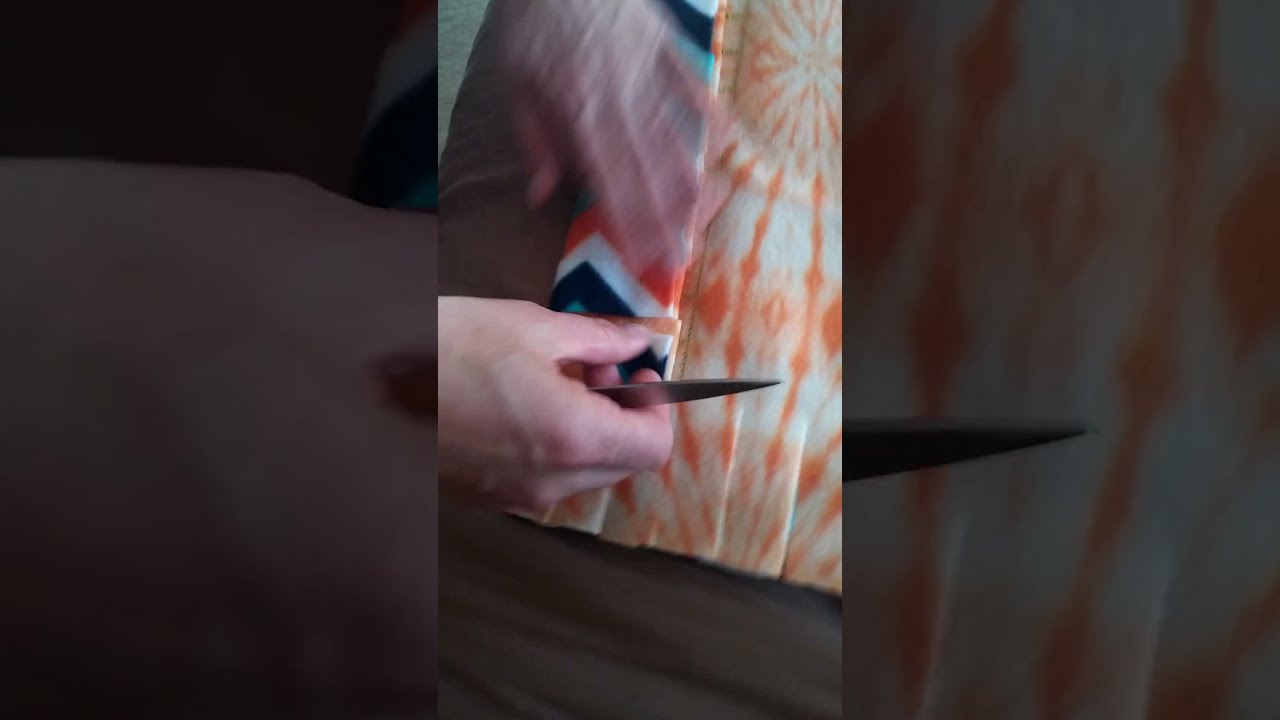
Using a measuring tape, carefully mark equal-sized strips along the length of one fleece piece. Typically, these strips range from one to two inches wide, but this can vary based on your design preferences. As you cut, remember to leave approximately half an inch uncut at the edge; this ensures that both layers of fabric remain connected and provides a secure foundation for knotting.
This cutting technique is critical as it lays out the framework for your blanket’s fringe. The width of the strips directly influences the thickness of the knots—narrower strips yield smaller knots, while wider ones result in a more substantial appearance.
Layering for the Knots
After cutting the strips, you should repeat the marking and cutting process for the second layer of fleece. Pay close attention to aligning the markings and cuts to ensure that the knots will line up correctly across both layers once the fabric is layered together.
If desired, you can pin the two layers of fleece together for extra stability. This optional step can particularly benefit beginners by preventing the layers from sliding apart during the knotting stage and ensuring an overall neater and more polished finish.
Ensuring Precision
Precision is vital when preparing your fleece. Take your time during the cutting phase to ensure uniformity in strip sizes. The more consistent your strips are, the more aesthetically pleasing your finished blanket will appear. If you cut unevenly, it can lead to wonky knots that detract from the overall look of your creation.
Additionally, focus on maintaining a steady hand while cutting. If you’re prone to jitteriness, consider practicing on a scrap piece of fleece first. This practice can build confidence in your cutting technique before you tackle your main pieces.
Creating the Knotted Grid: Mastering the Basic Knot
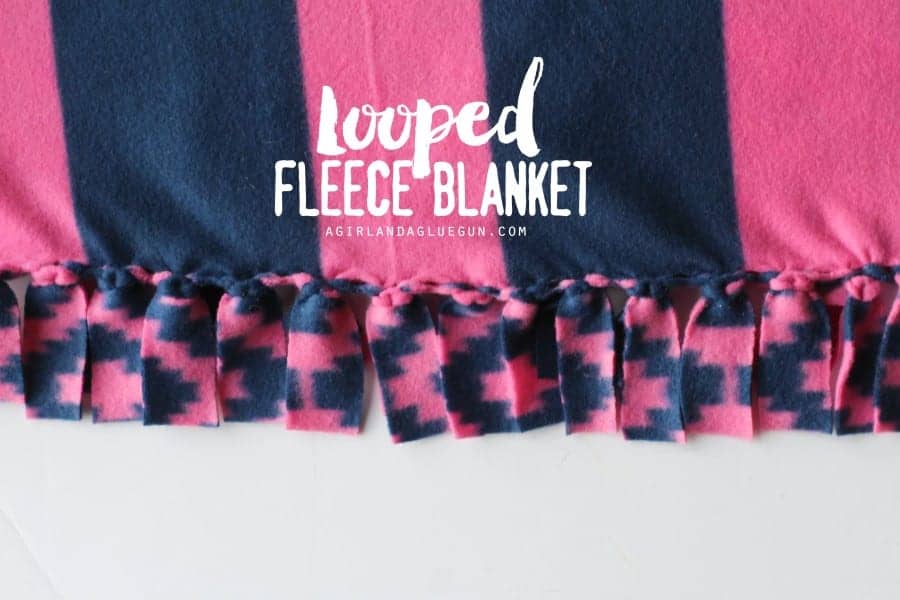
Now that your fleece is prepped and ready to go, it’s time to dive into the most exciting part of the process—creating the knotted grid! The basic knot is straightforward to master, making it accessible to crafters of all skill levels.
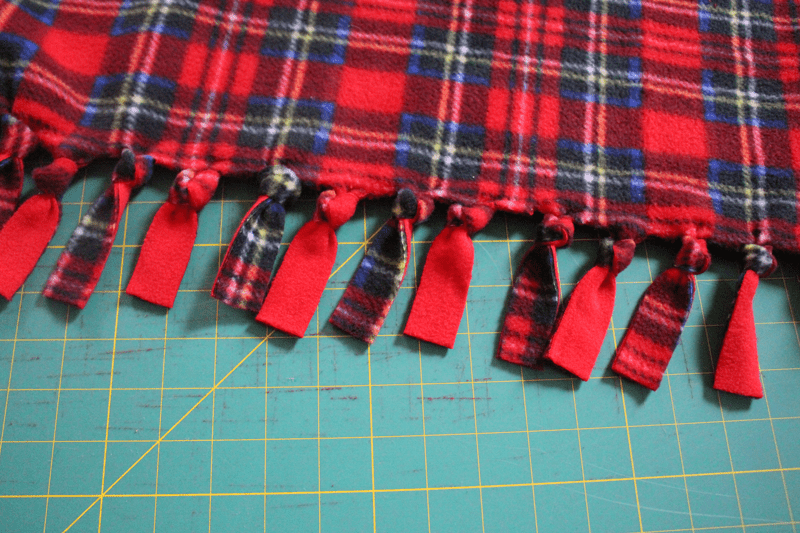
Starting at one end of your blanket, you’ll want to take one strip from the top layer and loop it over the corresponding strip from the bottom layer. By tucking the looped fabric under itself and pulling it through the opening created, you can form a tight knot. This initial knot is significant; it acts as the cornerstone for the rest of your blanket.
Maintaining Tension
As you continue knotting, it’s essential to maintain even tension throughout the process. If some knots are tighter than others, it can create an uneven appearance that may disrupt the flow of your design. Aim for consistency in both the size and tightness of each knot.
Many crafters find it helpful to complete one section of the blanket before moving onto another. Working in sections allows for better control and can prevent frustration. Plus, it gives you a sense of accomplishment as you progressively see your blanket taking shape.
Creating a Rhythm
Knotting can be repetitive, which means finding a rhythm that works for you can enhance your crafting experience. Put on your favorite show or listen to music to keep your spirits high while tying those knots. The act of creating can be meditative, and losing yourself in the rhythm can lead to a more enjoyable crafting session.
If you find yourself getting tired, don’t hesitate to take breaks. Stepping away for even a few minutes can rejuvenate your focus and help you return refreshed and ready to tackle the rest of the blanket.
Variations on the Knot: Adding Texture and Visual Interest
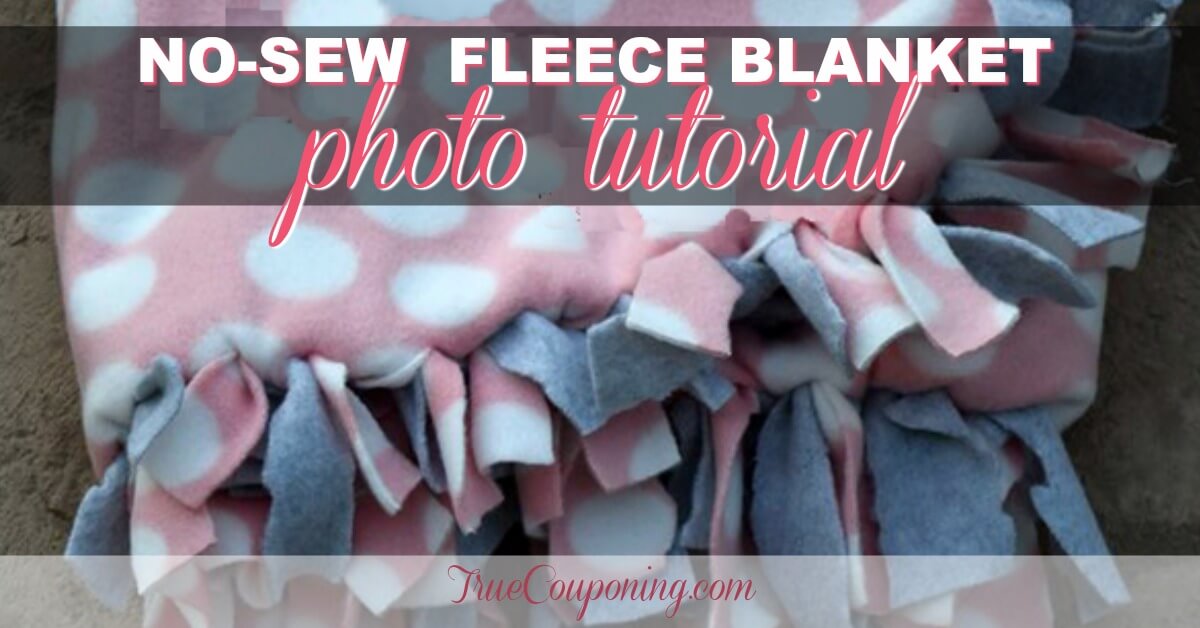
While the basic knot forms the foundation of your blanket, there are countless variations you can explore. Each knot adds unique texture and dimension, allowing you to personalize your blanket further.
One popular variation is the double knot. This technique involves looping the strip over twice before pulling it through the opening. The result is a slightly bulkier knot that can give your blanket a more substantial feel and intricate appearance.
Experimenting with Different Knot Styles
Beyond the double knot, there are other creative knotting techniques you can experiment with, such as the square knot or even braiding strips instead of simply knotting them. Using different knot styles within your blanket can turn an ordinary fleece throw into a stunning piece of art.
Incorporating a mix of knots can also provide a dynamic element to your blanket. Imagine the visual interest created by alternating between tightly knotted sections and looser, flowing areas. This contrast can draw the eye and add depth to your design.
Creating Unique Patterns
Consider planning a unique pattern or motif within the blanket. For example, alternating colors in specific sections can produce striking geometric designs. Or try working with different fabric textures that complement one another, adding yet another layer of intrigue to your blanket.
Don’t shy away from creativity! The beauty of crafting is in experimenting and discovering what resonates with your style. Use the skills you’ve learned in mastering the basic knot to unleash your imagination and create a truly one-of-a-kind piece.
Securing the Edges: Finishing Techniques for a Polished Look

With your knots securely tied, it’s time to focus on finishing techniques that will elevate your blanket’s appearance and durability. Edging may seem like a small detail, but the right finishing touch can make a world of difference.
Start by inspecting your blanket for any stray threads or uneven edges. Trimming these excess bits enhances the overall look and gives your blanket a more professional finish.
Sewing for Added Durability
Though many crafters opt for purely knotted blankets, sewing along the edges can significantly increase durability. Using a sewing machine with a zigzag stitch helps prevent the fabric from fraying, ensuring that your blanket maintains its charm throughout years of use and washing.
If you decide to sew, take care to keep your stitching consistent and straight. A ruler or straight-edge guide can assist with this. Even if you encounter minor hiccups, remember that slight imperfections add character to your handmade creation.
Final Touches
Once you’ve secured the edges, take a moment to admire your work thus far. Consider giving your blanket a gentle shake to fluff up the knots and remove any residual fabric debris.
A quick wash before using it can also revive the fleece and prepare it for cozy nights ahead. Simply toss it in the washing machine using a gentle cycle with cold water and mild detergent. Avoid bleach or harsh chemicals that could damage the delicate fibers.
Creating a Fringe: Adding a Decorative Element

One of the delightful aspects of crafting a knotted fleece blanket is the opportunity to incorporate a decorative fringe. Fringe provides a charming finishing touch that adds flair while enhancing tactile appeal.
Measuring and Trimming the Fringe
To create the fringe, start by trimming the ends of the knotted strips to a uniform length. A standard fringe length typically ranges from 2 to 4 inches, but feel free to adjust according to your personal preference.
Maintaining this uniformity in fringe length is essential, as it lends a polished appearance to your blanket. If you’re feeling adventurous, consider creating varying lengths of fringe for a more bohemian vibe.
Braiding or Twisting for Extra Style
For an added level of creativity, why not braid or twist some of the fringe? This technique transforms the traditional fringe into an eye-catching feature that elevates the whole design.
Experiment with different braiding patterns or twist styles to see what fits your personal aesthetic. Not only does this add visual interest, but it also gives an additional layer of texture that invites touch.
Troubleshooting Common Knotting Issues

Even the most seasoned crafters occasionally encounter issues during their projects. Recognizing common knotting problems and knowing how to fix them can save you time and frustration.
Uneven Knots
One frequent issue faced is uneven knots. If some knots are tighter than others, take a moment to readjust them. Gently pull on the strands to even them out and ensure they have a uniform appearance. If necessary, you can re-tie the knots for a more consistent look.
Loose Strips
If you notice strips becoming loose or unraveling, don’t panic! This situation is easily remedied. Simply re-tie the affected knots, ensuring that you maintain the correct tension. A loose knot can lead to more significant issues down the line, so it’s best to address these matters promptly.
Fraying Edges
Fraying edges can occur after repeated use or if the fabric is particularly delicate. To combat this, consider using a zigzag stitch along the edges or reinforcing any problematic areas with additional knots. Applying these techniques will help your beloved blanket endure the test of time.
Caring for Your Knotted Fleece Blanket: Washing and Maintenance
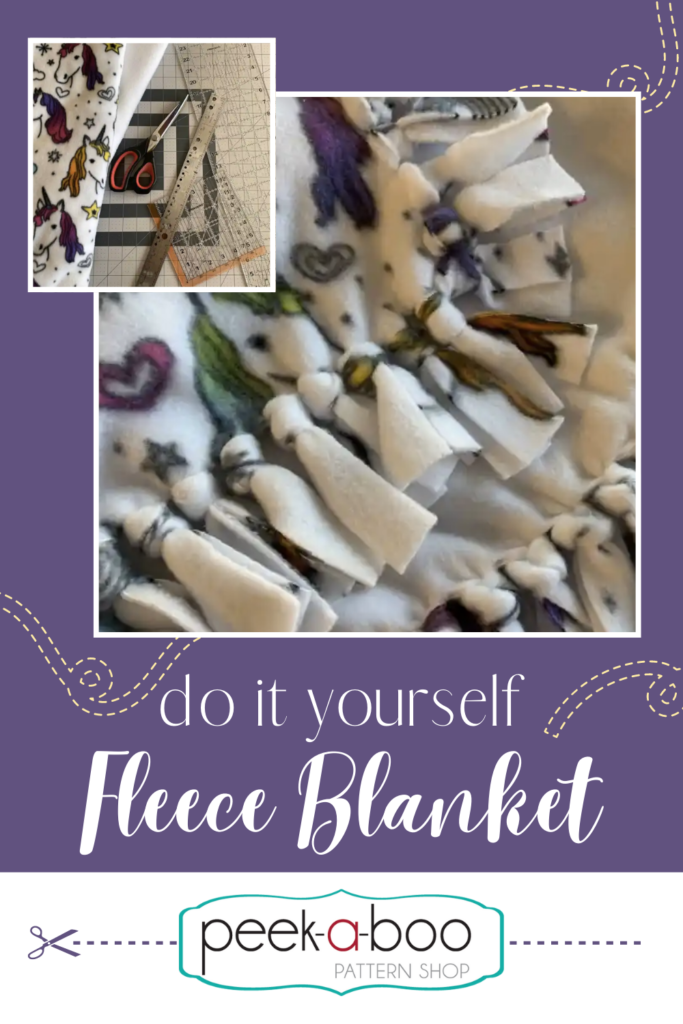
Your knotted fleece blanket is a labor of love, and proper care is essential for longevity. Following specific guidelines for washing and maintenance will ensure it remains cozy and vibrant for years to come.
Washing Instructions
When it comes time to clean your blanket, always opt for a gentle cycle. Machine washing on a cold setting with a mild detergent is best to preserve the integrity of the fleece fibers. Harsh soaps or bleach can damage the fabric, leaving you with a less desirable outcome.
Drying Options
Tumble drying on low heat is often suitable, but air drying is the gentlest method and can prolong the life of your blanket. If you choose to tumble dry, removing the blanket while still slightly damp can prevent any excessive shrinkage.
Spot Cleaning
For minor spills or stains, gently spot clean your blanket with a damp cloth and mild detergent. This technique prevents unnecessary washing and keeps your blanket looking fresh.
Beyond the Basics: Designing with Different Knot Patterns
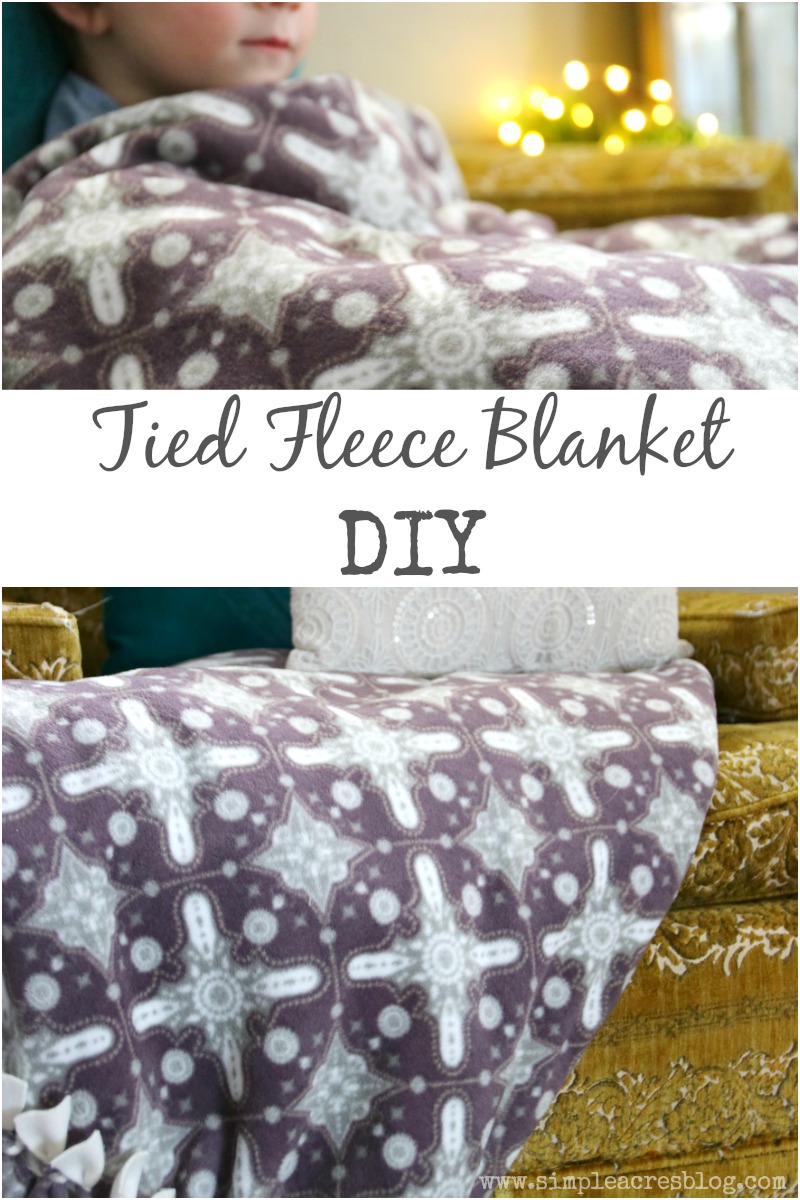
Once you’ve mastered the basics of how to make a knotted fleece blanket, the sky is the limit when it comes to designing with different knot patterns.
Exploring Advanced Knots
As you grow comfortable with the simple knots, consider exploring advanced knotting techniques. Researching other methods can introduce new possibilities for your blanket designs. You might even discover something that resonates with your personal style.
Utilizing Mixed Materials
Incorporating mixed materials can also add depth to your designs. Try combining fleece with cotton or even yarn. Mixing fibers opens up a world of endless creativity and texture, pushing the boundaries of traditional knotted fleece blankets.
Designing Themed Blankets
Creating themed blankets can be a fun and rewarding experience—perfect for gifting or seasonal decor. Whether you’re crafting a holiday-themed blanket or a cozy one for movie nights, designing with intent makes the project even more meaningful.
Inspired Projects: Ideas for Using Your Knotted Fleece Blanket
The versatility of knotted fleece blankets extends beyond just cozying up on your couch. Here are some inspired project ideas to maximize the use of your lovely creation.
Gifting Handmade Comfort
Knotted fleece blankets make thoughtful gifts for friends and family. Personalizing the colors or patterns to suit the recipient shows effort and care. Consider crafting themed blankets for special occasions, such as weddings, birthdays, or holidays.
Home Décor Accents
These blankets can effortlessly elevate your home décor. Drape them over furniture or hang them as wall art for an attractive statement piece. Their soft textures offer warmth and coziness to living spaces, inviting relaxation.
Outdoor Adventures
Perfect for picnics or outdoor gatherings, a knotted fleece blanket provides warmth when needed. Its lightweight nature makes it easy to carry, and its durable design withstands outdoor conditions.
Conclusion
Crafting a knotted fleece blanket is a rewarding experience that combines creativity, simplicity, and a touch of DIY magic. It’s a perfect project for anyone looking to create something beautiful and functional with their own hands. By following the steps in this guide, you’ll be able to create a cozy and unique blanket that brings warmth and comfort to your home for many years to come. Whether it’s for personal use or a cherished gift, your handmade knotted fleece blanket will be a reminder of the joy of crafting and the love put into its creation.
