
No products in the cart.
New
Are Dog Sweaters Good for Dogs? Exploring the Benefits, Risks, and When They’re Truly Necessary
19
Sep
Sep
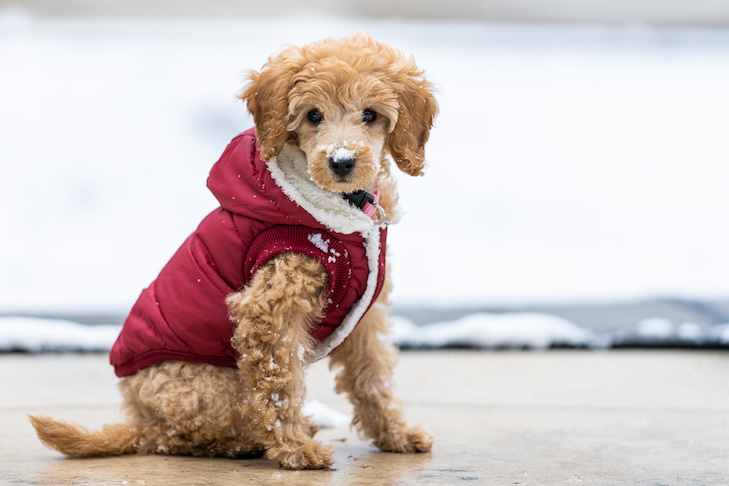
As winter approaches, pet owners often find themselves faced with a dilemma: should they put their furry friend in a dog sweater? For many, this question arises from a genuine concern for their dog’s comfort and well-being during colder months. While dogs have evolved to handle various weather conditions thanks to their fur coats, not all breeds are created equal. Factors like size, age, and health can greatly influence a dog’s vulnerability to cold. This article seeks to unravel the complexities surrounding dog sweaters, diving into their benefits, potential risks, and guidelines on when they might be truly necessary.
The Benefits of Dog Sweaters: Keeping Your Canine Companion Warm and Cozy
As we consider whether dog sweaters are good for dogs, it’s important to highlight the tangible benefits they offer. Many dog owners assume that their pets can endure frigid temperatures without any additional layers. However, sweaters can provide essential warmth and comfort, particularly for certain breeds and individuals.
Insulation Against the Cold
One of the most significant advantages of dressing your dog in a sweater is the added insulation against the cold. Unlike humans who can layer up or retreat to heated spaces, some dogs require additional help to retain body heat, especially those with short fur or small builds. A well-made dog sweater effectively traps warm air close to the body, providing a crucial barrier against chilly winds and low temperatures.
The insulating properties of a sweater become particularly evident when considering high-exposure situations, such as walks in wintery weather or outdoor playtime in the park. Even dogs with thicker fur may benefit from an extra layer as they age or face extreme weather conditions.
Enhancing Comfort for Vulnerable Dogs
Just as people bundle up when temperatures drop, dogs can experience physical discomfort due to the cold. Older dogs, puppies, and those with health issues like arthritis often struggle to regulate their body temperature. An appropriately fitted sweater can alleviate some of that discomfort by keeping these vulnerable dogs warm.
Moreover, after coming inside from a snowy outing, dogs with wet fur can quickly start to feel cold. A sweater can help dry them off while maintaining warmth, preventing hypothermia and excessive shivering. This protective measure showcases how dog sweaters are more than just fashion statements—they can serve as practical solutions for canine comfort.
Fashion Meets Functionality
While ensuring warmth is paramount, let’s not overlook the aesthetic appeal of dog sweaters! They come in a variety of styles, colors, and patterns, allowing pet parents to showcase their dog’s personality. From festive holiday designs to chic everyday wear, wearing a sweater can make outings fun and enjoyable.
Dressing up dogs has also become a way for pet owners to bond with their furry friends. Sharing moments like photoshoots in matching outfits or participating in local pet events fosters a sense of community among other dog owners. Thus, the interplay between functionality and fashion creates a culture of stylish but practical apparel for our pets.
When Are Dog Sweaters Necessary? Understanding Your Dog’s Needs
Dog sweaters are not universally necessary; their usage depends on the unique needs of each dog. Recognizing when a sweater is appropriate can be pivotal in ensuring their comfort and safety.
Assessing Individual Breeds
Different dog breeds have varying coat types, sizes, and temperaments, which directly influence their tolerance to cold. For instance, while Siberian Huskies and Alaskan Malamutes thrive in low temperatures due to their thick double coats, smaller breeds like Chihuahuas and Italian Greyhounds may suffer in similar conditions. Therefore, understanding your dog’s breed characteristics is crucial in determining whether they need a sweater.
For example, toy breeds and brachycephalic breeds (those with short noses like Bulldogs) often struggle to maintain warmth because of their lower body fat and less dense fur. In contrast, sporting breeds, which have been bred for endurance and activity rather than insulation, also warrant closer consideration.
Age and Health Considerations
As dogs age, their ability to regulate body temperature diminishes. Senior dogs may find it difficult to stay warm, making sweaters an essential part of their winter wardrobe. Additionally, health issues such as arthritis can cause discomfort in colder weather. Providing an extra layer can help alleviate pain and keep them comfortable as they navigate chilly environments.
Puppies, too, are susceptible to cold temperatures. Their still-developing thermoregulation systems mean they may not handle exposure as well as adult dogs. A snug sweater can ensure they enjoy outdoor adventures without risking their health.
Environmental Factors
Before deciding to dress your dog in a sweater, assess the actual weather conditions. Wind chill, humidity, and precipitation levels play a significant role in how cold it feels outside. For example, a sunny but cool day might not necessitate a sweater, while a windy and damp day could make it essential regardless of your dog’s fur type.
Additionally, consider your dog’s activity level. If you’re planning a vigorous hike, they may generate enough body heat to remain comfortable without a sweater. Conversely, if your dog is likely to be stationary for extended periods, a sweater can be a perfect solution.
Choosing the Right Dog Sweater: Factors to Consider for Fit, Material, and Style

Selecting a suitable sweater for your dog involves several critical factors, ranging from the fit to the material used. These elements impact not only your dog’s comfort but also their overall enjoyment while wearing the garment.
Finding the Perfect Fit
The first and foremost consideration when selecting a dog sweater is ensuring a proper fit. An ill-fitting sweater can restrict movement, lead to discomfort, or even pose safety hazards. Measure your dog’s neck, chest, and length to choose a size that accommodates their body shape.
When trying on a sweater, observe how your dog moves. They should have full range of motion without feeling constricted. Look for designs with adjustable components, such as elastic bands or Velcro straps, which can help customize the fit.
Material Matters
The material used in dog sweaters plays a significant role in both comfort and functionality. Opt for breathable fabrics that trap warmth while allowing moisture to escape. Natural fibers like cotton and wool are great choices, as they tend to be soft and gentle on a dog’s skin.
Avoid synthetic materials that can irritate sensitive skin or trap moisture, leading to discomfort. If your dog tends to overheat, look for lightweight options that offer warmth without becoming oppressive.
Styles for Every Personality
Dog sweaters come in a myriad of styles—from cozy turtlenecks to trendy cardigans. Explore various designs to find one that reflects your dog’s personality. For example, a bright, colorful sweater may suit a playful pup, while a classy knitted design could be perfect for a well-mannered older dog.
When selecting styles, also consider practicality. Sweaters with easy-to-use closures or stretchy necklines can ease the process of putting them on and taking them off, making the experience stress-free for both you and your pet.
Dog Sweater Materials: Exploring Options for Comfort and Durability
The choice of material is a vital aspect of dog sweaters that deserves special attention. Different fabrics offer unique benefits, and understanding these can aid in selecting the perfect option for your pooch.
Natural Fibers: Softness and Breathability
Natural fibers like wool and cotton are excellent choices for dog sweaters due to their softness and breathability. Wool provides superior insulation and moisture-wicking properties, helping to keep your dog warm while allowing sweat and moisture to escape. Cotton, a gentler fabric, is non-irritating and works well for layering, making it ideal for dogs with sensitive skin.
However, it’s important to choose high-quality wool that doesn’t itch. Look for blends that combine wool with cotton to balance warmth with comfort.
Synthetic Fabrics: Pros and Cons
Synthetic materials like polyester and acrylic offer durability and can be water-resistant, making them great for active dogs or those exposed to wet weather. They tend to be less expensive than natural fibers and can come in a wider array of designs and colors.
Despite these advantages, synthetic fibers may not be as breathable as natural ones. This can lead to overheating, especially for dogs that are not very active. Ensure proper ventilation in the design to prevent moisture buildup. Always monitor your dog’s comfort when they wear synthetic fabrics.
Eco-Friendly Alternatives
For environmentally-conscious pet owners, eco-friendly dog sweaters made from recycled materials are increasingly available. These options aim to reduce waste while delivering comfort and durability. Brands that prioritize sustainability are worth exploring, as they often have transparent practices regarding production and materials.
Choosing eco-friendly products allows you to care for your dog while contributing positively to the environment. This conscious decision-making elevates the responsibility of pet ownership into something more impactful.
How to Measure Your Dog for a Sweater: Ensuring a Proper and Comfortable Fit

To guarantee your dog enjoys their new sweater comfortably, accurate measurement is key. Knowing the right techniques will ensure you select a garment that fits perfectly without causing restriction or irritation.
Essential Measurements
To begin measuring, gather a flexible cloth measuring tape and ensure your dog is standing comfortably. Key measurements to take include:
Neck Circumference: Wrap the measuring tape around the widest part of your dog’s neck. Leave enough room to slide two fingers underneath for comfort.
Chest Circumference: Measure around the broadest part of your dog’s chest, typically just behind the front legs. Again, allow for some extra space to ensure they can move freely.
Body Length: Start at the base of your dog’s neck (where the collar sits) and measure to the base of the tail. This helps determine the overall length of the sweater.
Understanding Size Charts
Once you’ve gathered your measurements, refer to the manufacturer’s size chart. Sizes can vary widely across different brands, so be sure to consult the specific chart associated with the sweater you’re considering.
If your measurements fall between sizes, opting for the larger size may provide a better fit, giving your dog room to move comfortably. Moreover, sweaters with adjustable features provide flexibility, making them ideal for growing puppies or changing body shapes.
Trial Runs
When you bring home a new sweater, conduct a trial run before committing to long-term wear. Put the sweater on your dog and observe their behavior. Look for signs of discomfort, such as panting, scratching, or difficulty moving. Supervise them closely during initial tries to gauge their reaction.
A successful fit should leave your dog happy and at ease, showcasing the intended benefits of warmth without restrictions. Allowing your dog time to adjust to their new attire can foster a positive relationship with wearable clothing.
Putting on and Taking Off a Dog Sweater: Tips for a Stress-Free Experience

One of the common challenges faced by pet owners is getting their dogs to wear sweaters without fuss. By following a few simple strategies, the process can become much smoother for everyone involved.
Positive Reinforcement Techniques
To create a positive association with their sweater, establish a routine that includes treats or praise during the process. Begin by letting your dog sniff and explore the sweater before attempting to put it on. This familiarization step is crucial for easing anxiety and encouraging acceptance.
When it comes time to put on the sweater, speak softly and calmly, using encouraging words. Reward your dog with treats as soon as the sweater is on, helping them understand that wearing it leads to positive experiences.
Gradual Introduction
Start by introducing the sweater in short bursts. Initially, allow your dog to wear the sweater for just a few minutes, gradually increasing the duration as they become more accustomed to it. Monitor their behavior during this period, looking for signs of discomfort or distress.
If your dog seems uncomfortable, remove the sweater and try again later. Patience is crucial, as some dogs may take longer to adapt than others.
Safe Removal
Taking off the sweater should be as gentle as putting it on. After removing the sweater, reward your dog to reinforce the behavior positively. This practice helps avoid any negative associations with the removal process.
Ensure that your dog’s coat is dry and free of tangles before putting on or taking off the sweater, as this ensures a smooth transition and minimizes discomfort. Maintaining a calm demeanor during this process can significantly enhance your dog’s overall experience.
Dog Sweaters and Breed Specific Needs: Addressing Unique Requirements
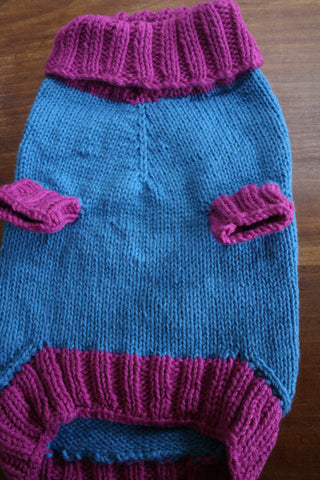
Each dog breed comes with its own distinct set of needs when it comes to clothing. Understanding these requirements can help tailor your approach to dressing your dog appropriately during the colder months.
Small and Toy Breeds
Small and toy breeds, such as Chihuahuas, Pomeranians, and Yorkies, generally lack the insulation needed to withstand cold temperatures. Due to their small size and lighter body mass, they tend to lose heat rapidly, making sweaters almost a necessity in cooler climates.
Sweaters designed for these breeds should be snug yet not restrictive, allowing for movement while providing warmth. Styles that cover the entire body, including the belly, can help maximize insulation.
Short-Haired Breeds
Breeds with shorter hair, like Greyhounds, Boxers, and Doberman Pinschers, have less natural insulation compared to their long-haired counterparts. While these breeds may appear robust, their thin coats leave them vulnerable to chilly weather.
Opt for thicker, insulated sweaters that cover the chest and neck while allowing for mobility. Pay attention to their comfort levels, as these breeds may react strongly to being dressed due to their minimal experience with clothing.
Senior and Health-Impaired Dogs
Senior dogs or those facing health challenges often require special attention when it comes to wearing sweaters. Look for sweaters that provide extra warmth without constricting movement. Consider options with convenient openings for harnesses, ensuring outdoor excursions remain hassle-free.
Additionally, if your dog has specific health concerns, consult with your veterinarian for tailored recommendations on clothing. They can provide personalized guidance and resources that consider your dog’s individual circumstances.
Addressing Concerns: Are Dog Sweaters Safe and Comfortable for All Dogs?
While many dog owners embrace the benefits of sweaters, questions about safety and comfort arise frequently. It’s essential to address these concerns to ensure a positive experience for both pets and their owners.
Overheating Risks
One major concern surrounding dog sweaters is the risk of overheating. While warmth is beneficial, excessive heat can lead to discomfort, panting, or even heatstroke. It’s crucial to monitor your dog’s behavior while they wear a sweater, especially during moderate temperatures or exercise.
To mitigate the risk of overheating, remove the sweater if your dog shows signs of distress. Offer them fresh water and ensure they have access to a cool, shaded area.
Skin Irritation and Allergies
Some dogs may develop skin irritations or allergies from particular fabrics. To minimize the risk, choose sweaters made from hypoallergenic, breathable materials. Monitor your dog for any redness or discomfort after wearing a sweater for the first time.
If you notice any adverse reactions, it’s best to discontinue use immediately. Consult your veterinarian for further advice if your dog exhibits persistent issues.
Behavioral Considerations
Not all dogs enjoy wearing clothing, and some may act out due to discomfort or anxiety. Behaviors like excessive licking, chewing, or attempts to escape indicate that the sweater is causing distress. In such cases, it might be best to forego the sweater altogether.
Understanding your dog’s preferences and tolerances is key. If they show clear signs of discomfort while wearing a sweater, respect their feelings and find alternative methods to keep them warm, such as cozy blankets or heated beds.
Styling Your Dog with Sweaters: Fashionable and Functional Choices
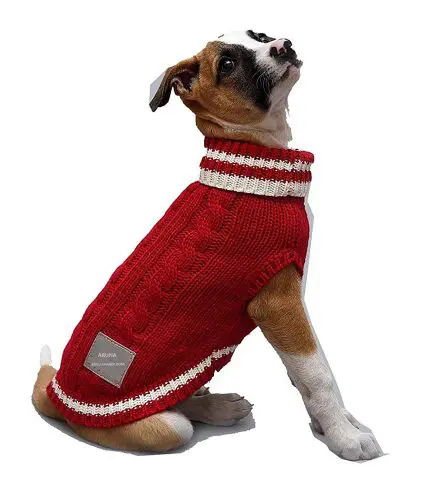
With the ever-expanding world of pet fashion, finding stylish yet functional sweater options has become easier than ever. Pet stores and online retailers offer a plethora of choices catering to your dog’s personality and lifestyle.
Trendy Designs and Patterns
From classic cable-knit sweaters to vibrant, playful prints, there is no shortage of trendy dog sweater designs. Seasonal themes, festive motifs, and fashionable cutouts reflect human fashion trends, allowing dog owners to express their style while dressing their pets.
Consider coordinating your outfit with your dog’s sweater for a fun bonding experience. Matching outfits can create memorable moments during outings or family photos.
Customization Options
Many brands now offer customization options, allowing you to add your dog’s name or a unique design element to their sweater. This personal touch makes their clothing stand out and reinforces the idea that they are cherished members of the family.
Customizable designs can also serve practical purposes, such as easily identifying your dog in public spaces.
Accessories to Complement Sweaters
Accessories like dog scarves, hats, or booties can elevate your dog’s look even further. Not only do they add flair, but they can also provide additional warmth and protection in colder climates. Choose accessories that match the color scheme or style of the sweater for a cohesive appearance.
Be mindful, however, of safety when it comes to accessories. Ensure they don’t restrict movement or pose a choking hazard. The ultimate goal is to keep your dog comfortable while looking adorable!
Maintaining and Caring for Dog Sweaters: Keeping Them Clean and in Good Condition

Caring for your dog’s sweater is essential to ensure it remains clean, functional, and comfortable for many seasons to come. Implementing effective maintenance practices can prolong the life of the garment.
Washing and Drying Guidelines
Most dog sweaters can be machine washed, but it is crucial to follow the care label instructions. Use mild detergent and wash in cold water to avoid damaging the fabric. For delicate materials, consider hand washing to prevent wear and tear.
After washing, air-drying is typically recommended, as high heat can damage certain fabrics. Lay the sweater flat or hang it up to dry, ensuring it retains its shape.
Regular Inspections
Frequent inspections of your dog’s sweater are necessary to catch any signs of wear early on. Check for fraying seams, loose threads, or signs of fading. Addressing these issues promptly will prolong the life of the sweater and ensure it remains safe for your dog to wear.
If you notice any rips or tears, consider mending them instead of discarding the sweater. Repairing damages can be a rewarding DIY project, allowing you to extend the life of your dog’s favorite garment.
Rotating Wardrobes
Having multiple sweaters on hand can make maintenance easier and provide your dog with variety. Rotating through different sweaters allows them to wear a fresh outfit while allowing any worn garments time to rest between washes.
Additionally, rotating through different styles and materials can help you identify what works best for your dog’s comfort and preferences throughout the changing seasons.
Conclusion
Determining whether dog sweaters are good for dogs requires a nuanced understanding of each dog’s unique needs and circumstances. While they can offer warmth, comfort, and style, careful consideration must be given to ensure the safety and happiness of your furry friend.
By evaluating factors such as breed, age, health, and environmental conditions, pet owners can make informed decisions about whether a sweater is beneficial. Moreover, choosing the right materials, fits, and designs enhances the overall experience, ensuring that your beloved companion stays cozy while looking fabulous.
Ultimately, investing time in understanding your dog’s preferences and tolerances is the key to successfully incorporating sweaters into their winter wardrobe. With patience and kindness, you can keep your dog warm and stylish during those chilly months, solidifying the bond you share and enjoying countless adventures together.
