
No products in the cart.
New
Mastering the Art of Mounting Your Paint by Number Canvas A Comprehensive Guide
19
Sep
Sep
Paint by numbers kits have grown in popularity over the years, providing a unique blend of creativity and fun that makes art accessible to everyone. Whether you are a seasoned artist or a beginner exploring your creative side, these kits allow you to immerse yourself in the art-making process without the intimidation often associated with traditional painting. However, once you’ve poured your heart into completing your masterpiece, you’ll naturally want to showcase it proudly. This is where understanding how to mount paint by number canvas becomes essential.
Mounting your completed artwork is not merely about displaying it; it’s about preserving it for years to come while ensuring it looks its best. This comprehensive guide will walk you through various methods of mounting your paint by number canvas, from basic techniques to more professional options. Whether you’re an artistic novice or someone with experience in handling art supplies, this guide will help you mount your canvas beautifully and ensure it stands the test of time.
Choosing the Right Mounting Method for Your Paint by Number Canvas
Before venturing into the specific techniques for mounting your canvas, it’s crucial first to choose the right method. The choice depends on several factors including the type of canvas you have, your budget, and how you envision displaying your artwork. Each method comes with its own set of advantages and considerations, so let’s explore them further.
Understanding Different Types of Canvases
The type of canvas you’re working with significantly influences the mounting method you’ll choose.
- Wrapped Canvas: These canvases are pre-stretched and already wrapped around a wooden frame. They typically include hanging hardware, making them easy to display right away. However, if you want to enhance the presentation or stability, additional mounting might still be considered.
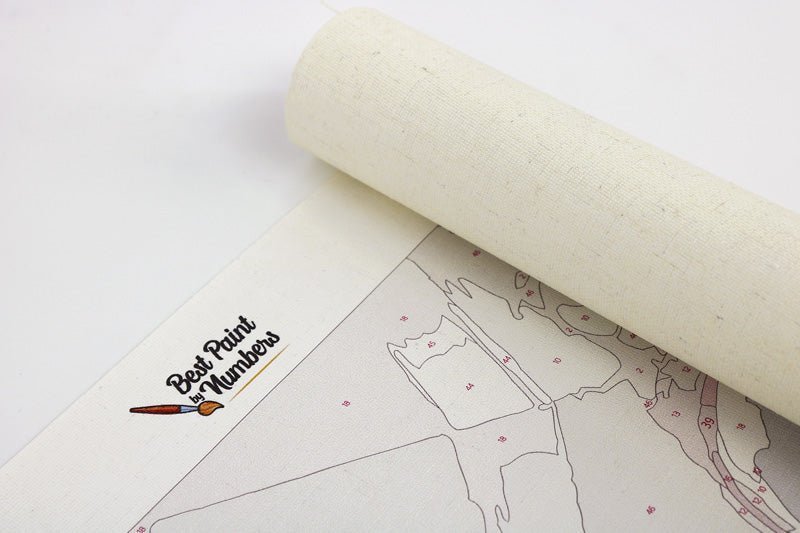
- Unstretched Canvas: This type consists of the printed artwork on a flat piece of fabric. It requires stretching onto a frame before it can be hung. This option grants flexibility in frame size and style but necessitates more effort on your part.
- Canvas Panels: The printed canvas surface is glued onto a board, usually made of wood or cardboard. Such panels generally do not require stretching but can benefit from further mounting to protect the artwork and give it a polished look.
Understanding these distinctions not only helps you select the appropriate mounting approach but also prepares you for what tools and materials you may need.
Evaluating Your Display Needs
When deciding which mounting method to use, consider where you’re planning to display your artwork. If it’s a high-traffic area or one prone to moisture, you’ll want a more durable and protective solution. For instance, custom framing offers maximum protection against dust and UV rays but comes at a higher cost.
Conversely, if the canvas is meant for a casual setting such as a children’s room or a temporary display, a simpler DIY method could suffice. Always assess your specific requirements—your choice should reflect both your artistic vision and practical needs.
Budget Considerations
While some people might opt for professional framing, others may prefer a DIY approach due to budget constraints. DIY methods can be both effective and satisfying, allowing you to express your creativity even in the mounting phase. On the other hand, investing in professional framing ensures long-term preservation.
Decide how much you’re willing to spend ahead of time. Remember that the cost of materials for DIY methods may add up, so weigh the expected quality against your budget.
Preparing Your Paint by Number Canvas for Mounting

Once you have chosen the right mounting method, the next step is to prepare your paint by number canvas accordingly. Proper preparation is vital for achieving a finished product that looks professional and stands out.
Inspecting Your Artwork
Before starting the mounting process, take a moment to inspect your completed artwork closely. Look for any imperfections, smudges, or areas that may need touch-ups.
Use high-quality brushes and paint if you decide to make corrections, and ensure the new paint is dry before beginning the mounting process. This attention to detail can significantly impact the final presentation of your canvas.
Setting Up Your Workspace
An organized workspace can make all the difference when preparing your canvas for mounting. Choose a flat, clean surface that allows ample room for your materials and tools. Gather everything you’ll need, including your canvas, stretchers, glue, ruler, scissors, and any other tools specified for your chosen mounting method.
By having everything on hand, you reduce the risk of damaging your artwork during the mounting process and ensure a smoother workflow.
Ironing Out Wrinkles
If your canvas has been stored improperly or has developed wrinkles, addressing these issues is crucial. Use a warm iron set to low heat and place a thin cloth between the iron and the canvas to prevent direct heat exposure. Carefully work out any creases, ensuring not to damage the painted surface.
A wrinkle-free canvas lays the foundation for a perfectly mounted piece of artwork. Taking this step seriously can ultimately save you from unnecessary frustrations later on.
Mounting Your Canvas on a Wooden Frame: A Step-by-Step Guide

One popular and effective way to mount your paint by number canvas is by attaching it to a wooden frame. This technique not only provides a strong structure for your artwork but also elevates its aesthetic appeal.
Sourcing Your Materials
Investing in good-quality materials is essential for achieving a professional finish. Head to your local art supply store and purchase stretcher bars specifically designed for mounting canvases. You can find these in various sizes, so choose one that suits your canvas dimensions. Additionally, you’ll need a staple gun, staples, and a rubber mallet for ease of assembly.
Assembling the Frame
Next, assemble the stretcher bars according to the manufacturer’s instructions. It’s vital to ensure all corners are securely joined to create a stable framework for your canvas.
You may want to use wood glue on the joints for added strength, particularly if your canvas is larger or heavier. Letting the glue dry before moving forward will provide extra durability.
Centering and Stretching the Canvas
With the frame assembled, lay your canvas face down on a flat surface and position the wooden frame on top. Center the frame carefully, ensuring the edges align evenly. Begin stapling one side of the canvas to the stretcher bar, taking care to keep the fabric taut as you work across the edge.
Continue this process with the opposite side, always ensuring tension remains even. Once both sides are secured, repeat for the remaining two sides, trimming any excess fabric. The goal is to achieve a tightly stretched canvas that reflects a polished finish.
Using Stretcher Bars for a Gallery-Ready Finish
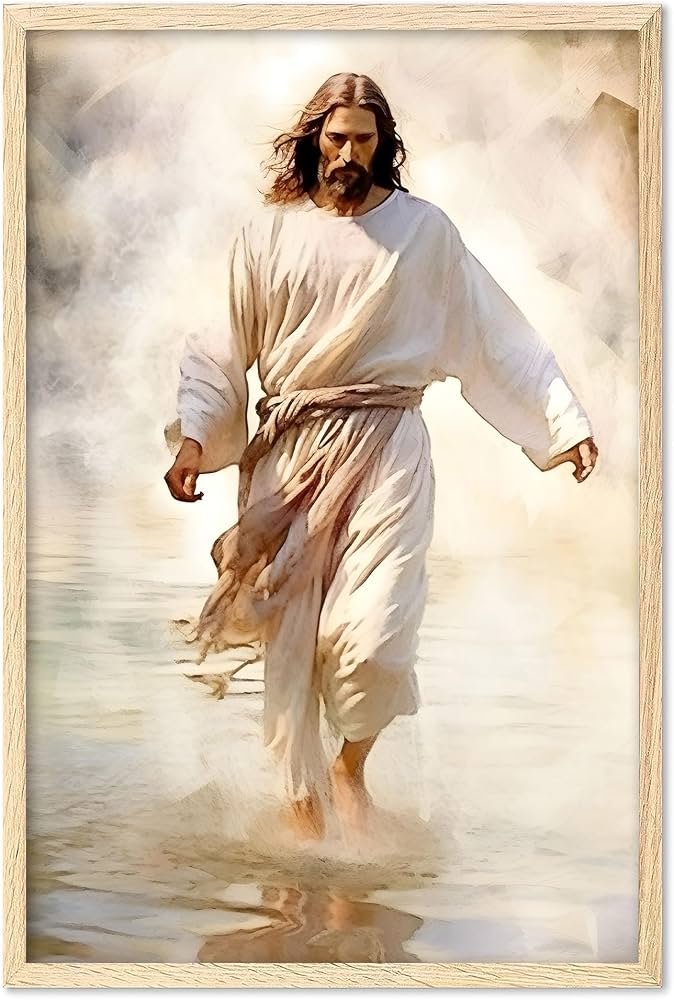
Gallery wrapping is a sophisticated method that creates a seamless, professional look. This technique effectively adds depth to your artwork, making it ready for display without the need for a frame.
Preparing for Gallery Wrapping
To start gallery wrapping your canvas, you’ll need wider stretcher bars than those used for simple stretching. Assemble these bars as described previously, making sure they are sturdy enough to support your canvas.
Consider measuring the canvas accurately to avoid any errors during the wrapping process. Take the time to double-check measurements; inconsistencies can lead to undesirable results.
Folding and Securing the Edges
Lay your canvas face down and center the stretcher frame on top. This time, as you stretch the canvas around the frame, fold the edges over the wooden bars, ensuring they are even and neat. The key to a successful gallery wrap lies in executing clean folds and tight pulls.
Start by stapling one side, moving along the edge while maintaining tension. When you reach the corners, fold the fabric neatly, creating a mitered corner for a seamless transition. Finally, apply canvas tape to the folded edges before stapling to secure the clean look further.
Finishing Touches for a Professional Look
After you’ve attached the canvas securely, inspect your work to ensure it meets your standards. The final product should appear polished and exhibit no visible staples or uneven edges.
This gallery-wrapped finish will elevate your paint by number masterpiece, making it suitable for display in galleries or your home.
Mounting Your Canvas on a Panel or Board

In addition to wooden frames, you can also choose to mount your paint by number canvas on a panel or board. This method is straightforward and perfect for smaller pieces or canvas panels.
Selecting the Right Board
To begin, choose a foam board or a sturdier mounting board made of MDF, plywood, or cardboard. Ensure the material is thick enough to support your canvas without bending or warping over time. Visit your local craft store to find a variety of options available based on size and thickness.
Adhering Your Canvas to the Board
Measure your canvas and cut the foam board or mounting board to the desired dimensions. Apply an even layer of glue to the back of the canvas or the surface of the board, ensuring thorough coverage.
Carefully align your canvas over the board, pressing gently to eliminate air bubbles. Allow the adhesive to cure fully before moving your mounted artwork. Ensure this step is performed on a level surface to avoid any misalignments.
Trimming Excess Material
If necessary, trim any excess board surrounding your canvas for a cleaner look. Be cautious while doing this; precision is key to avoiding any accidental damage to your canvas.
Once complete, you’ll have a professionally mounted piece that’s ready to hang.
Securing Your Canvas with Staples or Brads

When mounting your canvas, securing it properly is essential for longevity. Two common methods include using staples or brads, each offering unique benefits.
Using Staples for Secure Attachment
Staples are a popular choice among artists due to their ease of use and reliability. When using a staple gun, ensure that the staples penetrate deep enough to hold the fabric securely without damaging the artwork.
Work slowly and methodically, especially around corners, where the fabric should remain taut yet well-aligned.
Opting for Brads for a Unique Touch
Brads, often seen in scrapbooking, can be utilized creatively for mounting canvases. These small metal fasteners provide a distinctive flair and can be positioned strategically to highlight certain areas of your artwork.
While this method may require more patience, the end result is a captivating display that distinguishes your work from others.
Tips for Achieving a Polished Look
Regardless of whether you choose staples or brads, maintaining uniform spacing creates a cohesive and professional appearance.
For additional security, consider layering adhesive beneath your attachment method. This dual approach will enhance stability while showcasing your artwork attractively.
Using Glue or Adhesive for Mounting

In some cases, simply using glue or another type of adhesive can offer a quick and effective way to mount your paint by number canvas.
Selecting the Right Adhesive
When choosing an adhesive, ensure it’s suitable for fabric and the type of backing board you are using. Some options include spray adhesives, glue sticks, or heavy-duty craft glue.
Always check the manufacturer’s recommendations regarding drying times and suitability for your specific project.
Applying Adhesive Correctly
Carefully apply a thin, even layer of adhesive to either the back of your canvas or the mounting surface. Avoid over-saturating the canvas, as excess moisture could cause the colors to bleed or warp.
Position the canvas onto the board and press firmly, ensuring a smooth bond. If using clamps, this can further secure the canvas as the adhesive cures.
Allowing Adequate Drying Time
Finally, patience is key. Follow the adhesive manufacturer’s instructions for drying times to ensure a robust bond. Rushing this step can compromise the integrity of your mounting.
Once dry, your canvas will be permanently affixed and ready for display.
Tips for Mounting a Canvas with a Pre-Applied Finish

Some paint by number canvases come with a pre-applied finish, allowing for a different approach when mounting.
Assessing the Finish Quality
Evaluate the pre-applied finish to determine if it requires any touch-ups before mounting. If there are areas that appear dull or incomplete, consider adding more paint or varnish.
Ensure all elements are dry and set before proceeding with the mounting process.
Adjusting Your Technique
When mounting a canvas with a pre-applied finish, be mindful of the adhesive types you choose. Some stronger glues may interact poorly with the finish, leading to undesirable results.
In such cases, lighter adhesives or specialty products designed for use with finished surfaces are recommended.
Protecting Your Work
After successfully mounting your artwork, applying a protective coating can extend its lifespan. Consider using spray sealants specifically crafted for artwork to safeguard against UV rays and moisture damage.
Taking these steps will ensure your pre-finished canvas retains its vibrancy and continues to impress viewers for years to come.
Troubleshooting Common Mounting Issues
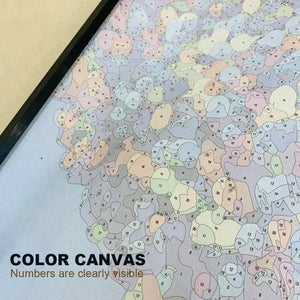
Even with preparation and diligence, certain challenges could arise during the mounting process. Understanding how to troubleshoot these issues will help you maintain the integrity of your artwork.
Addressing Air Bubbles
Air bubbles can form when mounting your canvas, leading to unsightly flaws. If you notice bubbles, gently lift the corner of the canvas and reposition it while trying to remove the trapped air.
If the issue persists, a needle can be used to puncture the bubble gently, allowing air to escape. Afterward, press down on the area to reseal it.
Ensuring Proper Alignment
Maintaining proper alignment can be challenging, especially when stretching canvas. To counteract this, use a ruler to measure equal distances on all sides before stapling or securing.
Additionally, taking your time when positioning the canvas will prevent misalignment and the need for redoing your work.
Handling Warping and Sagging
If your canvas exhibits signs of warping or sagging post-mounting, assess whether it needs tighter stretching. In some cases, removing it from the frame and restretching can remedy these issues.
Alternatively, using weights or clamps temporarily can help reset the canvas shape until it stabilizes.
Displaying and Caring for Your Mounted Paint by Number Canvas
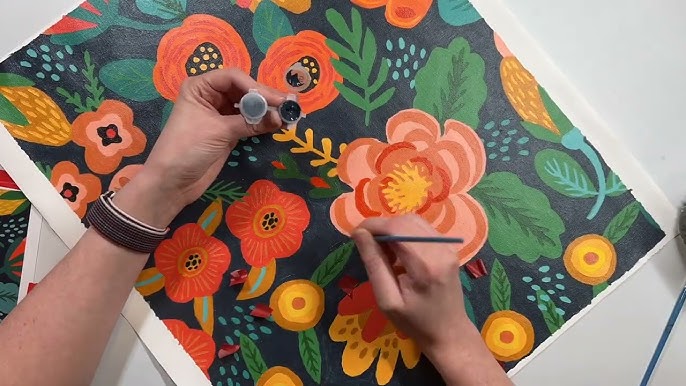
Once you have mounted your paint by number canvas, it’s time to think about where to display it and how to take care of it over the years.
Selecting the Ideal Location
Choosing the right location for your artwork is crucial for enhancing its appeal. Consider factors such as lighting, wall color, and overall room decor. Natural light can fade colors over time, so it’s wise to avoid direct sunlight when possible.
Taking a moment to visualize your canvas in various locations will aid in selecting the best spot for optimal visibility and appreciation.
Maintaining Your Artwork
To preserve the beauty of your mounted canvas, regular maintenance is key. Dust it lightly with a soft cloth to prevent buildup without damaging the surface. This keeps your artwork looking fresh and vibrant.
Avoid using harsh cleaning chemicals or abrasive materials that can wear down the finish and alter colors.
Protecting Against Environmental Factors
Lastly, minimize exposure to environmental factors like humidity, extreme temperature fluctuations, and moisture. A consistently stable environment will promote the longevity of your painted canvas, ultimately ensuring that it remains a cherished piece for many years.
Conclusion
Mounting your paint by number canvas correctly is an essential step in completing your artwork and ensuring its longevity. Whether you choose a simple DIY approach or opt for professional framing, the methods detailed in this guide will help you achieve a stunning and presentable result. By following these steps and adhering to the tips for preservation, you can proudly display your masterpiece for years to come, sharing your artistic journey with everyone who admires it.
So go ahead—embrace the joy of creation and take the leap to mount your paint by number canvas today!
