
No products in the cart.
New
Cozy Up Without a Needle A Guide to No-Sew Blanket Making
19
Sep
Sep
The allure of a warm, cozy blanket is undeniable, but the thought of tackling a sewing machine or intricate stitch patterns can be daunting for many. Fortunately, crafting a snuggly blanket doesn’t require a degree in textile arts or a lifetime supply of thread. With a little creativity and a few simple materials, you can whip up a beautiful and functional blanket without ever picking up a needle. This guide explores a variety of no-sew blanket methods, suitable for beginners and experienced crafters alike, ensuring everyone can enjoy the joy of handmade warmth.
No-Sew Blanket Basics: Essential Materials and Tools
Creating a no-sew blanket begins with understanding the essential materials and tools required for various techniques. The beauty of these blankets lies in their simplicity, making them accessible to everyone, regardless of experience level.
Fabrics are the heart of any no-sew blanket project. You’ll want to select materials that not only feel good against the skin but also provide durability. Popular choices include fleece, cotton, flannel, and even repurposed old t-shirts. Fleece is particularly favored due to its softness and ease of manipulation; it doesn’t fray, making it ideal for quick projects. Cotton and flannel are excellent for creating breathable and versatile blankets.
In addition to fabric, having a well-equipped workspace is crucial. You will need a pair of fabric scissors to cut your material, a ruler for precise measurements, and a flat surface to layout your designs. Optional items such as fabric glue or fusible interfacing can help reinforce your blanket’s structure if desired. Gathering these materials ensures that you are ready to dive into the world of how to make a blanket without sewing.
Selecting the Right Fabric
Choosing the right fabric can elevate your blanket-making experience from ordinary to extraordinary. When deciding on fabric, consider the blanket’s intended use and the seasons. For example, a warm fleece blanket is perfect for snuggling during cold winter nights, while a lighter cotton blanket may be more suitable for spring and summer.
Texture also plays a significant role in the comfort of your blanket. Fabrics like minky or sherpa offer an ultra-soft touch, while canvas or denim provides a more structured feel. If you’re using old clothing items, look for soft cotton tees or worn-in flannels, which will yield a cozy patchwork effect.
Preparing Your Workspace
Before embarking on your blanket-making journey, ensure that your workspace is clean and free from distractions. This not only enhances your focus but also prevents any mess from fabric scraps. Gather all your materials, including scissors, measuring tools, and any optional embellishments. Lay out a large enough area to spread your fabric comfortably, allowing room for cutting and arranging.
Consider playing some calming music or a podcast in the background; this creates an inviting atmosphere where creativity can thrive. Remember, crafting should be as enjoyable as it is productive!
The No-Sew Knotted Blanket: A Simple and Sturdy Option

The no-sew knotted blanket is perhaps the most straightforward option available for those exploring how to create a blanket without sewing. This method is particularly appealing for its simplicity and is perfect for beginners who may feel apprehensive about their crafting skills.
With this technique, you will create a blanket by tying fabric strips together, producing a sturdy and visually interesting design. Not only does this blanket provide warmth, but it also allows for individual expression through color and pattern choices.
Gathering Your Materials
To get started, gather a few yards of fleece or other fabric that doesn’t fray easily. Soft fleece is preferable, as it adds coziness, but you can mix and match with cotton or flannel for added visual interest. Aim for contrasting colors or complementary patterns to give your blanket a unique flair.
You will also need fabric scissors to cut your fabric into strips, approximately 1-2 inches wide. These strips should be long enough to tie securely and form a cozy blanket. Finally, prepare a flat surface to work on, ensuring you have ample space to lay out your strips as you go along.
Cutting and Tying Techniques
Begin by laying your fabric flat and cutting it into equal strips. If you’re using multiple colors or patterns, alternate them for visual interest. Once you have your strips cut, it’s time to start tying!
Lay down the first strip horizontally and take another strip to tie around it vertically. Use a simple knot, making sure it’s secure yet loose enough for flexibility. Continue adding strips in this manner, alternating between horizontal and vertical knots to build rows across the blanket.
This tying technique allows for easy customization; you can choose to make a small lap blanket or a larger throw depending on your preference. As you tie each row, take a moment to admire your handiwork and the unique pattern you’re creating.
Creating a Fringe Blanket: A Decorative and Easy Technique
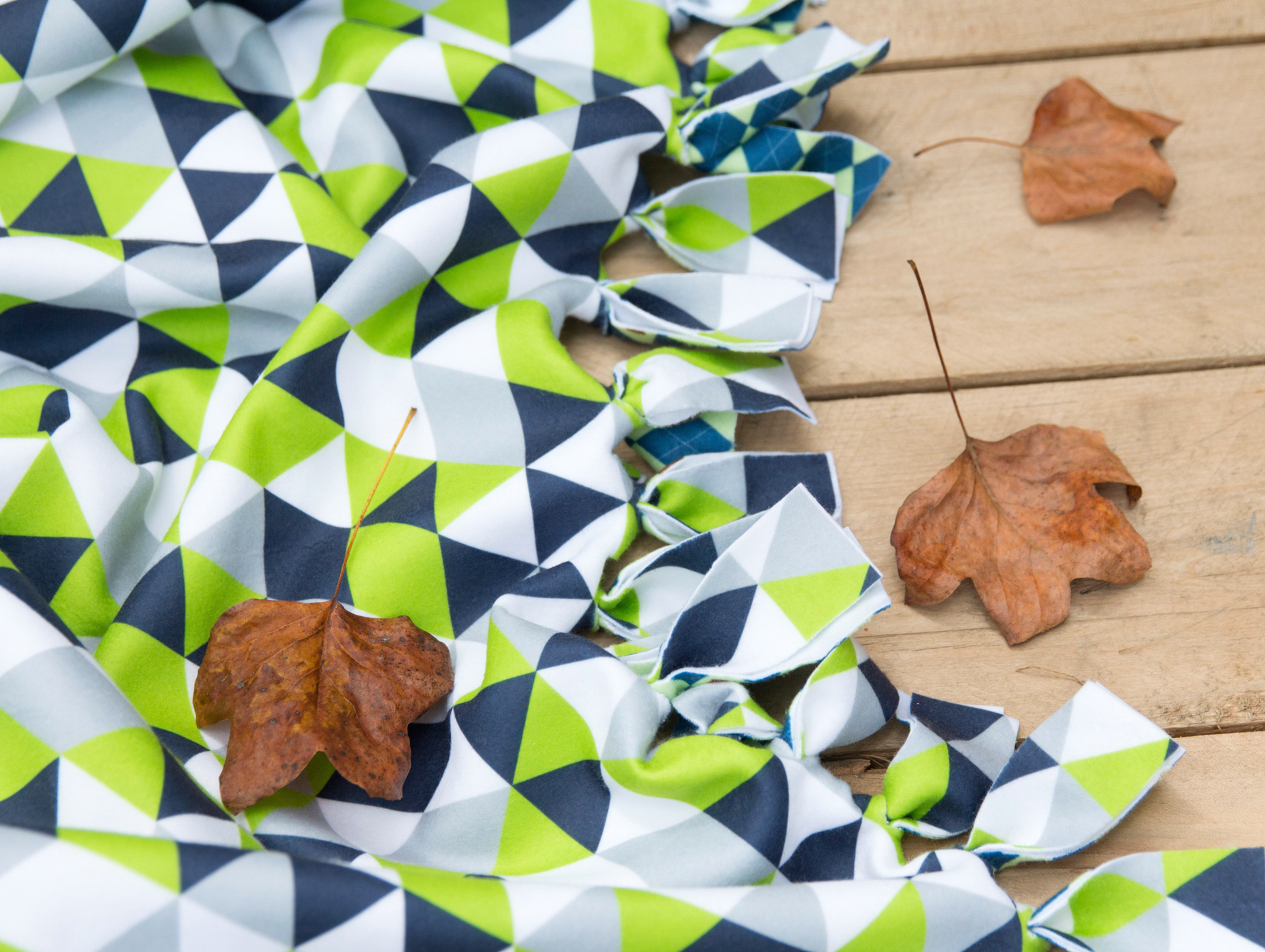
Another wonderful approach to how to make a blanket without sewing involves creating a fringe blanket. This method is both decorative and functional, resulting in a beautiful piece that can serve as a statement for any space.
Fringe blankets are characterized by their distinct fringed edges, which add texture and style. This technique is especially popular among those looking to inject a bit of personality into their home décor.
Choosing Your Fabrics
For a fringe blanket, opt for two pieces of fabric that complement each other. Fleece works well due to its non-fraying edges and softness; however, you could also experiment with cotton prints or patterned flannel. Consider using contrasting colors to create a dynamic appearance.
Ensure both pieces of fabric are of equal size; this helps maintain symmetry for your finished product. One useful tip is to pre-wash your fabrics before starting the project. This allows for any potential shrinkage and gives your blanket a softer feel.
Crafting the Fringe Edges
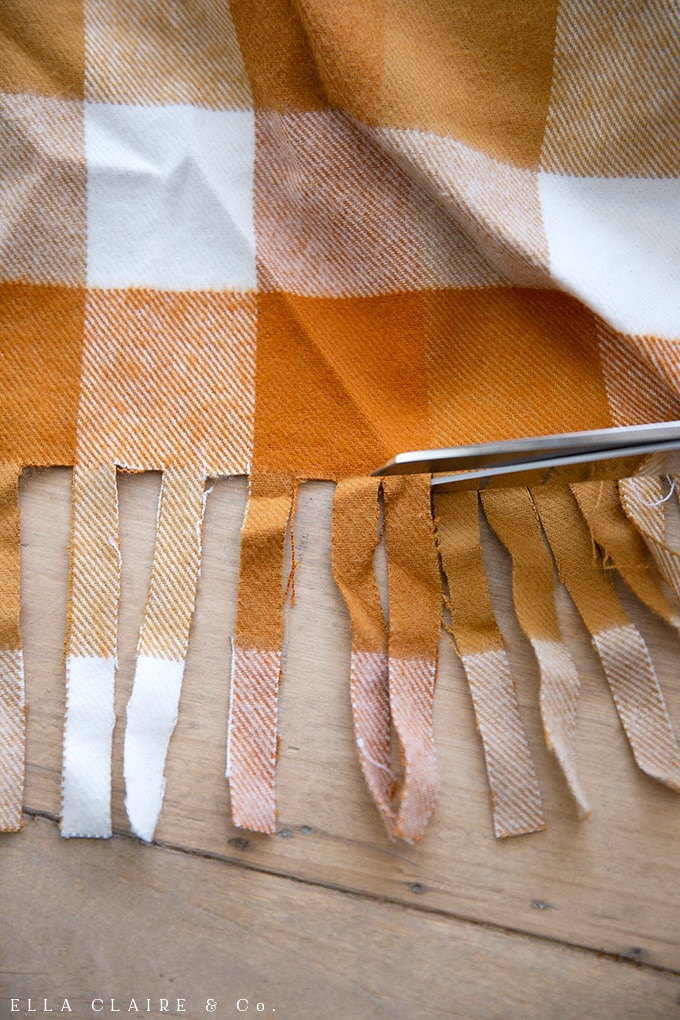
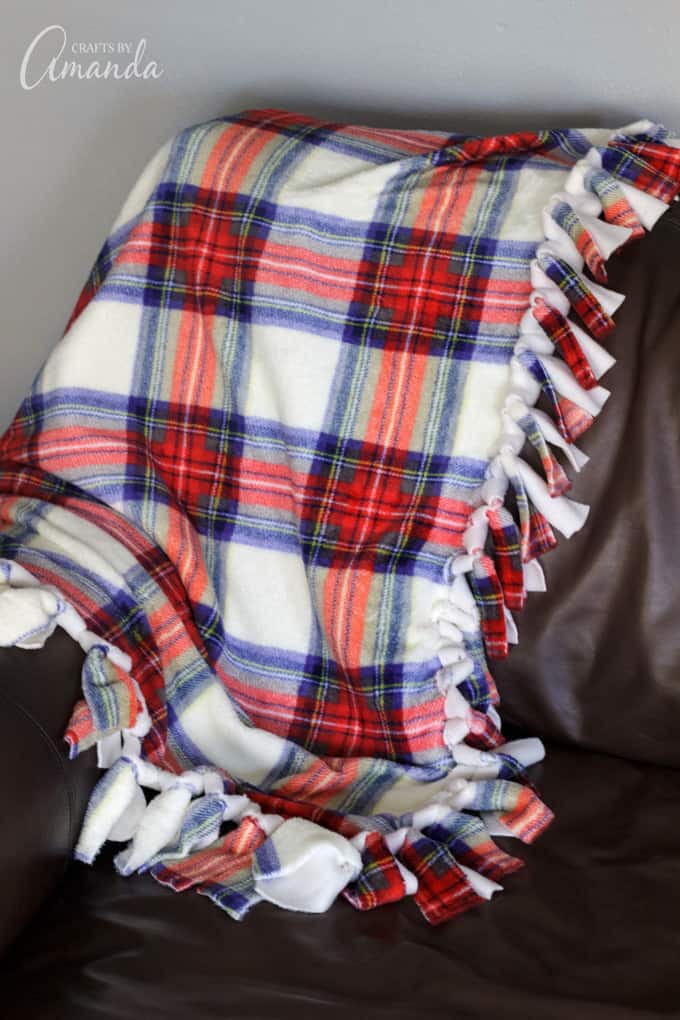
Once you’ve laid out your fabric pieces, stack them evenly with one piece facing right side up. Using fabric scissors, begin cutting strips along the edges of the blanket. Aim for 1-2 inch cuts deep enough to reach the center of the fabric—this will create the fringe effect.
After cutting, you’ll knot the fringes together, pairing strips from the top and bottom layers. Take one strip from the top layer and one from the bottom layer and tie them into a tight knot. Repeat this process around all four sides of the blanket, ensuring that the knots are secure for durability.
As you work, feel free to rearrange the fabric placements if you desire a specific design. Maybe you’d like to group certain colors together or create a pattern with your fringe—it’s entirely up to your creative vision!
Tying a Braided Blanket: A Unique and Textured Approach

Braiding fabric strips offers a unique take on the traditional blanket-making process. By incorporating a braided technique, you introduce a different textural element, elevating your blanket beyond the conventional.
This method not only creates visual interest but also strengthens the overall structure of the blanket. Plus, it’s a great way to use up fabric scraps and remnants from other projects.
Preparing Your Fabric Strips
Select a range of fabric scraps in various colors and textures. Mixing materials can result in a striking visual contrast that enhances the braided look. Use a ruler to measure and cut your strips into uniform pieces, typically 1-3 inches wide. You can vary the lengths for added dimension, but keeping them consistent will help maintain a clean braid.
Once your strips are ready, group three strips together to form the base of your braid. Make sure they are stacked evenly so that no single strand dominates the others.
Braiding Technique
To begin braiding, place your three fabric strips next to each other and start with the leftmost strip. Cross it over the center strip and then bring the rightmost strip over the new center. Continue this crisscross pattern until you’ve reached the desired length for your blanket.
As you braid, be mindful of the tension; this ensures that your braid remains uniform and doesn’t become too loose or overly tight. The tighter the braid, the sturdier your blanket will be.
Once your braid reaches the desired length, secure the ends together with a knot or fabric glue. If you want a wider blanket, simply continue braiding additional sets of three strips and attach them together.
Crafting a Woven Blanket: A More Complex No-Sew Project
Taking your no-sew skills to the next level, crafting a woven blanket involves a bit more intricacy but yields stunning results. This method provides a beautiful textured feel and a chance to showcase artistic flair through color combinations.
While weaving may seem complicated, it’s surprisingly straightforward once you grasp the basic concepts, making it a rewarding endeavor for both novice and experienced crafters.
Selecting Your Materials
Choose a variety of fabric strips, preferably in different widths and colors. Cotton or flannel works well for this project, as their rigidity allows for easier weaving. Consider selecting fabrics with varying patterns to create interesting contrasts when woven together.
You’ll also need a sturdy frame to serve as a base for your weaving. A cardboard box or a wooden board with nails can act as a loom, making the weaving process smoother.
Weaving Process
Start by cutting your fabric strips into manageable lengths. Secure your warp strings (vertical strands) to the frame, spacing them evenly apart. Next, begin the weft (horizontal strands) by interlacing your fabric strips over and under the warp strings.
This back-and-forth motion creates the woven effect, and you can alternate colors to achieve a unique look. As you progress, push the woven strips tightly together to prevent gaps, and use a comb or your fingers to keep everything neat.
Once you reach the desired size, carefully remove the woven blanket from the frame and tie off the ends to secure your work. You can finish the edges with knots or fabric glue to enhance durability.
No-Sew Fleece Blanket: A Quick and Cozy DIY
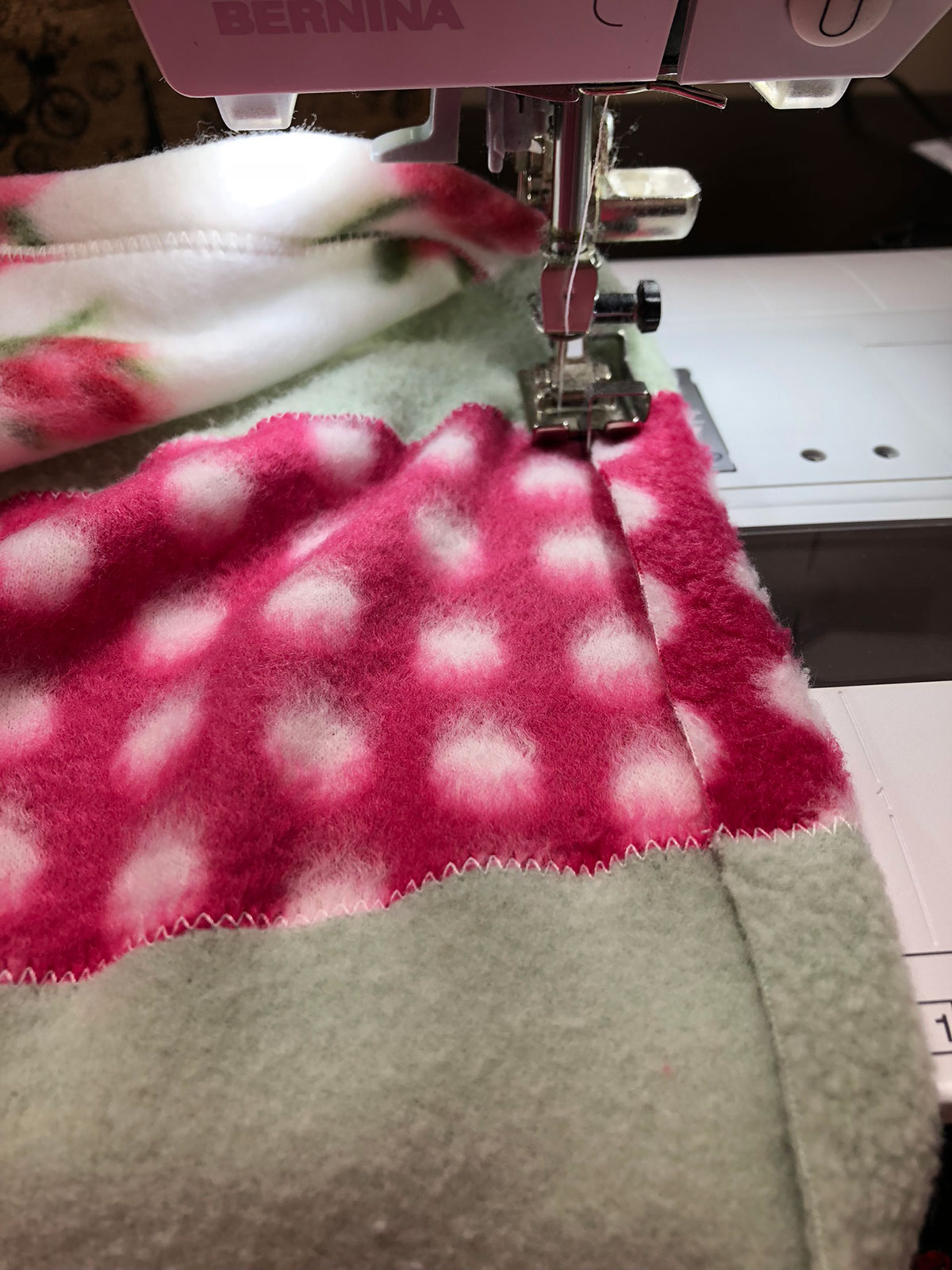
The no-sew fleece blanket is the ultimate go-to for anyone seeking a fast and cozy DIY project. Known for its warmth and versatility, this type of blanket requires minimal effort while delivering maximum comfort.
Whether you want to cuddle up on the couch or provide warmth during outings, a no-sew fleece blanket is a delightful addition to any home.
Choosing Your Fleece
When selecting fleece, allow yourself to explore various colors and patterns that appeal to you. Fleece fabric is widely available in stores and online, offering endless possibilities for customization. Consider choosing two coordinating pieces to create depth and visual interest.
Purchase enough fabric to achieve your desired blanket size, typically around 1.5 to 2 yards per piece. The best part about fleece is that it has no fraying edges, eliminating the need for any sewing or finishing.
Constructing the Blanket
To create your fleece blanket, lay one piece of fleece on a flat surface, wrong side up. Place the second piece on top, right side up, aligning the edges carefully. Use fabric scissors to cut 1-2 inch strips along the edges, making sure to cut through both layers.
Next, tie the fringes together, forming knots to secure the two layers. Start at one corner and work your way around the blanket, ensuring the knots are tight enough to keep everything intact. As you tie, feel free to mix and match colors and textures for an individualized look.
When completed, trim any uneven threads for a polished finish. At this point, you can also add personalized touches by incorporating embellishments or fabric paint for a unique design.
Repurposing Old T-Shirts into a No-Sew Blanket

Repurposing old t-shirts into a no-sew blanket is not only eco-friendly but also a fantastic way to create a sentimental keepsake. Many people hold onto shirts that carry memories from special events or milestones, and turning them into a blanket preserves those moments in a functional form.
This project is beginner-friendly, making it an excellent introduction to the world of no-sew crafting.
Choosing and Preparing Your T-Shirts
Gather a collection of old t-shirts in various colors and sizes. Look for shirts that resonate with you personally or ones that have unique graphics or logos. Aim for at least five to six shirts to create a decent-sized blanket.
Begin by cutting the shirts into equal strips, roughly 1-2 inches wide. Ensure that the strips are relatively even in length; this will help create a cohesive look throughout your blanket.
Tying the Strips Together
To construct your blanket, lay the first row of strips horizontally on a flat surface. Begin taking strips from the second row and tie them to the first row using simple knots. Alternate between tying the strips across and down the blanket to create a patchwork-like design.
As you work your way through the blanket, remain mindful of the arrangement of colors and patterns, as they contribute significantly to the final aesthetic. Feel free to incorporate fabric markers or paint to embellish your t-shirt blanket further, giving it a personal touch.
Once you reach the desired size, trim any irregular ends and secure any stray knots to finalize your creation.
Building a Patchwork Blanket Without Sewing: A Creative Outlet
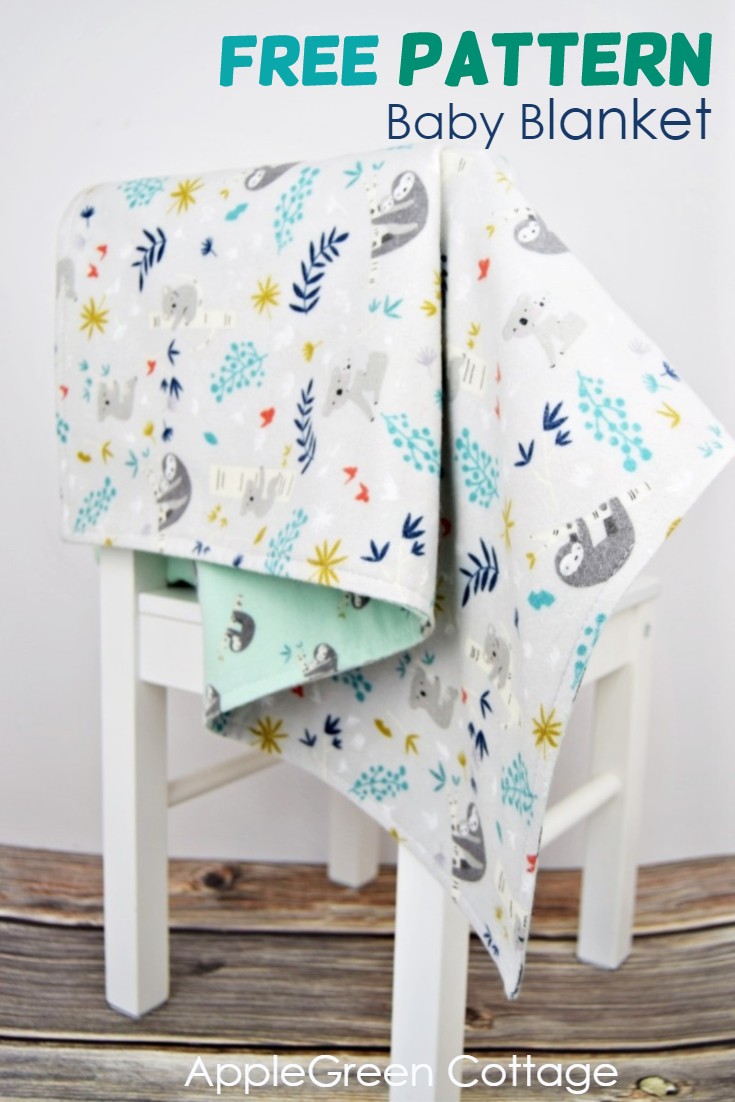
A patchwork blanket offers a wonderful opportunity to express your creativity by combining various fabric types and patterns. This no-sew project allows crafters to let loose and create a vibrant masterpiece without the constraints of traditional sewing techniques.
Not only does this method yield a stunning blanket, but it also serves as an excellent way to recycle unused fabric or clothing, making it an environmentally friendly option.
Curating Your Fabric Collection
To embark on this venture, gather a diverse collection of fabric squares or strips in various colors, patterns, and textures. Consider rummaging through your fabric stash, visiting thrift shops, or raiding your closet for old clothes.
Assembling a variety of fabric pieces will enhance visual interest and enable you to play with color combinations as you assemble your patchwork blanket.
Arranging and Bonding Your Pieces
Once you’ve gathered your fabrics, take a moment to arrange them on a flat surface. Experiment with different layouts, alternating colors and prints until you find a combination that resonates with you.
Once satisfied with your arrangement, you can either use fabric glue or fusible interfacing to bond the pieces together. Following the instructions provided with the interfacing, apply heat with an iron to fuse the fabrics in place securely.
After bonding, trim any excess fabric around the edges and press thoroughly for a polished finish. Your patchwork blanket will not only be a functional item but also an eye-catching piece of art reflecting your personal style.
Finishing Touches for Your No-Sew Blanket: Adding Flair
Upon completing your no-sew blanket, devote some time to adding finishing touches that will elevate your creation. Personalizing your blanket not only enhances its aesthetic appeal but also imbues it with sentimentality.
Embellishing with Designs
Utilize fabric markers, paints, or stencils to add unique designs to your blanket. Whether it’s a favorite quote, playful shapes, or intricate patterns, this artistry transforms your blanket into a true reflection of your personality.
If you’re feeling particularly crafty, consider adding appliques made from leftover fabric scraps. These can be sewn or glued onto the surface, providing an additional layer of texture and interest.
Reinforcing Durability
While many no-sew techniques create inherently strong blankets, reinforcing areas of high stress ensures longevity. Use fabric glue or stitch witchery to secure seams and edges that may be prone to wear and tear.
Additionally, consider double-knotting any loose ends or tails from your knots to prevent unraveling over time. Taking these precautions ensures your blanket will withstand use and retain its beauty through countless cuddles.
Tips and Tricks for a Successful No-Sew Blanket Project

Successfully completing a no-sew blanket project takes practice and a willingness to learn. Here are a few tips to ensure your crafting experience is enjoyable and fulfilling:
Embrace Creativity
Don’t hesitate to think outside the box! While the instructions provided here offer a solid foundation, adapting techniques to suit your preferences allows for greater personalization. Mix and match materials and experiment with different patterns or textures for truly one-of-a-kind creations.
Stay Organized
Maintaining order in your workspace will lead to a more seamless crafting experience. Keep your fabric organized by color or type to streamline the selection process. Additionally, setting aside dedicated time to work on your blanket ensures focused progress without interruptions.
Seek Inspiration
Look to social media platforms, craft blogs, or Pinterest for ideas and inspiration. Seeing the creative work of others can spark new ideas and motivate you to try different techniques. Don’t be afraid to share your progress with fellow crafters for feedback and encouragement!
Conclusion
Creating a cozy, no-sew blanket is a rewarding and accessible craft project. By mastering these simple techniques, you can transform discarded fabric scraps, old clothes, or yarn into a cherished addition to your home or a thoughtful gift for a loved one. The joy of crafting your own blanket comes not only from the satisfaction of creating something beautiful by hand but also from the sense of warmth and comfort it brings. So, choose your favourite method, gather your materials, and unleash your creativity. The journey from a simple idea to a warm and inviting blanket is an experience you won’t forget.
