
No products in the cart.
New
How Much to Spend on Christmas Gifts Per Child Finding the Sweet Spot

19
Sep
Sep
Christmas is a time filled with joy, family gatherings, and the spirit of giving. As parents, we often find ourselves caught up in the whirlwind of holiday preparations, eager to make our children smile with the perfect gifts. However, the pressure to spend can lead to financial strain, making it essential to navigate the tricky waters of gift-giving budgets thoughtfully. In this comprehensive guide, we will explore how much to spend on Christmas gifts per child while considering various factors that influence spending, strategies for effective budgeting, and the significance of prioritizing meaningful gifts over material excess.
Determining a Realistic Christmas Gift Budget per Child
Setting a budget for Christmas gifts is crucial to ensure that the season remains joyful without causing unnecessary financial stress. A realistic budget allows families to enjoy the festivities while maintaining control over their finances.
Establishing a budget begins with evaluating your financial situation. Take a close look at your income, expenses, and any seasonal costs that may arise during the holidays. This assessment helps you determine what you can comfortably allocate toward gifts without impacting your overall financial health.
Once you’ve set a spending limit, consider each child’s unique needs and interests. How much value do specific gifts hold for them? It’s essential to balance your budget with the desire to provide meaningful gifts. By doing so, you’ll create joyful experiences while ensuring you remain on solid financial footing.
Creating a budget isn’t just about imposing strict limits; it’s also an opportunity to engage your children in discussions about money management and thoughtful spending. This practice fosters transparency and teaches valuable lessons about the importance of budgeting, even at a young age.
When determining your Christmas gift budget, consider these guiding principles:
Analyze Your Financial Health
Before embarking on your shopping journey, take stock of your current financial status. Examine your monthly income, regular expenses, and savings goals. With this information, calculate how much you can allocate to Christmas gifts without jeopardizing other financial commitments.
Set Priorities for Each Child’s Gifts
Identifying each child’s interests and needs allows you to prioritize their gifts. Consider creating a list of potential gifts for each child while keeping your budget in mind. This approach lets you focus on meaningful presents that truly resonate with your child’s personality and hobbies.
Adjust for Special Circumstances
Life can bring unexpected changes, whether it be an increase in expenses or a decrease in income. Be prepared to adjust your budget accordingly. If you find that your available funds need to be reallocated, don’t hesitate to modify your strategy to accommodate changing circumstances.
By taking these steps, you’ll lay the groundwork for a successful, enjoyable, and financially sound Christmas season.
Factors Influencing Christmas Gift Spending per Child

Understanding the various factors that influence how much to spend on Christmas gifts per child can significantly impact your decision-making process. These factors range from your family’s financial situation to societal pressures, each requiring careful consideration.
Family Economic Status
A family’s income level plays a pivotal role in determining how much they can allocate for gifts. Higher-income families might have greater flexibility, while low-income families may need to be more strategic with their spending. It’s important to assess your family’s economic standing realistically and avoid comparing yourself to others. Setting a spending limit that feels comfortable within your means is key.
Child Developmental Stage
Your child’s age and developmental stage are critical considerations when deciding how much to spend on gifts. Younger children may find joy in simpler toys, while teenagers might expect more expensive electronics or trendy items. Tailor your spending according to your child’s capacity to appreciate different types of gifts.
The Influence of Family Traditions
Family traditions often shape how gifts are given and received during the holiday season. Some families maintain annual themes, such as a certain number of gifts or a fixed dollar amount designated for each child. While traditions can foster a sense of belonging, it’s worth reevaluating them periodically to ensure they align with your current financial circumstances.
Peer Pressure and Societal Expectations
The pressure to conform to others’ expectations can lead parents to overspend, especially if they feel the need to keep up with friends or relatives. Recognize that the holiday season should not revolve around competition; instead, prioritize the values of love and togetherness. It’s okay to embrace your family’s unique approach to gift-giving rather than succumbing to external influences.
By considering these factors, you can create a personalized gift-spending plan that reflects both your family’s values and financial realities.
Balancing Wants and Needs: Gift Ideas Within a Budget

When managing Christmas gift budgets, it’s essential to strike a balance between fulfilling your child’s wants and providing for their needs. Thoughtful gift-giving creates lasting memories and reinforces lessons about priorities and appreciation.
Distinguishing Between Wants and Needs
Children often express numerous desires during the holiday season. However, distinguishing between wants and needs allows parents to make informed decisions. For instance, educational toys or books may fulfill a child’s genuine interest in learning, whereas flashy gadgets could simply be trendy items that won’t stand the test of time.
Focus on Meaningful Experiences
Instead of getting lost in the hustle of traditional gift-giving, consider the importance of experiences. Offering tickets to a concert, a family outing, or a cooking class may yield cherished memories far beyond the excitement of physical gifts. Experiences can foster quality time together, reinforcing family bonds that last long after the holiday season ends.
Involve Children in the Decision-Making Process
Encouraging children to participate in gift selection provides an excellent opportunity to teach them about budgeting and prioritization. Discuss their wishes and help them understand the constraints of your budget. This collaborative process fosters gratitude and appreciation for whatever gifts they receive, ultimately putting emphasis on the thought behind the gift.
By finding ways to balance wants and needs, you’ll not only create a more sustainable gift-giving approach but also cultivate a deeper understanding of the true meaning of Christmas in your children’s hearts.
Creating a Spending Plan for Christmas Gifts for Children

Crafting a detailed spending plan is essential for effective holiday budgeting and ensures that you stay on track throughout the season. A well-thought-out plan provides clarity and reduces anxiety associated with overspending.
Establish a Clear Spending Limit
Begin by determining a total spending limit for Christmas gifts based on your financial capacity. Break down this limit into portions allocated for each child, keeping their individual needs and preferences in mind. This structured approach will help you visualize your overall budget and maintain a clear focus.
Create a Gift List
Compile a list of potential gifts for each child, prioritizing their interests and preferences. This list serves as a reference point while shopping, allowing you to stay organized and avoid impulse purchases. Keeping everything documented helps you resist the temptation to stray from your budget.
Allocate Funds Wisely
As you begin shopping, keep your planned budget in mind. Pay attention to price comparisons, discounts, and any potential sales to maximize your spending. If you find a fantastic deal on one item, consider reallocating those saved funds toward another child’s gift, ensuring each child receives something special.
Review and Revise as Needed
Flexibility is key to staying within your budget. If you encounter unexpected expenses or find that certain gifts are out of your price range, don’t hesitate to revisit your spending plan. Adjustments may be necessary as you discover alternatives that better fit your budget while still delighting your children.
By following these steps to create a spending plan for Christmas gifts, you can alleviate financial stress and fully immerse yourself in the joy of the holiday season.
The Psychology of Gift-Giving: Understanding Child Expectations

Understanding the psychology behind gift-giving and child expectations can enhance the overall gifting experience during the holiday season. Children often develop perceptions about what makes a “good” Christmas based on both their upbringing and external influences.
The Power of Anticipation
Children eagerly anticipate the arrival of Christmas morning and the treasures that come with it. The buildup of excitement can forge powerful memories and strengthen family bonds. To harness this anticipation effectively, parents should communicate openly with their children about the essence of the holiday season beyond material possessions.
Managing Expectations
Setting realistic expectations surrounding Christmas gifts helps prepare children for what they can expect. While it’s natural for kids to dream big, teaching them about the significance of thoughtful gifts, regardless of cost, can mitigate disappointment. Encourage gratitude for the acts of kindness that accompany gift-giving rather than focusing solely on monetary value.
The Impact of Social Media
Social media has transformed the way children perceive gift-giving. Influenced by peers and online trends, they may have unrealistic expectations about the types of gifts they receive. Parents must navigate these evolving dynamics by helping their children understand that the spirit of gift-giving lies in the thoughtfulness behind each present, rather than comparing themselves to what they observe online.
By understanding these psychological aspects of gift-giving, parents can create a nurturing environment where children learn to appreciate the meaning behind the season, moving away from materialistic views.
Age-Appropriate Gift Spending: Guidelines for Different Age Groups

Each child’s age dramatically impacts how much to spend on Christmas gifts. Different developmental stages come with distinct wishes, desires, and needs. This section explores some general guidelines that can help you determine age-appropriate spending.
Toddlers (Ages 1-3)
Younger children typically find joy in simple toys and activities that stimulate their senses. Recommended spending can range from $25 to $50 per child, focusing on durable toys, educational games, and creative play items. At this age, children are likely to cherish experiences like family outings or interactive playtime more than extravagant gifts.
Preschoolers (Ages 4-5)
Preschoolers have begun developing their personalities, which leads to growing interests in specific characters, colors, and activities. Spending in the range of $50 to $100 may be appropriate, emphasizing playsets, arts and crafts supplies, and imaginative toys. Gifts that encourage creativity and exploration will resonate greatly with them at this stage.
Early Elementary (Ages 6-8)
Children in early elementary school are often influenced by peers and media, leading to broader wish lists. Adjust your budget to around $100 to $150 per child, focusing on gifts that promote skill development, reading, and hobbies. Consider incorporating personalized gifts that reflect their unique interests.
Tweens and Teens (Ages 9-16)
For tweens and teens, the pressure to fit in and keep up with social trends often escalates. Budgets here can range from $150 to $300 per child, depending on your family’s financial situation. Here, spending should reflect their emerging independence, incorporating items like gadgets, clothing, or experiences that allow them to connect with friends.
By aligning your spending with age-appropriate gift ideas, you’ll not only meet your child’s expectations but also encourage their growth and happiness during the holiday season.
Creative and Affordable Gift Ideas for Children
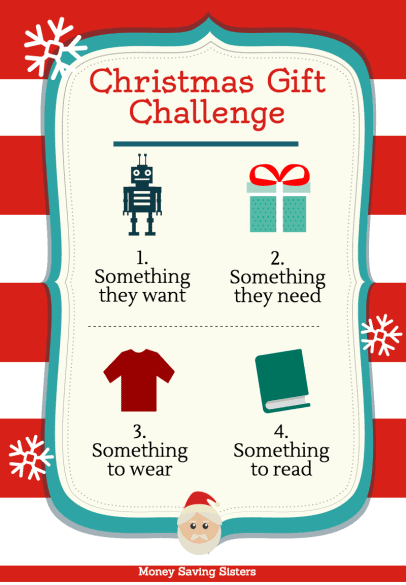
Finding affordable yet meaningful gifts doesn’t have to feel daunting. Embracing creativity can lead to delightful surprises for your children without straining your budget.
DIY and Homemade Gifts
Homemade gifts carry a unique charm and sentiment. Engaging in a craft project together can result in cherished keepsakes that showcase personal effort and creativity. Consider items such as knitted scarves, painted picture frames, or homemade baked goods. These heartfelt gestures often mean more than store-bought gifts.
Experience-Based Gifts
Rather than opting for tangible items, consider giving experiences that create lasting memories. Whether it’s a day at the zoo, a local amusement park, or a fun craft workshop, experiences can be enjoyed together as a family. They often promote bonding and serve as reminders of joy long after the holiday season ends.
Subscription Services
Subscription boxes can open the door to continuous excitement. Choose services that cater to your child’s interests, such as monthly book deliveries, STEM activity kits, or art supplies. Depending on your budget, opt for shorter subscriptions that allow your child to explore new hobbies without overwhelming expense.
Second-Hand Treasures
Thrift stores, garage sales, and online marketplaces can be gold mines for gently used toys, books, and clothes. Not only can you find unique items for a fraction of retail prices, but you also instill the value of sustainability in your children. Make treasure-hunting a family event, teaching them the joy of discovery.
By exploring these creative and affordable gift ideas, you can showcase thoughtfulness and ingenuity while staying within your budget.
Avoiding Overspending: Tips for Managing Christmas Gift Expenses

Staying within budget during the holiday season requires discipline and strategic planning. Here are some effective methods to help ensure you don’t overspend on Christmas gifts.
Implementing a Shopping Strategy
Before hitting the stores, create a shopping strategy that outlines your planned purchases. Stick to your pre-established gift list and avoid impulse buys. By outlining your objectives ahead of time, you minimize the temptation to stray from your budget during the hustle and bustle of the shopping season.
Use Cash Instead of Credit Cards
Using cash instead of credit cards helps you visualize your spending limits and avoid falling into debt. Withdraw the budgeted amount for Christmas gifts, and once it’s gone, resist the urge to purchase additional items. This method encourages mindful spending and allows you to stay focused on your financial goals.
Keep Track of Expenses
Documenting every gift purchase will give you insight into your spending habits throughout the holiday season. Maintain a simple spreadsheet or notebook listing each child’s gifts and corresponding expenses. Regularly review your totals to ensure you’re on track and adjust your spending if needed.
Set Up a “Gift Fund”
To prepare for future Christmases, consider establishing a dedicated savings account for holiday spending. Contributing small amounts year-round can spread the financial burden and eliminate last-minute scramble. This proactive approach can reduce stress and provide peace of mind as the festive season approaches.
By adopting these practical tips, you can navigate the holiday rush with confidence while ensuring that your Christmas gift expenses remain manageable.
Teaching Children About Money and Gift-Giving

Educating children about money management and the value of gift-giving is essential in nurturing responsible adults. The holiday season provides a perfect platform to introduce these important lessons.
Initiate Discussions About Money Management
Engage your children in conversations about budgeting, saving, and spending wisely. Use relatable scenarios—like explaining the difference between wants and needs—during pre-holiday discussions. By communicating the significance of money management, you empower children to make informed decisions.
Encourage Participation in Gift Planning
Involving children in the gift-planning process nurtures a sense of responsibility. Allowing them to contribute ideas for gifts they would like to give to others cultivates empathy and generosity. Help them brainstorm thoughtful presents for family members, teaching them that gift-giving is about expressing care rather than merely capitalizing on trends.
Showcase the Joy of Giving Back
Encourage children to participate in charitable activities during the holiday season. Involve them in selecting a charity to support or organizing a toy drive. Highlighting the importance of giving back enriches their understanding of the true spirit of Christmas and helps cultivate compassion.
By integrating these teachings into your holiday traditions, you will equip your children with valuable financial literacy skills that can last a lifetime.
The Impact of Christmas Gift Spending on Family Finances

While the joy of giving can be exhilarating, it’s essential to recognize the potential impact of Christmas gift spending on your family’s overall financial health. Striking a balance between festive cheer and financial prudence is vital to ensure a harmonious holiday season.
Long-Term Financial Implications
Overspending during the holidays can quickly spiral into debt if not managed properly. It’s crucial to assess how your spending choices today may affect your financial situation in the months ahead. An unplanned expense during Christmas may leave lingering consequences that impact everyday life, such as higher credit card bills or depleted savings.
Creating Financial Freedom Through Responsible Spending
Being mindful of your Christmas gift budget sets the tone for responsible financial habits throughout the year. Adopting a cautious approach to holiday spending fosters a culture of financial awareness within the family. This attitude encourages everyone to prioritize needs over wants, paving the way for increased financial freedom in the long run.
Emphasizing Quality Over Quantity
Rather than fixating on the sheer volume of gifts, shifting your focus to quality can yield more meaningful experiences. By prioritizing sentimental value over monetary value, you ensure that your children grow to appreciate the thought behind each gift rather than viewing the holiday solely through a lens of consumerism.
By understanding the impact of Christmas gift spending on family finances, you enable your family to cultivate a healthier relationship with money while preserving the magic of the holiday season.
Conclusion
Determining how much to spend on Christmas gifts per child is a deeply personal decision that requires thoughtful consideration of numerous factors. By setting a realistic budget, prioritizing meaningful gifts, and fostering a spirit of generosity and gratitude within your family, you can navigate this season with joy and financial prudence.
Ultimately, the most precious gifts of Christmas are not the ones wrapped in shiny paper but rather the moments spent together, the love shared, and the memories created. By focusing on these values, you can cultivate a holiday season that resonates with the true spirit of Christmas, enriching the lives of your children and your family for years to come.
