
No products in the cart.
New
Cozy Up with a Fringe-tastic Fleece Blanket A Step-by-Step Guide
19
Sep
Sep
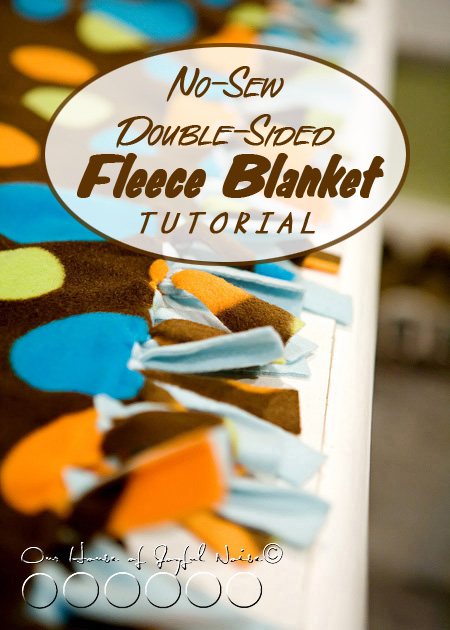
Fleece blankets are already incredibly cozy and versatile, but adding a fringe element takes them to a whole new level of warmth and charm. Whether you’re looking for a unique handmade gift, a stylish addition to your living room, or a project to unleash your creativity, making a fringed fleece blanket is a rewarding and surprisingly simple undertaking. This comprehensive guide will walk you through the entire process, from choosing the perfect materials to creating a stunning, personalized fringe.
Choosing the Perfect Fleece for Your Fringed Blanket
Selecting the right fleece fabric is key to ensuring that your finished blanket is as cozy and appealing as possible. The variety of colors, patterns, and textures available can make this decision both exciting and overwhelming.
Choosing the Right Weight for Your Needs
Fleece comes in a range of weights, which typically affects its warmth and drape. For instance, lightweight fleece is excellent for summer evenings when you need just a little extra warmth without overheating. Conversely, heavier fleece is ideal for winter months; it wraps you up snugly and provides an enveloping comfort that’s hard to resist.
When deciding on the weight, consider who will be using the blanket and where it will primarily be used. If the blanket is intended for outdoor events or chilly nights by the fireplace, a heavier fleece is advisable. On the other hand, if it’s meant for a child’s comfort during summer sleepovers, lightweight options may suffice.
Exploring Colors and Patterns
The creative possibilities are endless when it comes to selecting colors and patterns. You might want to choose a solid color for a classic look or opt for prints featuring whimsical designs, geometric shapes, or floral motifs. If you have specific decor in mind, try to match the blanket’s colors to existing furnishings or themes.
Patchwork blankets made from various fleece scraps can also tell a story, showcasing different aspects of your personality or experiences. Mixing and matching fabrics can create a visually striking piece, blending different textures and colors harmoniously while providing a unique expression of artistry.
Finding Sustainable Options
In today’s world, sustainability is a consideration that many crafters take into account. Look for eco-friendly fleece options that are made from recycled materials. Many manufacturers now offer fleece made from plastic bottles, giving you the opportunity to create something beautiful while minimizing environmental impact.
Additionally, if you’re already a crafter with leftover fleece scraps from previous projects, consider incorporating those into your fringed blanket design. Not only would this be a great way to reduce waste, but it can also lend itself to a one-of-a-kind creation.
Preparing Your Fleece Fabric for Fringe Creation

After selecting the perfect fleece, the next step involves preparing your fabric. Proper preparation ensures that your fleece is ready to withstand the crafting process and ultimately results in a higher-quality finished product.
Washing and Drying Your Fleece
Before diving into the fun part of crafting, washing your fleece is essential. This pre-wash helps prevent shrinkage after your blanket is complete, which is crucial for maintaining the size and integrity of your work. Be sure to follow the care instructions on the fleece fabric label, as different types may have varying washing requirements.
Once washed, dry the fleece thoroughly. This step is vital because damp fabric can lead to uneven cuts and hinder the folding required for creating the fringe. Make sure it’s completely dry before moving on to cutting and measuring.
Trimming Any Excess
By the time the fleece is dry, you can check for any imperfections like loose threads or uneven edges. Trim away any excess material to ensure a clean edge. This attention to detail will pay off later, resulting in a more polished appearance for your blanket.
If you desire an even more refined look, consider finishing the edges, although fleece naturally resists fraying. This could involve serging or sewing a simple straight stitch along the perimeter. It’s not absolutely necessary, but it does add a touch of professionalism to your crafting.
Preparing Your Workspace
A clutter-free workspace enhances creativity and efficiency. Gather all your tools—scissors, measuring tape, pins, and sewing machines (if using)—and arrange them within easy reach. Clear a flat surface for cutting your fleece and laying out your blanket. Having everything organized reduces frustration and allows you to focus solely on the crafting process.
Cutting and Measuring for Consistent Fringe

With your fleece ready, it’s time to cut and measure for fringe. Accurate measurements and consistent cuts are crucial for achieving uniformity throughout your blanket’s fringe.
Measuring Your Fleece Dimensions
Begin by determining the desired size of your blanket. Standard throw blankets typically measure about 50 x 60 inches, but feel free to customize this based on personal preference. Use a measuring tape to mark the dimensions on your fleece, employing chalk or fabric markers for visibility. These guidelines will serve as a roadmap for your cutting.
Cutting Strips for Your Fringe
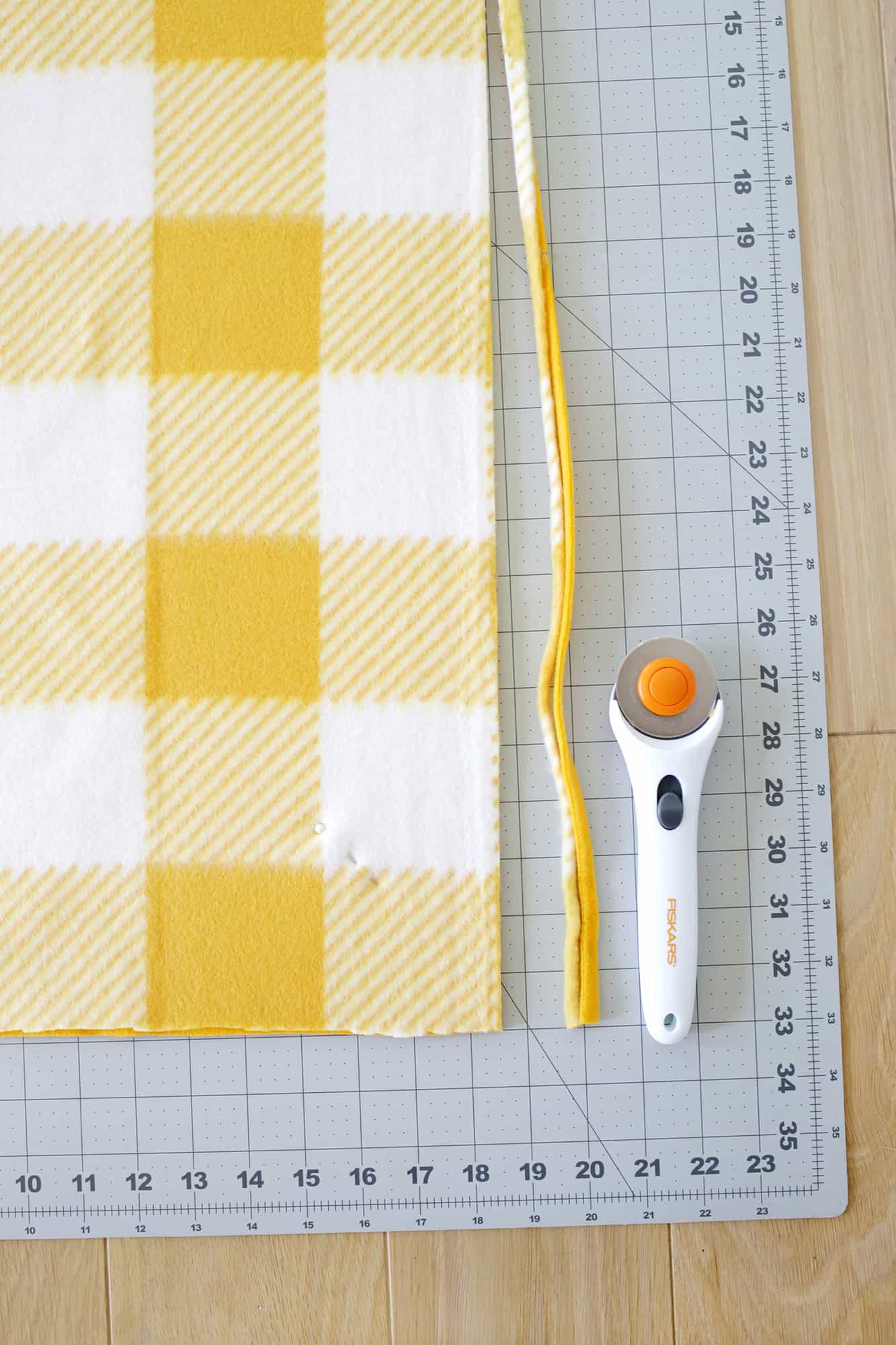
When it comes to creating the fringe, you’ll need to cut strips along the edges of the blanket. Each strip should generally be between 1-2 inches wide, depending on how bold you want the fringe to be.
For accuracy, fold the edge of the fleece under about ½ inch before cutting. This creates a neater fringe appearance and also helps reduce fraying over time. Utilize a ruler for precise measurement, ensuring each strip is cut evenly. A rotary cutter can be beneficial for larger projects, speeding up the cutting process while maintaining uniformity.
Creating Alignment
As you cut, keep an eye on alignment to maintain a balanced appearance. A well-measured fringe looks intentional and thoughtful. Ensure each strip remains at a consistent length to avoid uneven fringe, which can detract from the overall aesthetic.
Don’t hesitate to make small adjustments to your cuts if needed; it’s better to take the extra time to achieve perfection than to rush and end up with a mismatched result.
Creating Even and Uniform Fringe on Your Blanket
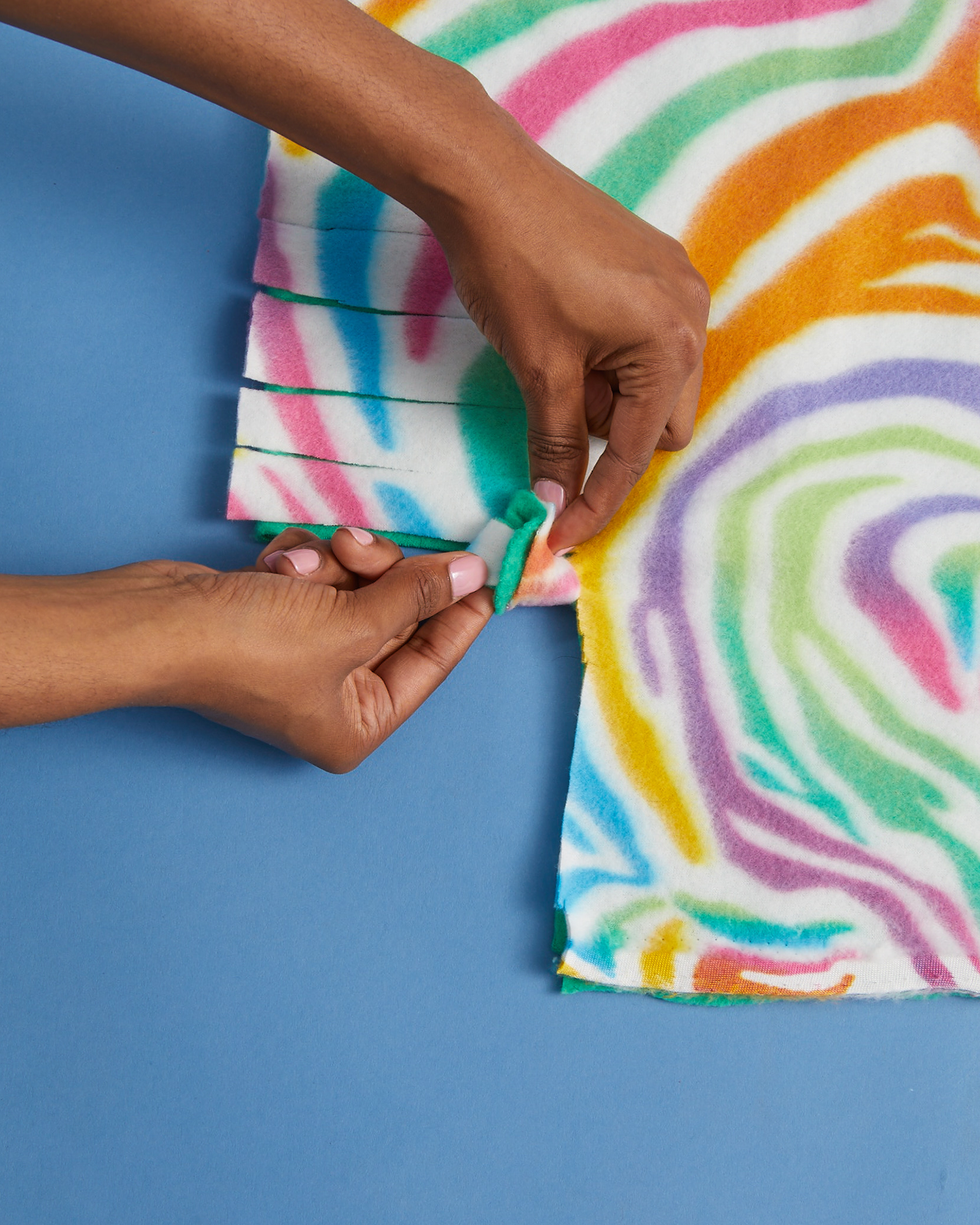
Now that your fleece is cut and measured, it’s time to create the fringe itself. The method you choose can significantly impact the visual appeal of your blanket.
Classic Fleece Fringe Technique
One popular method for creating fringe is the classic technique, which involves tying knots with strips of fleece. Start by taking two strips of fleece from your pre-cut fringe, aligning them neatly so their ends meet. Tie them together in a simple knot approximately ½ inch from the edge of the blanket. Continue this process along the entire edge, ensuring that knots are spaced consistently.
As you work, remember that consistency is key—aim for equal spacing and tightness in your knots. This method not only adds texture but also lends a playful aspect to your blanket that can be particularly appealing, especially for children’s blankets.
Using a Sewing Machine for Fringe
If you prefer a more polished look, using a sewing machine is a fantastic alternative. Instead of tying knots, you’ll sew fringe strips to the edge of your blanket. First, align the strips along the folded edge and use a zig-zag stitch to secure them in place. This method lends itself to a cleaner finish, and you can play around with decorative stitches to elevate the overall design.
Sewing your fringe can save time, especially if you’re working on larger projects. Additionally, you have the flexibility to experiment with how the fringe lays against the blanket, offering you greater creative control over your final outcome.
Yarn and Ribbon Alternatives
For those looking to break away from traditional fleece fringe, incorporating yarn or ribbon can yield an intriguing effect. Cut lengths of yarn or ribbon into equal pieces, then attach them similarly to the fleece strips, either by sewing or tying.
Using different textures can add depth and character to your blanket. Mixing colors and styles allows you to personalize your fringe further, making it uniquely yours. When using yarn, consider the effects of thickness and material—a chunky yarn can create a cozy, rustic vibe, while delicate ribbons can lend a romantic touch.
Securing the Fringe: Preventing Unraveling

At this stage, you’ll want to ensure that your fringe remains securely attached to the blanket. Taking steps to prevent unraveling is imperative for a long-lasting and durable finish.
Knotting Technique for Security
When creating the fringe using the classic method, make sure that each knot is tied tightly. Loose knots risk coming undone over time, leading to an unkempt appearance. As you work, periodically double-check that your knots are firm and secure.
Incorporating a final knot at the end of your fringe can provide an additional layer of security. Once you’ve completed the fringe around the entire blanket, go back and reinforce the knots if necessary.
Sewing for Added Durability
If sewing your fringe, consider reinforcing the seam with a second pass of stitching, running another line just below your first. This added layer helps ensure that your fringe holds up to wear and tear, making it resilient enough for everyday use.
Utilizing interfacing can also strengthen the area where the fringe attaches to the blanket. By placing a piece of fusible interfacing behind the seam, you create a sturdy foundation that will help support the fringe over time.
Inspecting Your Work
After completing the attachment of the fringe, take the time to inspect your work thoroughly. Pull gently on the fringe to test its durability and ensure that it’s securely fastened. Any loose areas should be addressed immediately; it’s much easier to fix problems at this stage than to wait until after washing or use.
Finishing Touches: Trimming and Shaping the Fringe
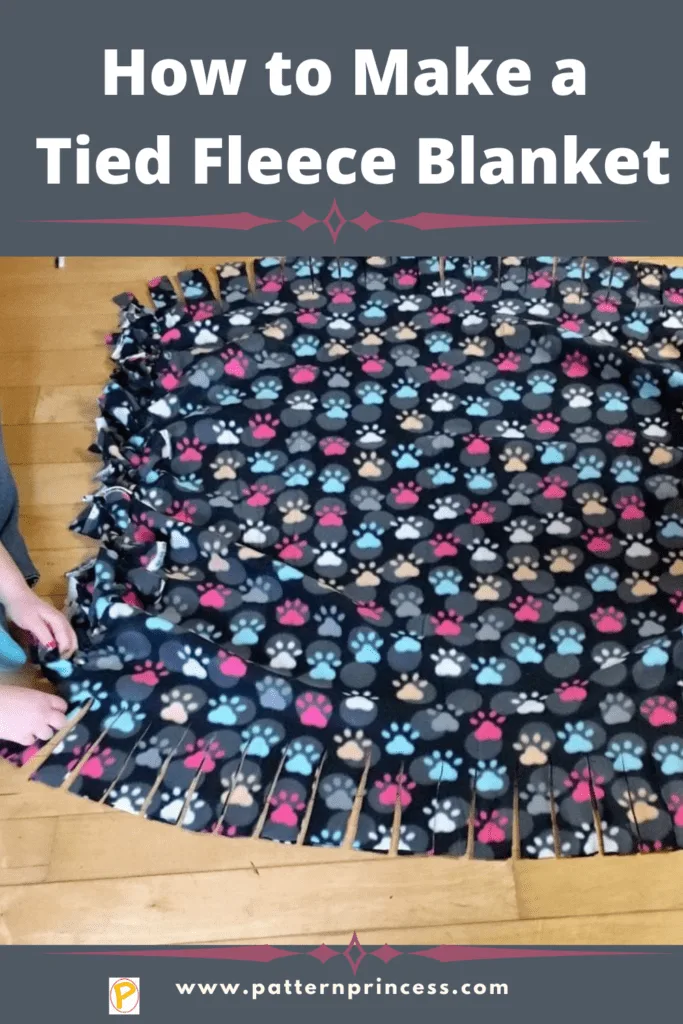
With the fringe securely in place, it’s time to add the finishing touches that will elevate your blanket’s appearance. Trimming and shaping will not only enhance its visual appeal but also give it a polished, professional look.
Trimming to Achieve Uniform Length
Using a good pair of fabric scissors, carefully trim any uneven strands of fringe. Consistency in length is crucial; aim for a uniform look that enhances the overall design of your blanket. Consider laying the blanket flat and inspecting it from multiple angles to identify any discrepancies in length.
While trimming, think about the style you want to achieve. A straight-across cut will deliver a classic look, while creating layers by leaving some strands longer can lend a more whimsical flair.
Shaping for Character
Beyond simple trimming, you can also shape your fringe to reflect your artistic vision. For instance, creating a layered effect where some strips are shorter than others can infuse a dynamic quality into the fringe. This approach works especially well if you’re mixing colors or textures, as it draws the eye and adds interest.
Alternatively, you might want to consider tapering the fringe gradually from longer strands to shorter ones, which can create a soft, flowing appearance. Experimenting with these techniques will allow you to find what resonates with you personally.
Cleaning Up Any Loose Ends
Lastly, inspect your blanket for any stray threads or loose ends that may have accumulated during the crafting process. A quick run-through with scissors can tidy up your blanket and prepare it for washing. Ensuring your blanket looks immaculate will enhance pride in your work and make it an attractive addition to your home.
Adding a Decorative Element to Your Fringe

After completing the main body of your blanket and the fringe, consider enhancing its visual appeal through decorative elements. Adding embellishments can transform a simple blanket into a work of art.
Embroidery as a Personal Touch
Adding embroidery to your blanket can provide a completely custom look. Consider stitching initials, a favorite quote, or even fun symbols that resonate with you or the recipient of the gift. Choose thread colors that complement the fleece and the fringe to create a cohesive design.
Embroidery can be applied to any area of the blanket, including the corners or along the fringe itself. The beauty of this medium is in its versatility—you can adjust the complexity based on your skill level and the time you have available.
Patches for a Fun Flair
Another engaging option is to incorporate patches into your design. Patches come in various forms, including decorative, functional, or even sentimental pieces that hold meaning. Consider selecting patches that reflect a hobby, an important life event, or simply fun graphics that brighten your space.
Attaching patches is straightforward; they can be sewn on using a simple running stitch or secured with a fabric adhesive for ease. Getting creative with placement—such as strategically dotting patches across the blanket—can add personality and charm.
Using Ribbons for Additional Texture
You can also weave ribbons throughout the fringe for an extra layer of texture. This can be achieved by simply threading the ribbon through the knots or attaching it alongside the fleece strips.
Choose ribbons in contrasting colors or patterns to create visual interest, or select complementary tones for a more subdued effect. Whatever your choice, ribbons provide an opportunity for experimentation, allowing you to develop a unique aesthetic that suits your tastes.
Washing and Caring for Your Fringed Fleece Blanket

Once your beautiful fringed fleece blanket is complete, proper care is crucial to ensure its longevity and functionality. Understanding how to wash and store your creation will keep it looking fresh and vibrant.
Gentle Washing Instructions
To preserve the integrity of your blanket, wash it gently. Most fleece fabrics can be machine-washed on a delicate cycle with cold water and mild detergent. Always refer to the specific care instructions on your fleece fabric label for guidance.
Avoid harsh chemicals and bleach, as these can damage the fibers and cause discoloration. If you’ve added embroidered elements or patches, consider placing the blanket in a laundry bag to protect them during washing.
Drying Techniques
When it comes to drying, tumble dry your blanket on low heat or hang it to air dry. High heat can jeopardize the integrity of the fleece and may lead to shrinkage. Air drying is a gentle method that preserves both the fabric and any embellishments you’ve added.
If you choose to tumble dry, remove the blanket while it’s still slightly damp to avoid static cling and wrinkles. Shake it out gently and lay it flat to complete drying if necessary. This careful approach ensures your fringe maintains its beautiful shape and avoids becoming matted or tangled.
Storing for Longevity
When not in use, store your fringed fleece blanket properly to prolong its lifespan. Keep it in a cool, dry place away from direct sunlight, as UV rays can fade colors over time. Folding the blanket neatly helps maintain its shape and prevents creasing.
Consider wrapping it in cotton fabric or a breathable storage bag to protect it from dust and potential damage. Avoid plastic bags, as they can trap moisture and lead to mildew growth.
Creative Variations and Fringe Designs
Having established a solid foundation for making a fringed fleece blanket, it’s time to explore variations that can take your blanket to another level. With creativity, you can adapt the basic techniques to suit your unique style and preferences.
Double-Sided Fleece Blankets
Creating a reversible blanket using contrasting fleece fabrics is an innovative way to cultivate versatility. Select two fabrics that complement each other and cut them to the same dimensions. Secure the edges together, ensuring that the fringe is created on both sides.
This not only provides a stunning visual impact but also offers the practical benefit of having two blanket styles in one. One side can be casual and playful, while the reverse can be elegant, allowing you to change the look of your space with ease.
Braid Your Fringe
For a twist on traditional fringe, consider braiding your strips instead of tying them. This technique adds a unique texture and visual interest, making your blanket stand out. Braiding can be done with fleece, yarn, or ribbon—experiment with various combinations to find what reflects your style best.
To braid effectively, gather three strips of material and tie them at one end. Braid them loosely, securing the end with a knot when finished. Attach the braided segments to the edge of the blanket to create a delightful and sophisticated fringe.
Layered Fringe
Layering your fringe can create a delightful dimensional effect. Consider cutting fringe strips in varying lengths and layering them on top of one another. This approach can give the appearance of cascading waves, adding depth and movement to your design.
Experiment with different colors and textures within these layers to amplify the visual intrigue. Layered fringe can be particularly charming on children’s blankets or whimsical-themed creations, adding a playful spirit to your projects.
Inspiring Ideas and Projects Using Fringed Fleece Blankets
Beyond standard throws, there are numerous innovative ways to utilize your fringed fleece blankets. Here are just a few ideas to inspire your next project:
Fringed Pillow Covers
Transform the concept of your fringed fleece blanket into coordinating pillow covers! Create covers that match your blanket, using similar colors, patterns, or even leftover fleece scraps. This practice enhances cohesiveness in your space while offering an easy way to incorporate your crafting into décor.
Fringed Pet Beds
Your furry friends deserve cozy spaces too! Consider creating a fringed fleece pet bed that complements your blanket. Simply sew or tie down a large piece of fleece, creating a comfortable resting spot for your pet. They’ll love snuggling into the softness of fleece, and it’s a cute addition to your home.
Fringed Baby Blankets
For a heartfelt gift, consider crafting a fringed baby blanket. Infants cherish the warmth and comfort of fleece, making it an excellent choice for baby gifts. Use soft pastels or cheerful prints, and don’t hesitate to add embroidered names or dates for an extra special touch.
Fringed Costumes
If you’re feeling particularly crafty, consider utilizing fleece and fringe to create costumes or accessories for themed parties or holidays. From hoods to capes, the versatility of fleece combined with the fun of fringe can lead to adorable and imaginative projects.
Conclusion
Making a fringed fleece blanket is a fulfilling project that allows you to unleash your creativity and build a truly unique and cozy piece. By following this guide and incorporating your personal touch, you can craft a blanket that will provide warmth and joy for years to come.
Whether you decide to gift it to a loved one or keep it for yourself, pouring effort and heart into every step of the process will yield a cherished item. From selecting the perfect fleece to exploring creative variations, the journey of crafting your fringed fleece blanket not only produces a functional object but also delivers profound satisfaction of embracing your artistic inclinations.
So roll up your sleeves, gather your materials, and embark on this cozy adventure. Let your imagination flow freely, and enjoy the process of turning ordinary fleece into an extraordinary fringed masterpiece!
