
No products in the cart.
New
Mastering the Art of Christmas Gift Wrapping A Comprehensive Guide
19
Sep
Sep
The festive season is upon us, and with it comes the joyous task of gift-giving. While the sentiment behind a present is undoubtedly the most important aspect, the act of wrapping it adds a layer of anticipation and excitement. A beautifully wrapped gift can transform an ordinary present into a magical experience, making the recipient feel truly cherished and special. However, gift wrapping can seem daunting, especially if you’re not naturally inclined towards crafting or design. Fear not! This comprehensive guide will walk you through every step of the process, from choosing the right materials to mastering intricate techniques, ensuring your Christmas gifts are not only thoughtfully chosen but also exquisitely presented.
Choosing the Right Wrapping Paper and Supplies
Selecting the appropriate wrapping paper and supplies sets the foundation for creating a stunning presentation. It’s essential to consider the recipient’s personality, the nature of the gift, and the overall theme of your holiday celebrations.
Types of Gift Wrap
When it comes to choosing gift wrap, the options are nearly endless. From traditional patterns featuring Santa Claus and snowflakes to modern minimalist styles in solid colors or geometric prints, each choice conveys a different message about the gift inside.
Traditional gift wrap often incorporates festive colors such as red, green, and gold, embodying the warmth and cheer of the season. On the other hand, modern designs can infuse a fresh perspective into gift-giving, appealing to recipients who appreciate contemporary art and design.
In addition to aesthetic appeal, practicality should also guide your selection. If the gift is unusually shaped or heavy, sturdier materials may be necessary to ensure that the wrapping holds its form.
Sustainable Options
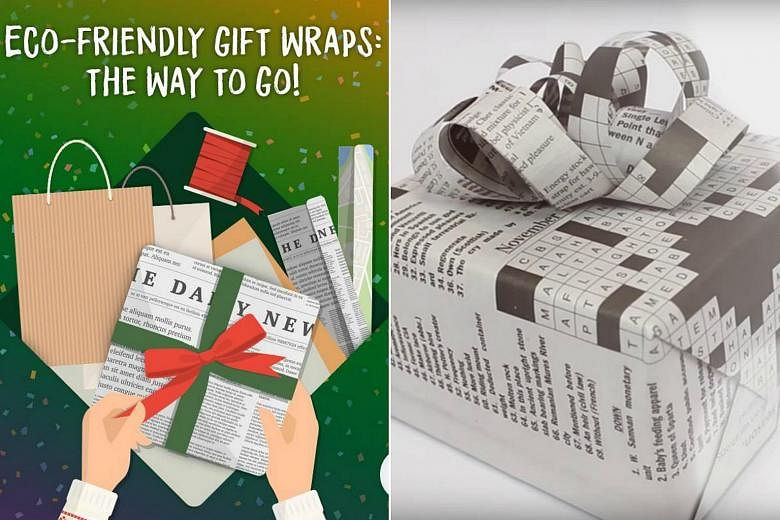
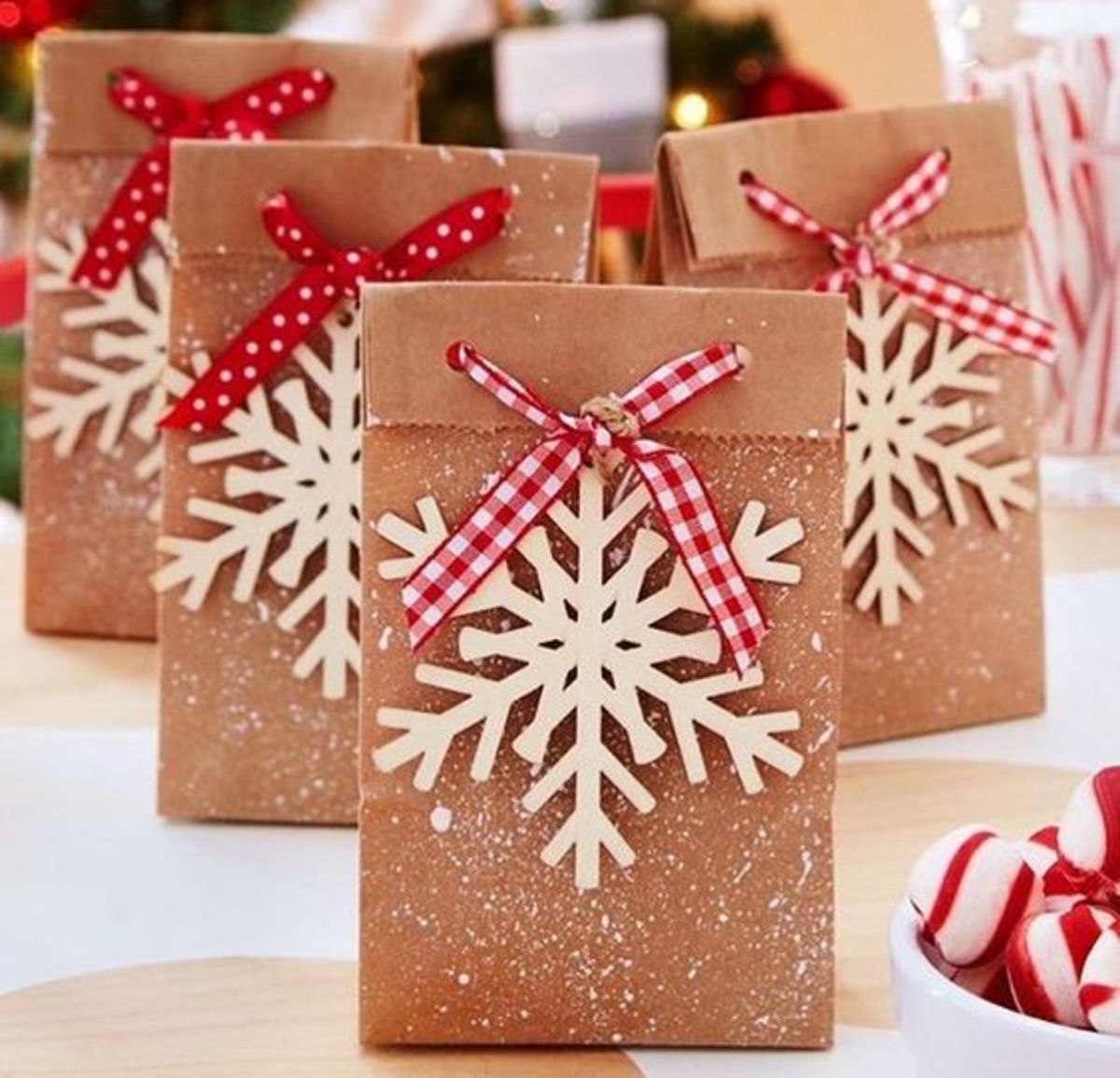
As environmental consciousness rises, many people are opting for sustainable wrapping solutions. Recycled wrapping paper, brown kraft paper, and fabric gift wraps are becoming increasingly popular alternatives.
Brown kraft paper, for example, provides a rustic charm that can be customized with stamps or drawings, allowing you to add personal flair while minimizing waste.
Consider pairing eco-friendly wrapping with natural decorations—think twine, dried flowers, or even fresh sprigs of pine—to create an earthy yet elegant look.
Essential Supplies
Beyond wrapping paper, gathering all necessary supplies before starting enhances the wrapping experience. In addition to scissors and various types of tape (double-sided, clear, or decorative washi tape), you’ll need ribbons, string, and gift tags.
Choosing these elements wisely can significantly impact the final look of your gift. For instance, a simple white ribbon can create an elegant touch on vibrant wrapping paper, while a bold, patterned ribbon might stand out against more subdued colors.
Measuring and Cutting Wrapping Paper Accurately
Once you’ve selected your wrapping materials, the next step is preparing to cut and measure accurately, ensuring a clean and polished finish. The technique used here can make the difference between a professional-looking package and one that appears haphazardly thrown together.
The Importance of Precision
Measuring accurately helps eliminate excess paper that leads to bulky corners and uneven edges. Lay your wrapping paper flat on a table or floor, positioning the gift so that it’s easy to visualize how much paper you’ll need to cover all sides.
To avoid any guesswork, it’s helpful to add a few extra inches to your measurements to allow for folds and flaps. When wrapping gifts, precision is key, as this creates clean lines that enhance the overall appearance.
Cutting Techniques
Using sharp scissors is paramount when cutting wrapping paper. Dull scissors can fray the edges, resulting in a messy visual. Start at the edge of your roll, gently guiding the scissors in a straight line along the paper.
If you’re unsure about your cutting skills, practice on scrap paper first. Over time, you’ll develop a steady hand that delivers consistent results.
Keeping it Organized
A tidy workspace not only improves productivity but also contributes to the quality of your wrapping. As you cut your paper, keep your supplies organized and close at hand. This prevents unnecessary distractions and helps maintain focus on the task at hand.
Creating a Neat and Secure Fold for Gift Wrap

With your gift wrapped in beautifully measured paper, the next challenge is folding the edges neatly. Proper folding techniques can elevate your wrapping game, making even the simplest gifts look exquisite.
Mastering the Basics of Folding
Start by positioning your gift in the center of the wrapping paper. Bring one side of the paper over to secure the gift, followed by the other side—overlapping slightly to ensure full coverage. It’s essential to create crisp creases, which can be easily achieved by running your fingers along the edge of the fold.
After securing the sides, tackle the top and bottom folds. Fold up the bottom section of the paper and tuck the edge under the gift slightly before securing it with tape. When folding down the top flap, aim for a clean seal, maintaining that polished look you’re striving for.
Utilizing Double-Sided Tape
Double-sided tape is a valuable asset in achieving neat folds. This type of tape adheres securely without leaving visible residue on the outside, allowing for a sleek finish. Use double-sided tape to secure the edges where they meet and improve the overall symmetry of your gift.
Ensuring Stability
Finally, after completing the folds, take a moment to inspect your work. Make sure the don’t have any loose edges or bulges on the paper. A well-wrapped gift should feel stable, without any risk of the paper slipping off or revealing the contents inside.
Mastering the Art of Ribbon and Bow Tying
Ribbons and bows play a vital role in enhancing the visual appeal of wrapped gifts. With the right techniques, you can create stunning embellishments that complement your wrapping style.
Selecting the Perfect Ribbon
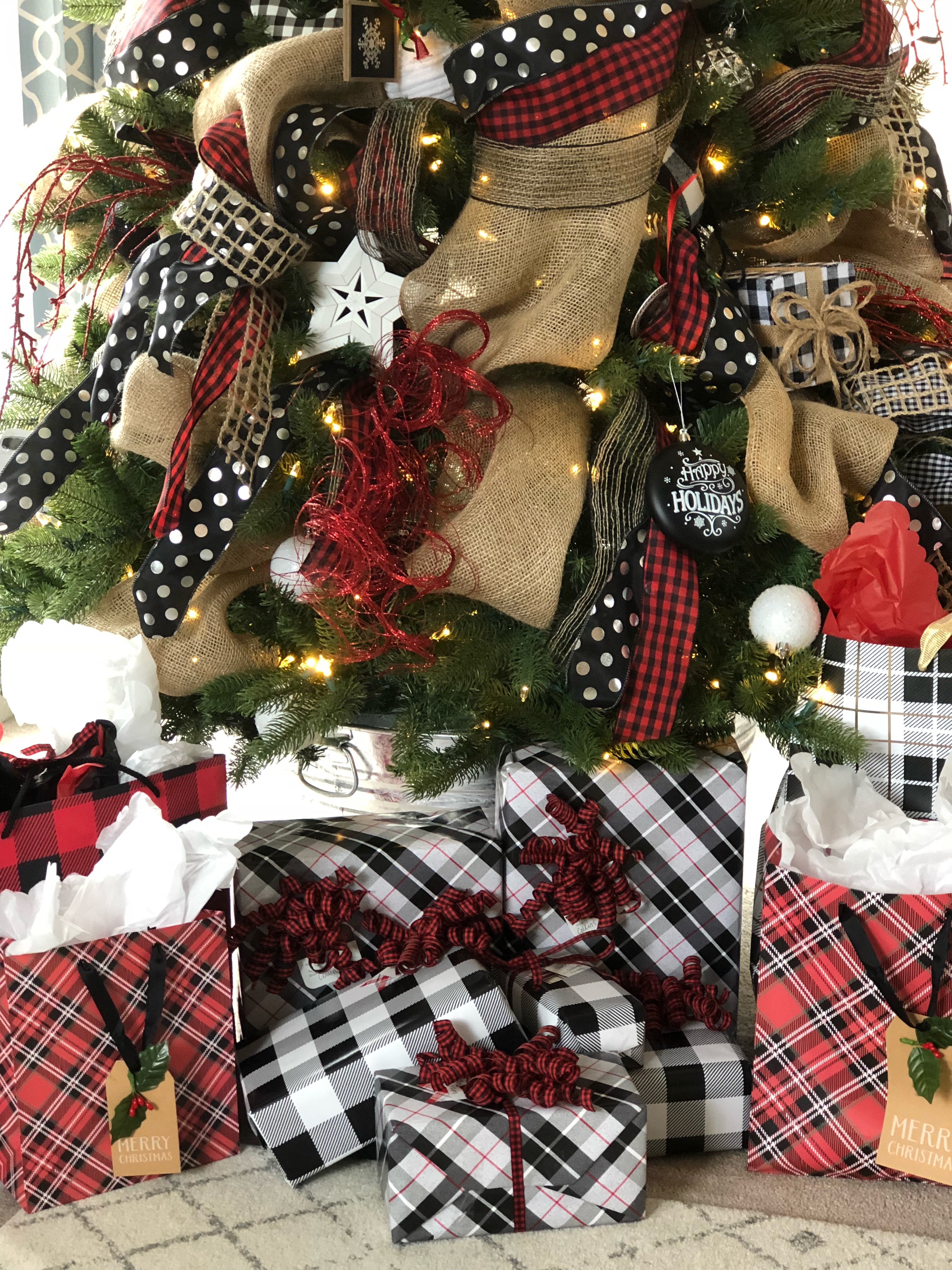
When selecting ribbons, consider both color and texture. Vibrant colors can add a festive pop, while metallic or satin finishes create a touch of elegance. Natural fibers like burlap or twine offer a rustic feel that pairs beautifully with eco-friendly wrapping choices.
Consider the scale of your ribbon as well. A wide ribbon can make a bold statement, while delicate, narrower ribbons can lend a subtle accent to your gift.
Bow Tying Techniques
Creating a beautiful bow may seem intimidating, but with practice, you can master several techniques. One simple method involves making two loops with the ribbon, crossing them over each other to create a knot in the center.
For a more intricate bow, try the “bunny ears” technique, where you create two loops that resemble bunny ears and tie them together. This method allows for greater control over the size and shape of your bow.
Adding Finishing Touches
Once you’ve tied your bow, fluff it up to give it volume and dimension. Adjust the loops so they sit evenly, ensuring the aesthetic is pleasing from all angles. You may also choose to add embellishments to your bow, such as small ornaments or sprigs of greenery, to enhance its visual interest.
Adding Decorative Touches: Gift Tags & Embellishments
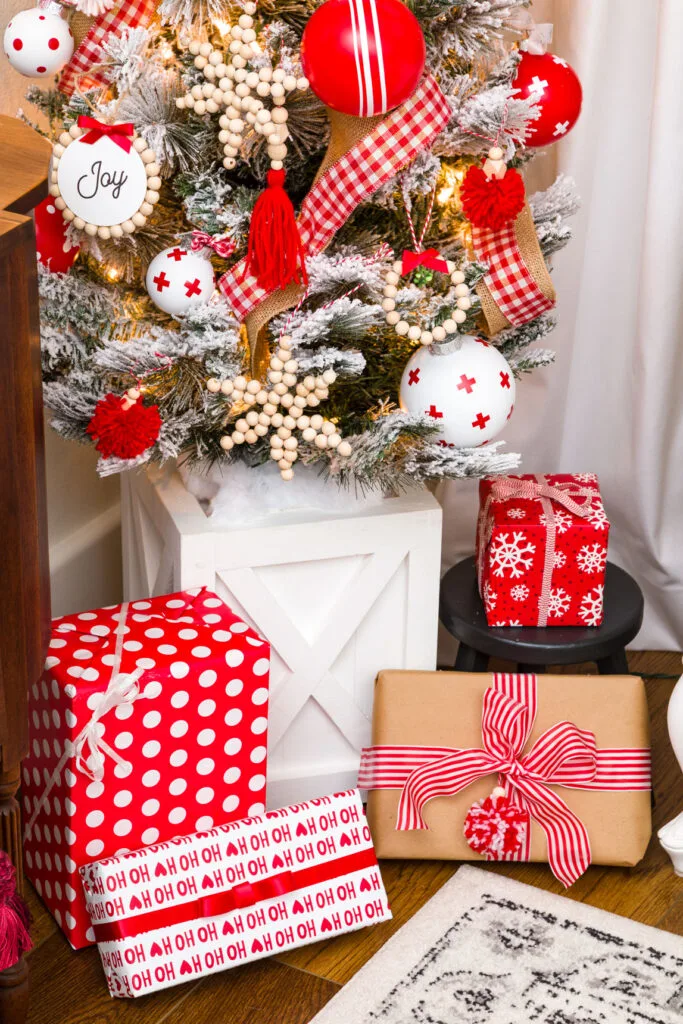
Personalizing your gifts with decorative touches can elevate their significance and showcase the thoughtfulness behind your gesture. Gift tags and embellishments provide an excellent opportunity to express your creativity and customize your packaging further.
The Art of Gift Tag Creation
Gift tags serve as a delightful way to convey messages to the recipient. These can be pre-purchased or handmade using cardstock and decorative materials like ribbon, stickers, or stamps.
When crafting your tag, consider including the recipient’s name, a heartfelt message, and a festive illustration or pattern. Handwritten notes always add a personal touch that recipients will cherish.
Using Embellishments for Impact
Beyond gift tags, embellishments add layers of creativity to your wrapping. Consider incorporating natural elements, such as pine cones, dried citrus slices, or sprigs of evergreen. This not only enhances aesthetics but also adds a sensory component to your gift, evoking the scents and feelings of the holiday season.
Decorative tape, such as washi tape, can also be used creatively to create borders, stripes, or unique shapes on your wrapping. Layering textures with various tapes will add depth to your presentation.
Crafting Memorable Experiences
Remember that the experience of receiving a gift begins long before the recipient tears open the wrapping. By investing time in creating unique decorative touches, you create a memorable moment that showcases your love and care.
Wrapping Oddly Shaped Gifts with Ease

While rectangular gifts are relatively straightforward to wrap, odd-shaped gifts can pose a challenge. However, with the right techniques, you can tackle these uniquely shaped items confidently.
Creative Solutions for Cylindrical Gifts
Cylindrical gifts, like candles or mugs, require a different wrapping strategy than traditional boxes. Begin by laying the wrapping paper flat, then place the gift in the center. Roll the paper around the gift, ensuring the edges overlap neatly.
Secure the ends with tape and gather the excess paper at the top, tying it off with a ribbon for a whimsical finishing touch. This approach gives the gift a fun, inviting appearance while keeping it secure.
Handling Round or Spherical Gifts
For round or spherical gifts, use larger pieces of wrapping paper. Position the gift in the center and gather the edges of the paper around it. Once secured, you can tie the gathered paper with a decorative ribbon or twine, creating an attractive presentation that captures attention.
Wrapping Irregularly Shaped Items
When faced with gifts that have irregular shapes, consider using gift boxes. Place the item inside a box that fits snugly, then proceed to wrap the box as you would a standard rectangular gift. This method simplifies the process and ensures that the item remains protected during transit.
Tips for Wrapping Fragile Items Safely
When wrapping fragile items, special care must be taken to ensure they arrive in perfect condition. Understanding how to protect these delicate treasures is crucial for successful gift-giving.
Preparing the Item for Wrapping
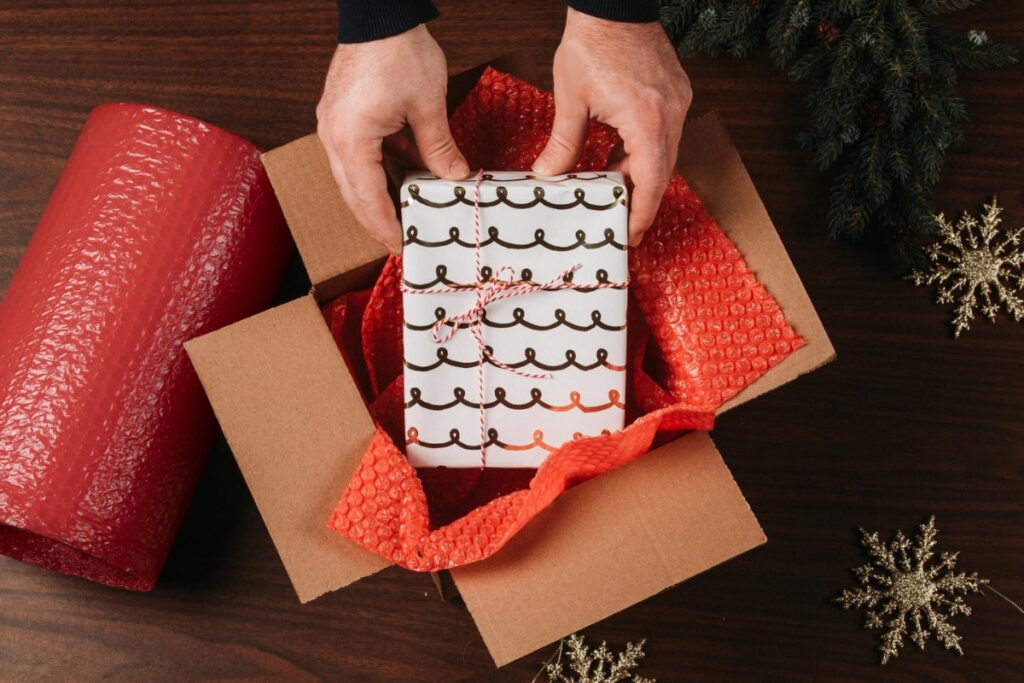
Before wrapping fragile items, assess their vulnerability. Cleaning the item thoroughly removes dust or smudges that could transfer onto the wrapping. For glass or ceramic objects, always consider wrapping them in bubble wrap or tissue paper for added protection.
When handling fragile items, take extra precautions to avoid damage. Be gentle during the wrapping process, and consider using a sturdy gift box to create a protective barrier.
Cushioning and Securing
In addition to wrapping fragile items in protective material, consider adding cushioning within the gift box. Crumpled tissue paper, packing peanuts, or shredded paper can help stabilize and absorb any potential movement during transport.
Once the gift is securely packed, follow up with additional wrapping techniques to ensure everything stays intact. If you’re using a box, make sure it shuts tightly, sealing any openings with tape for reinforcement.
Managing Expectations
Finally, communicate with the recipient about the fragility of the gift. While you want to surprise them with the unwrapping experience, letting them know they’re dealing with something delicate can prompt caution. This awareness will help manage their expectations and protect your precious gift.
Eco-Friendly Gift Wrapping Alternatives

As we become more conscious of our environmental footprint, exploring sustainable gift-wrapping alternatives is vital. Eco-friendly practices not only demonstrate your commitment to the planet but also inspire creativity in your wrapping choices.
Utilizing Recyclable Materials
One of the simplest ways to embrace eco-friendliness is by opting for recyclable wrapping materials. Brown kraft paper, newspaper, and old maps are affordable alternatives that can be repurposed creatively.
To add flair to these basic materials, consider using stamps, stencils, or colored markers to personalize the wrapping. Layers of creativity can transform what might otherwise be deemed mundane into charming works of art.
Embracing Fabric Wraps
Another sustainable option is using fabric, such as scarves or reusable fabric gift wraps. This approach not only minimizes waste but also offers recipients a secondary gift that they can cherish and use long after the holidays.
Fabric wraps can be tied in various knots or bows, adding a lovely, tactile element to your presents. Additionally, they come in an array of colors and patterns that can fit any occasion.
Avoiding Non-Recyclable Elements
When wrapping gifts, it’s crucial to avoid non-recyclable materials, such as plastic wraps, shiny foil papers, or excessive amounts of tape. Instead, opt for biodegradable products and reusable decorations.
By embracing sustainable practices, you contribute positively to the environment while inspiring others to follow suit.
Storing and Organizing Wrapping Paper for Future Use
Once the holiday season winds down, taking proper steps to store wrapping supplies can extend their longevity and maintain organization for future occasions.
Creating a Designated Space
Establish a dedicated area for your wrapping supplies within your home. This can be a closet, drawer, or even a repurposed basket that keeps materials contained and accessible. Having everything in one spot reduces the stress of searching for supplies next time.
Techniques for Paper Storage
To prevent wrinkling or tearing, consider storing wrapping paper rolls vertically in a container or basket. Alternatively, flat drawers or filing cabinets can accommodate larger sheets by laying them flat.
For ribbons and embellishments, utilize small bins or jars to keep everything organized. Labeling these containers makes it easier to find exactly what you need at a glance.
Seasonal Cleanup
After Christmas, take time to assess your supply inventory. Discard any damaged or unusable items, and restock as necessary. Keeping your supplies in great condition ensures that you’re always prepared for future gift-giving occasions.
Creative Gift Wrapping Ideas for Every Occasion

As we explore various techniques and supplies for wrapping, there’s endless inspiration to draw from. Creativity in gift-wrapping can turn an ordinary present into an extraordinary delight, regardless of the occasion.
Themed Wrapping
Consider coordinating your wrapping with the theme of the event. For instance, bridal showers can feature pastel colors and floral patterns, while birthdays may call for bright, festive designs.
Using themed elements throughout enhances the overall experience, transforming gifting into an artistic expression that resonates with the recipient.
Interactive Wrapping
For children’s gifts, consider wrapping them in a way that encourages interaction. Incorporate fun elements like scratch-off stickers that reveal hints about the gift inside or puzzles that must be solved to unlock the surprise.
This interactive component adds joy and excitement, captivating young minds while building anticipation.
Mixed Media Approaches
Embrace mixed media wrapping by combining various materials and techniques. Pair fabric with paper, use recycled items, or incorporate natural elements for a visually intriguing effect. The layering of different textures will create a uniquely wrapped gift that stands out.
Conclusion
Gift wrapping is an art form that allows you to express your creativity and enhance the joy of gift-giving. By learning how to wrap Christmas gifts, mastering the basic techniques, and experimenting with decorative elements, you can transform your presents into stunning visual masterpieces.
This holiday season, let your creativity flow, embrace the spirit of giving, and remember that a beautifully wrapped gift is a testament to the love and care you have for the recipient. Whether you choose traditional methods or innovative approaches, your thoughtful presentation will undoubtedly bring joy and warmth to the hearts of your loved ones. Happy wrapping!
