
No products in the cart.
New
Stretching Your Paint by Number Canvas A Guide to a Professional Finish

19
Sep
Sep
Paint by number kits have taken the world by storm, offering an enjoyable way for individuals of all ages to engage their creativity and produce stunning artwork. However, many enthusiasts find that the flimsy nature of the rolled canvases detracts from the beauty of their finished pieces. To elevate your art project, learning how to stretch a paint by number canvas is essential. This guide will take you through the entire process, ensuring that your painting not only looks impressive but also stands the test of time.
Preparing Your Paint by Number Canvas for Stretching
Before you dive into stretching your canvas, it’s vital to prepare it adequately. Proper preparation can significantly enhance the final result, giving you a flawless surface on which to display your masterpiece.
First, unroll your paint by number canvas carefully. As it’s been rolled, there might be some creases or wrinkles that need addressing. Lay it flat on a clean, dry surface to help it regain its shape. By allowing the canvas to rest flat for a while, you minimize any potential issues related to wrinkles when it’s time to stretch it.
Next, inspect the canvas thoroughly for any areas that may seem uneven or improperly printed. Sometimes, the paint-by-number sections can overlap slightly or be misaligned. Taking the time to correct these imperfections before you begin stretching will save you from headaches later on, especially when it comes to painting those intricate details accurately.
Lastly, consider using a damp cloth to wipe down your canvas. Even if it appears clean, dust or debris can interfere with paint adherence and overall finish. Ensuring that your canvas is free from impurities will provide a smoother surface and a more professional outcome once painted.
Understanding Material Flexibility
Understanding the material of your paint by number canvas is essential in preparing it for stretching. These canvases are typically made of cotton or a cotton-linen blend, both of which are lightweight, flexible, and receptive to paint. However, flexibility also means they can wrinkle easily, especially after being rolled up.
This inherent quality of the material signifies that when you stretch it, you need to apply just the right amount of tension. Too much tension can lead to tearing, while too little can result in sagging. Take note of the feel of your canvas; understanding its properties will guide you in determining how taut to pull it as you attach it to the frame.
Cleaning and Drying
Once you’ve laid your canvas flat and inspected it for any imperfections, it’s crucial to ensure that it’s absolutely clean. Use a soft, damp cloth to wipe away any dust particles that may have accumulated during storage. After cleaning, allow your canvas to dry completely. Water can affect the paint application later, so wait until it’s thoroughly dry before proceeding.
Taking these preliminary steps will set you up for success and give you greater control over the stretching process, leading to a beautiful final piece that reflects your hard work and creativity.
Choosing the Right Stretching Frame for Your Canvas
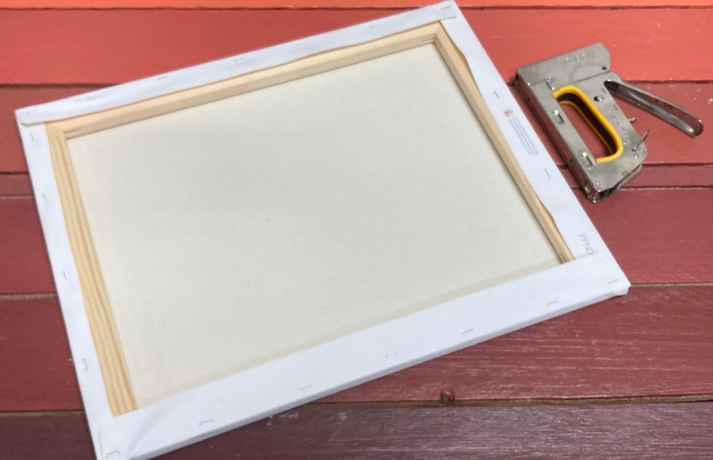
The next step in the process of learning how to stretch a paint by number canvas is selecting the appropriate stretching frame. The frame you choose affects not only the integrity of your stretched canvas but also the visual appeal of your completed artwork.
Stretcher bars come in various materials, sizes, and profiles, meaning you have options to best suit your canvas dimensions and weight. Generally, wooden stretcher bars made from pine or spruce are the most widely used. They strike a balance between strength and affordability, making them ideal for hobbyists as well as seasoned artists.
When it comes to size, measure your canvas width and length to determine the appropriate size for your frame. It’s paramount that your stretcher bars match the dimensions of your canvas precisely. If your canvas is slightly oversized, trimming it will likely be necessary to ensure a proper fit.
Considering the Profile Depth
Profile depth refers to how thick the stretcher bars are. For typical paint by number canvases, a profile of 1.5 inches or 2 inches is generally sufficient. Deeper profiles can provide enhanced support for larger or heavier canvases, although they may not be essential for smaller projects.
A deeper profile creates a more pronounced gallery-style appearance, which can add to the overall aesthetic of your finished painting. If you aim for a professional look, considering how deep your profile needs to be will be beneficial in achieving that goal.
Pre-assembled vs. DIY Frames
Choosing between pre-assembled frames and DIY options presents another consideration. Pre-assembled frames offer convenience, and they arrive ready for use, minimizing potential assembly errors. Alternatively, opting for a DIY approach allows for customization, letting you select the exact dimensions and profile that suit your artistic vision.
If you do choose to build your own frame, ensure that each corner forms a perfect right angle. This attention to detail ensures that your canvas lies flat against the frame without warping or skewing. Whether you prefer a pre-assembled frame or a DIY method, choosing the right frame is pivotal for achieving a polished and professional-looking final product.
Gathering Necessary Tools and Materials

With the right frame selected, you now need to gather essential tools and materials for the stretching process. Having everything ready ahead of time streamlines your efforts and minimizes interruptions.
Stretcher Bars
As mentioned earlier, stretcher bars are fundamental to the stretching process. Ensure that you have high-quality wooden bars that fit the dimensions of your canvas perfectly. If you’re unsure about the quality of the wood, opt for kiln-dried options, which are less likely to warp over time.
Staple Gun or Canvas Pliers
Deciding whether to use a staple gun or canvas pliers to secure your canvas is crucial. A staple gun is efficient and works quickly, but it requires a steady hand and practice to avoid damaging the canvas. On the other hand, canvas pliers provide a more traditional approach and enable precise stretching, ideal for beginners who may not yet have the confidence to use a staple gun effectively.
Either tool has its advantages, so base your choice on your comfort level and the size of your canvas. If you’re working on a large project, a staple gun may expedite the process, while smaller pieces may benefit from the careful precision of canvas pliers.
Additional Supplies
In addition to your main tools, consider gathering a utility knife or scissors for trimming excess canvas, a tape measure or ruler for accurate measurements, a pencil or marker for marking alignment points, and a rubber mallet or hammer should you need to adjust your stretcher bars into place.
Having all these materials at your disposal makes the stretching process more seamless and enjoyable. You’ll feel more empowered and organized as you embark on transforming your paint by number canvas into an artwork worthy of display.
Attaching the Canvas to the Stretching Frame: Step-by-Step
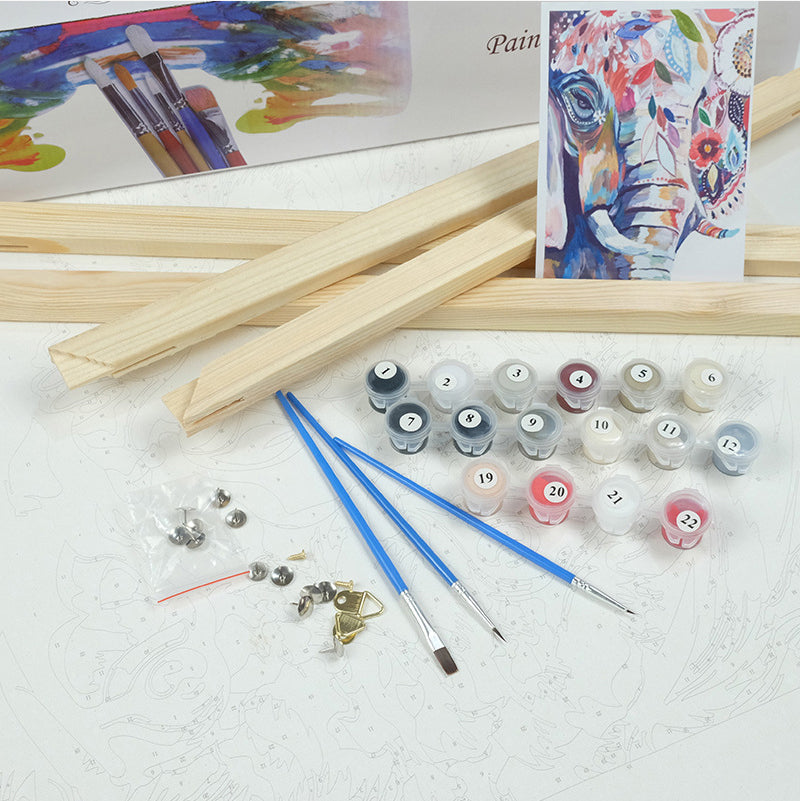
Now that you’ve assembled your tools and prepared your canvas, it’s time to dive into the exciting part: attaching the canvas to the stretching frame. Follow this step-by-step guide to ensure you achieve the best possible results.
Laying Out the Frame
Begin by laying out your stretcher bars on a flat, stable surface. Make sure they align properly to create a square or rectangular shape. If you’re using pre-made frames, this step is straightforward. However, if you’re assembling your own, refer to the instructions provided with the stretcher bars.
Once everything is aligned, ensure the corners are squared perfectly. This is vital because any skewed angles will prevent the canvas from lying flat and could cause undesirable warping.
Centering and Aligning the Canvas
Next, you’ll want to center your paint by number canvas on the stretcher frame. Measure and mark the center points of both the length and width of the frame. Then, align the center of the canvas with these marks. With this alignment, you can maintain symmetry as you proceed.
It’s essential to keep the canvas taut throughout this process. You don’t want it loose at any point, as the final result will suffer from wrinkles or sagging.
Securing the Canvas at the First Corner
Start securing the canvas at one corner. Wrap the edge of the canvas around the stretcher bar and gently fold it over. Depending on the thickness of your canvas, you may want to fold it over twice for added stability.
If using a staple gun, position the first staple just beyond the edge of the stretcher bar, firing the staple gun with controlled pressure. Be cautious not to damage the stretcher bar itself. If you’re opting for canvas pliers, follow the manufacturer’s instructions for applying the correct tension as you secure the first corner.
Working Your Way Around the Frame
Once the first corner is secure, move to the opposite corner of the canvas. Maintain consistent tension as you stretch the canvas across the frame. By moving diagonally, you distribute the tension evenly throughout the canvas.
After securing the opposite corner, work along the remaining two sides, continuously checking to ensure that the canvas remains taut. Pay attention to ensure that no part of the canvas buckles or sags, and readjust as necessary.
Final Touches
Once all corners are secured, assess your canvas for any remaining wrinkles or sagging. Carefully adjust the tension as needed to eliminate any imperfections.
After achieving a satisfactory stretch, use a utility knife or scissors to trim excess canvas around the sides of the stretcher frame. Lastly, clean the frame with a damp cloth to remove any stray staples or debris, leaving you with a pristine surface ready for painting.
Staple Gun Techniques for a Secure and Even Stretch

Using a staple gun effectively is an art in itself, and mastering its nuances can dramatically improve your results when learning how to stretch a paint by number canvas. Here are some techniques to ensure a secure and even stretch.
Loading the Staple Gun Correctly
One common issue with staple guns arises from improper loading. When loading the staples, ensure they fit securely in the magazine without stacking or jamming. Familiarize yourself with your particular model; reading the manufacturer’s guidelines can prevent common pitfalls.
Testing the staple gun on a scrap piece of canvas can also help you gauge the correct pressure needed to fire staples without ripping the fabric. Finding this sweet spot is crucial in ensuring a smooth and even application.
Applying Consistent Pressure
When using a staple gun, applying consistent pressure is key. As you fire each staple, aim for a relaxed and steady hand rather than forcing the trigger with too much pressure. Overzealous action may drive the staple too deeply or cause it to bend, creating more work for you later.
Take your time with each staple and monitor how the canvas reacts during attachment. If it feels too tight or starts to tear, you may need to release some tension or reposition your grip.
Maintaining Even Tension Throughout
Maintaining even tension while stapling is vital to achieving a professional finish. Start by securing the corners, then alternate sides, gradually moving towards the center of the canvas.
Always check the tautness of the canvas as you go along. If one side feels noticeably looser than the others, readjust accordingly. This approach helps avoid unsightly wrinkles or uneven surfaces and guarantees a captivating final product.
Troubleshooting Common Stretching Issues
Even with a well-executed stretching process, a few common issues can arise. Understanding these problems and knowing how to address them will save you time and frustration, improving your experience as you learn how to stretch a paint by number canvas.
Uneven Tension
Uneven tension is one of the most frequent complaints among canvas-stretchers. If you notice that certain areas of your canvas are wrinkled or sagging, it is often a sign that the tension wasn’t applied evenly throughout the stretching process.
To address this issue, use a staple remover to release the affected area and readjust the canvas. Tug gently on the canvas at the problem area while re-stapling to achieve a more balanced distribution of tension. Keeping a close eye on all four sides as you work will help prevent these inconsistencies.
Canvas Rips or Tears
Rips or tears in the canvas can occur, especially when using a staple gun. If this happens, don’t panic! Minor tears can often be repaired using a canvas patch kit or a small piece of fabric. First, clean the area around the tear, then apply a patch with adhesive or stitching.
For larger rips, consider seeking professional restoration services unless you feel equipped to tackle the repair yourself. In either case, prevention is better than cure, so practicing gentle handling of the canvas and careful use of the staple gun will mitigate such risks.
Skewing or Warping of the Frame
If your stretched canvas appears skewed or warped, the issue typically lies with the stretcher frame itself. Double-check that each corner is a perfect right angle and that all corners are aligned correctly.
Should you find that the frame isn’t square, use a rubber mallet or hammer to make minor adjustments. Tapping lightly can help realign any misaligned bars. The goal is to establish a perfectly square frame before proceeding with stretching, as this foundational element will dictate the overall integrity of your canvas.
Tips for Achieving a Perfectly Flat and Smooth Canvas

Achieving a perfectly flat and smooth canvas is the hallmark of a professional finish. Here are some valuable tips for reaching that level of excellence as you learn how to stretch a paint by number canvas.
Use Gesso for Surface Preparation
Applying a layer of gesso or acrylic primer on your stretched canvas can significantly enhance its surface. Gesso serves as a preparatory coating, filling in any minor imperfections and providing a smooth base for paint application.
After stretching your canvas, consider applying one or two coats of gesso, allowing adequate drying time in between. Not only does this create a professional texture, but it also enriches the vibrancy of your paints, resulting in stunning color payoff.
Monitor Humidity and Temperature
Humidity and temperature can affect the stretching process and the longevity of your artwork. Ideally, you should work in a controlled environment where the humidity levels are moderate, as extreme changes can cause the canvas to expand or contract, leading to a warped final product.
Maintain a stable temperature and humidity level to keep your canvas taut post-stretching. If you live in an area with high humidity, consider using a dehumidifier while you work to safeguard your materials.
Regularly Inspect Your Canvas
Regular inspection of your stretched canvas is vital to maintaining its flatness over time. If any signs of sagging or wrinkling appear, address them promptly.
You may need to retighten the canvas if the stretcher bars have loosened (this can happen over time due to exposure to different environmental conditions). By staying vigilant, you can ensure your masterpiece retains its impeccable appearance.
Maintaining the Stretch and Longevity of Your Canvas
Once your paint by number canvas is stretched and beautifully painted, maintaining its integrity becomes essential. Here are some strategies to ensure your creation lasts for years to come.
Situating the Canvas Appropriately
Where you display your artwork can significantly impact its longevity. Avoid placing your stretched canvas in direct sunlight, as UV rays can fade colors over time. Instead, opt for locations with filtered light or invest in UV-protective glass if you choose to frame your artwork.
Additionally, keep your canvas away from moisture-prone areas, as humidity can weaken the structure over time, potentially causing the canvas to sag or deteriorate.
Regular Maintenance
Regular maintenance involves cleaning and inspecting your artwork periodically. Use a soft, dry cloth to wipe off dust and dirt. Avoid harsh chemicals, which can damage the paint and canvas itself.
Every now and then, check the tension of your canvas. If any sagging occurs, retightening may be necessary. With a little care and attention, you can keep your artwork looking as vibrant and fresh as the day you completed it.
Using Varnish for Protection
Consider applying a coat of varnish once your painting is complete and fully dry. Varnishing protects the paint from dust, dirt, and fading, ensuring that your artwork remains stunning for years. Choose between glossy or matte finishes based on your personal preference.
Varnishing can also enhance the depth and richness of colors, providing a professional touch to your finished piece. Just remember to allow ample drying time before applying varnish for the best results.
Alternative Stretching Methods for Paint by Number Canvases
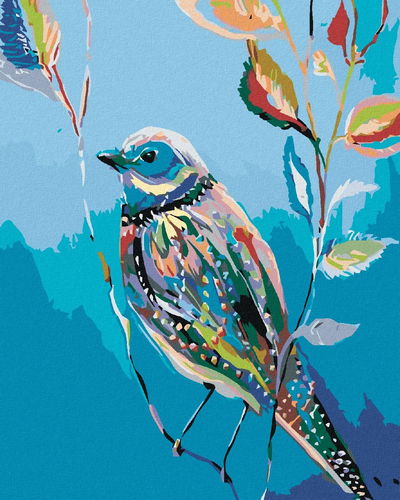
While the traditional method of stretching canvases has proven effective, exploring alternative stretching methods can yield unique results. These alternatives may cater to different preferences or specific artistic styles.
Tensioning Boards
Tensioning boards are a popular alternative that can be particularly useful for larger canvases. These boards are designed to hold the canvas firmly in place while still allowing for easy removal if necessary. By employing tensioning boards, you can adjust the canvas’s tautness at any time without needing to completely remove it from the frame.
This technique not only simplifies the stretching process but also grants flexibility and adaptability for future projects. If you change your mind about how you want to display your artwork, tensioning boards offer a simple solution.
Hinge Mounting
Hinge mounting allows for a non-destructive method of displaying canvases without permanent attachment. In this method, the canvas is attached using hinges, which enables easy removal for touch-ups or repairs.
This approach can particularly benefit artists who frequently adjust their work or have limited wall space. Rather than permanently committing to one arrangement, hinge mounting allows for versatility and experimentation with display orientation.
Snap Frames
Snap frames can also serve as a convenient alternative for displaying stretched canvases. Unlike traditional frames, snap frames allow for easy access to the canvas, enabling you to switch out artwork quickly.
This method is excellent for those who enjoy creating multiple paint by number pieces and would like to rotate their displays regularly without the hassle of removing and reframing each time.
Framing and Displaying Your Stretched Paint by Number Artwork
Once you’ve successfully stretched your canvas, the next step is to frame and display your artwork. Framing adds character and professionalism to your piece, enhancing its visual appeal.
Selecting the Right Frame
Choosing the right frame can have a significant impact on the final presentation of your stretched canvas. Factors to consider include color, material, and style. A frame that complements the colors in your artwork will elevate the overall effect and unify the piece within its surroundings.
Opt for frames that are robust enough to support the weight of your stretched canvas without overwhelming the artwork itself. Wooden frames provide warmth and elegance, while metal frames can offer a sleek, modern edge.
Hanging Techniques
Once your canvas is framed, it’s time to think about hanging it. A well-hung piece can draw attention and appreciation. Determine the best location for your artwork, taking into account factors such as lighting, surrounding decor, and sightlines within the room.
Use appropriate hanging hardware such as D-rings or sawtooth hangers for optimal support. Ensure that the weight of the framed canvas is adequately distributed across the wall to prevent any accidents or damage.
Thoughtful Arrangement
Consider arranging multiple canvases together to create a cohesive gallery wall effect. Play with spacing and alignment to find a blend that resonates with your individual style. Mixing different sizes and orientations can add dimension and intrigue to the display.
Remember to step back and assess how each piece interacts with the others. Sometimes, simple adjustments can make a profound difference in how your artwork is perceived.
Conclusion
Learning how to stretch a paint by number canvas may initially seem daunting, but with the right tools, materials, and techniques, it can transform your artwork into a professional-looking masterpiece. Each step – from preparing your canvas to framing and displaying it – plays a vital role in achieving that coveted gallery-worthy finish.
By following this comprehensive guide, you can not only create a stunning presentation of your paint by number artwork, but also develop skills that enhance your overall artistry. Remember to be patient and attentive to detail throughout the process. Embrace the journey, and soon you’ll find that stretching canvases becomes a rewarding and therapeutic endeavor, elevating your creative expressions to new heights. Happy painting!
