
No products in the cart.
New
How Much Fabric Do You Need for a Throw Blanket? A Comprehensive Guide
19
Sep
Sep
Throw blankets are more than just functional items; they embody comfort, warmth, and style. Whether draped elegantly over a couch or snuggled up with during a chilly evening, these cozy companions are perfect for any home. However, if you’re looking to create your own throw blanket, understanding how much fabric you need is crucial to the success of your project. In this comprehensive guide, we will explore the various factors that influence fabric requirements for throw blankets, provide calculating methods, and give you tips on maximizing fabric usage.
Determining the Right Fabric Yardage for a Throw Blanket
Before embarking on your sewing journey, it’s essential to establish the size and design of your throw blanket. This initial step directly influences how much fabric you’ll need.
Assessing Your Needs
Consider the intended use of your throw blanket.
Is it primarily for keeping warm on the couch, or will it serve as decorative bedding? The purpose will dictate the desired dimensions. For instance, if you envision using the blanket while lounging in front of a movie, a larger size would be beneficial. On the other hand, a throw meant for occasional use may require less fabric.
Space availability plays a vital role in your decision-making process, too.
Where will you store the blanket when not in use? If you’re limited on space, a smaller throw might be more practical. Lastly, reflect on your personal preferences regarding coverage and drape. Some may prefer a snug fit, while others enjoy having extra material to wrap around themselves.
Standard Dimensions for Throw Blankets
Typically, throw blankets come in standard sizes ranging from 50 x 60 inches to 70 x 90 inches. Knowing these dimensions can help guide your fabric calculations.
However, feel free to customize your blanket’s size to suit your aesthetic and needs. This tailored approach allows for unique designs that reflect your personal taste while ensuring functionality.
Seam Allowance Considerations
In addition to the basic blanket dimensions, don’t forget to factor in seam allowances. Standard seam allowances for throw blankets are generally around ½ inch.
This aspect is crucial for ensuring that your fabric pieces align correctly and maintain structural integrity after sewing. When you add the seam allowance to your chosen dimensions, you will have more accurate fabric yardage estimates.
Calculating Fabric Needs Based on Blanket Size and Design
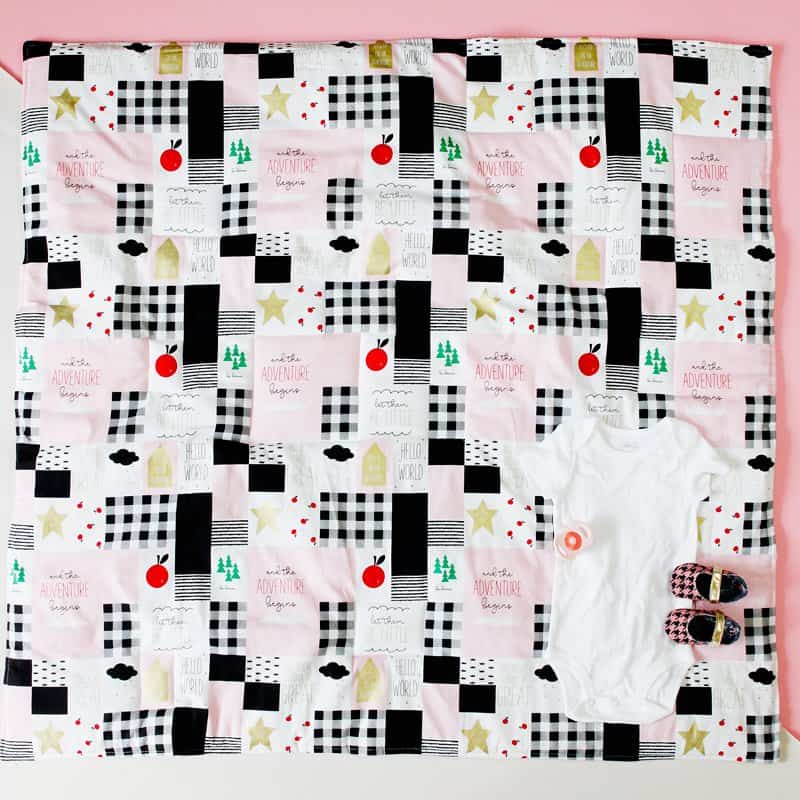
Different styles of throw blankets will affect how much fabric you need. Understanding these variations can make all the difference between a successful project and a frustrating experience.
Simple Rectangular Blanket Calculations
The simplest way to calculate fabric yardage is for a rectangular throw blanket. Here’s how to go about it:
First, determine your desired blanket dimensions — let’s say you’re aiming for a 50 x 60 throw. Next, add the necessary seam allowances of ½ inch to both the width and length. This results in altered dimensions of 51 x 61 inches.
Next, consider the fabric width. Fabric typically comes in widths of either 44 or 60 inches. In our example, we’ll assume a fabric width of 44 inches. By dividing the adjusted length (61) by the fabric width (44), you’ll find you need approximately 1.39 strips of fabric. Since you can’t purchase a fraction of a yard, round up to 2 strips.
Lastly, multiply the number of strips needed (2) by the altered blanket width (51). The total comes to 102 inches, which you then convert to yards by dividing by 36. This results in about 2.83 yards, which you should round up to 3 yards for purchasing convenience.
Complexities of Quilted Throw Blankets
When crafting a quilted throw blanket, you introduce additional layers: the top fabric, batting, and backing. Each layer will require separate calculations based on the finished size.
Start by determining your finished blanket size as described previously.
To account for potential shrinkage during quilting, add an extra 4-6 inches to both the width and length. Afterward, repeat the fabric calculations for each layer — ensure that you use the same fabric width throughout to keep everything aligned. This method ensures that all parts of your quilt contribute to an aesthetically pleasing final product.
Specialty Styles: Fringed Blankets
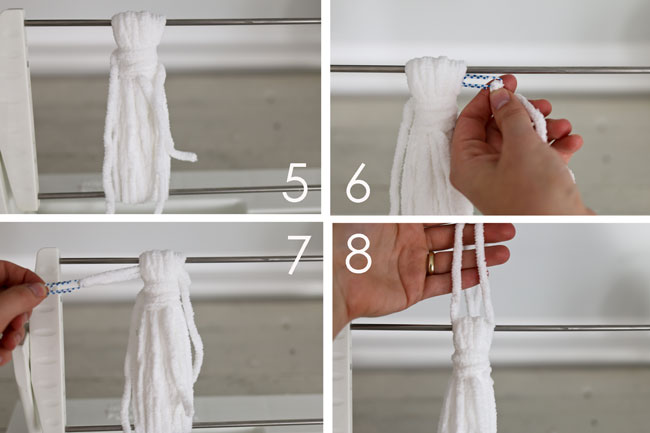
For those who want to add a bohemian flair to their throw blankets, fringes are an excellent choice. These stylish additions can complicate your fabric calculations, so be sure to measure accordingly.
Calculate the fabric yardage as if it were a simple rectangular blanket first.
Then, measure the desired fringe length, typically falling between 4 to 8 inches long. To estimate how much fabric you’ll need for the fringe specifically, a general rule is to multiply the fringe length by 3-4 times the blanket width. This calculation takes into account the added bulk of the fringe as well as the extra fabric needed for secure knots or attachments.
Understanding Fabric Width and Its Impact on Yardage
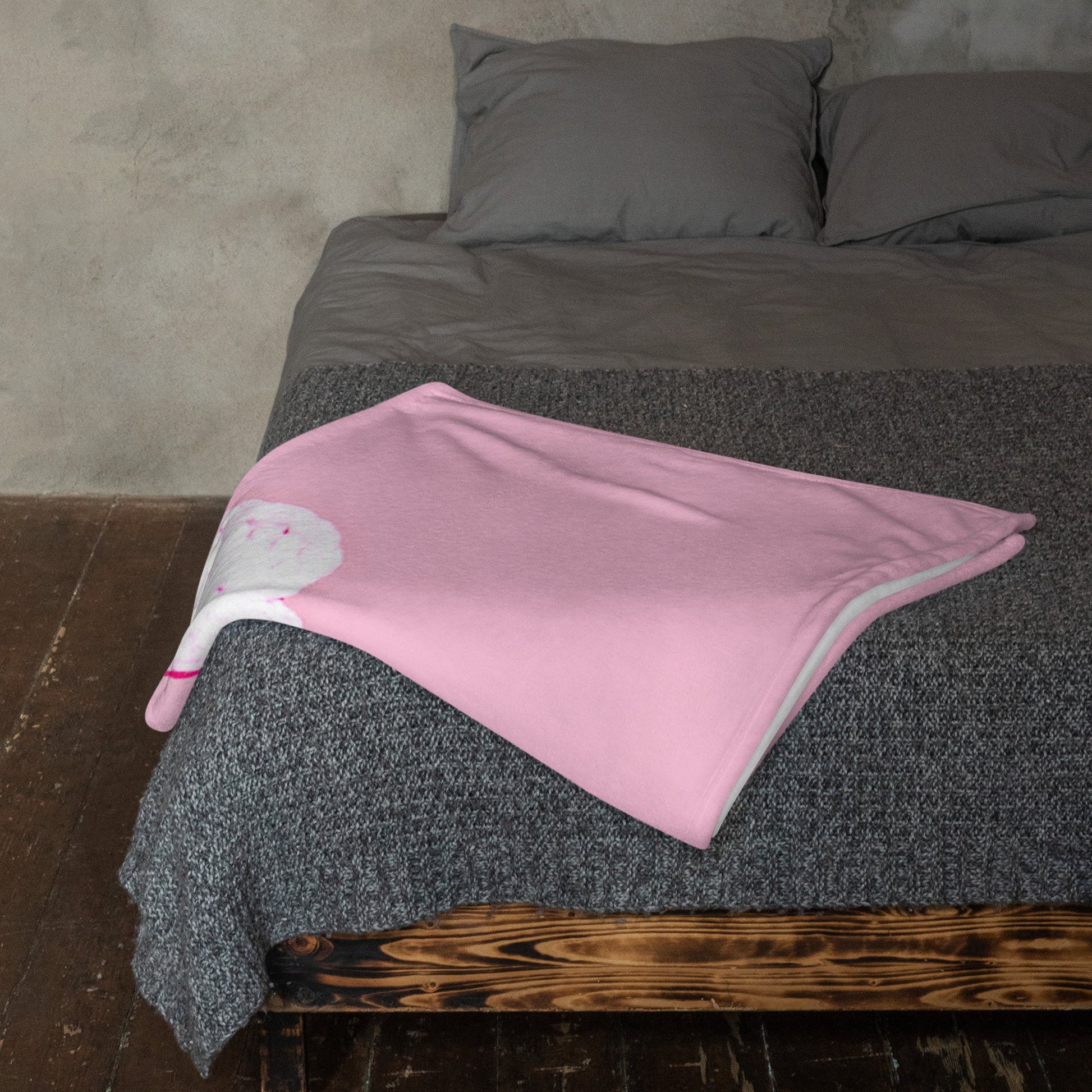
Fabric width is a significant factor in determining how much yardage you will need for your throw blanket.
Different fabrics come in varying widths, usually falling into categories such as 44 inches and 60 inches. Each width will offer different fabric yield capabilities, thereby affecting your overall calculations.
Evaluating Fabric Options
When selecting fabrics, consider the width in relation to your desired dimensions. Wider fabrics allow you to achieve larger blanket sizes without requiring multiple seams.
For instance, if you choose a 60-inch wide fabric for a 50 x 60 throw blanket, you may only need one strip of fabric instead of two, effectively reducing your total yardage needs.
Conversely, narrower fabrics may also require additional seams to form the same dimensions, thus increasing the amount of fabric you must purchase.
When planning your project, take time to evaluate available fabric widths and select one that aligns well with your intended blanket size.
Seam Placement and Alignment
Another critical consideration relates to seam placement and alignment.
Wider fabrics tend to facilitate seamless patterns and smoother designs. With narrower fabrics, however, you may face challenges in matching patterns or avoiding excess seams that could detract from the visual appeal. Choosing the right width ultimately contributes to both the aesthetic and functional aspects of your throw blanket.
Drape and Fabric Behavior
Understanding how different fabrics drape can also influence your total yardage. Lightweight fabrics may gather and fold more, necessitating additional fabric to achieve the desired fullness.
Conversely, heavier fabrics may lay flatter, enabling you to use less yardage to achieve a similar look. Always keep these behaviors in mind when selecting fabric types, as they significantly affect how much material you will ultimately need for your throw blanket.
Factors Influencing Fabric Requirements: Fringe, Seams, and Patterns
Several design elements can significantly impact the amount of fabric you need for your throw blanket. These include fringe, the number of seams, and fabric patterns.
The Role of Fringe
Adding fringe may seem like a minor adjustment, but it can dramatically change your fabric requirements.
Fringe not only requires extra fabric for its actual length but also increases the total amount needed to securely attach it to the blanket. Therefore, if you aim to incorporate fringe into your design, make sure to adjust your calculations accordingly.
Additionally, consider how the fringe will integrate with your chosen fabric pattern. If your fringe is made from a contrasting fabric, you’ll need to include additional yardage for that as well.
Seam Number and Placement
Seams can also play a vital role in your overall fabric calculations.
Multiple seams may require additional fabric for overlap or for securing corners and edges. If your design includes intricate seams or stitching details, factor in extra fabric beyond the basic calculations.
Understanding the complexity of your blanket design will help you to accurately assess the total fabric requirements.
Pattern Repeats and Matching
When working with patterned fabrics, understanding the concept of pattern repeats is crucial.
A pattern repeat is the distance between repeating elements in the fabric design. If you wish to match the pattern at the seams, you will need extra fabric to accommodate the repeat. This requirement is especially true for large-scale or directional prints, where proper orientation can drastically affect the final appearance of your blanket.
Failing to account for pattern repetitions may lead to mismatched seams and an unprofessional finish.
When selecting patterned fabrics, always take a moment to consider how your cutting layout will affect the pattern and whether additional yardage is needed for proper alignment.
Estimating Fabric for Different Throw Blanket Shapes and Styles
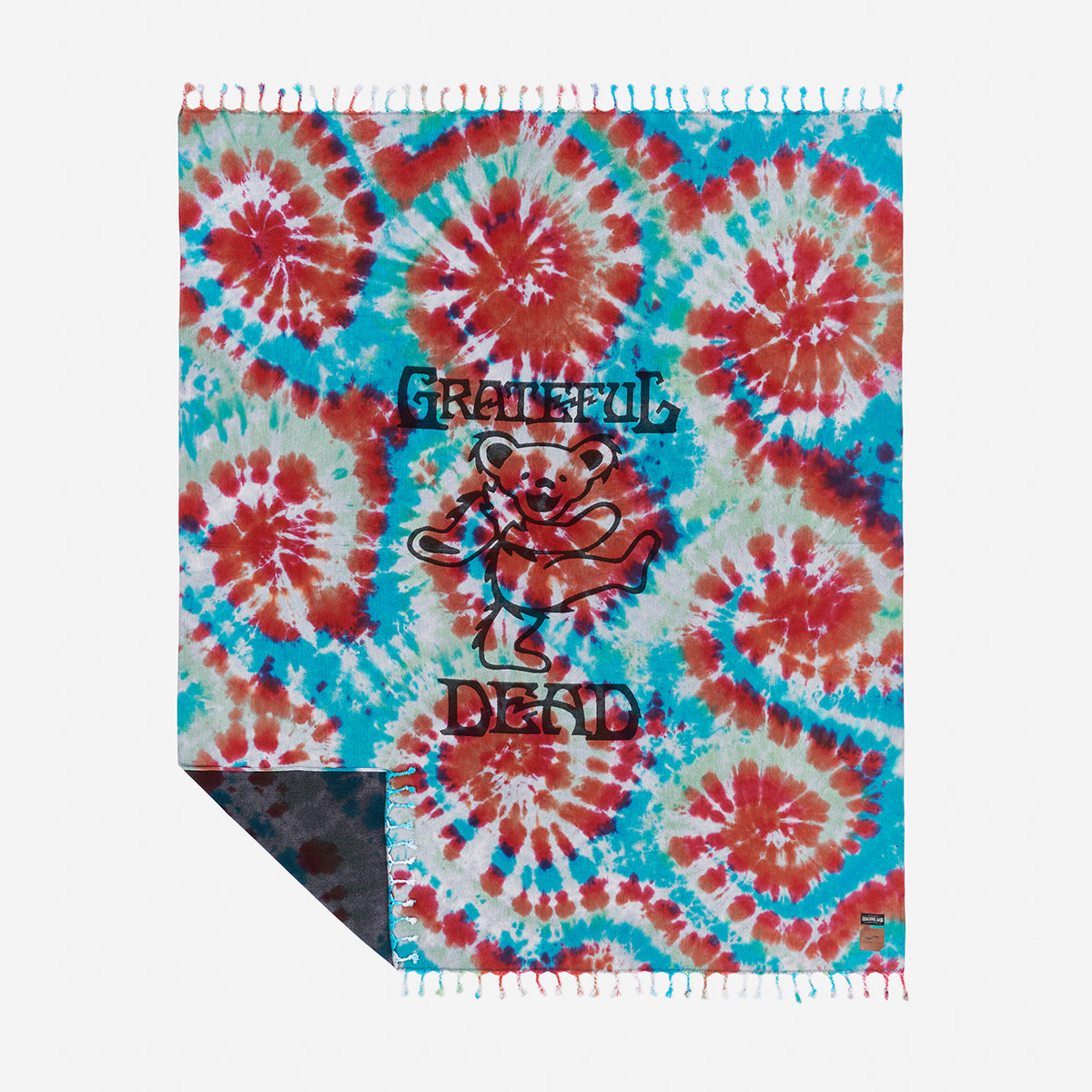
Throw blankets come in a variety of shapes and styles, each with distinct characteristics that influence fabric needs.
Understanding these variations can simplify the estimating process and prepare you for successful projects.
Rectangular vs. Square Throws
Rectangular throws are the most common style, generally offering more versatility for covering furniture or serving as shawls.
These blankets require straightforward calculations based on desired dimensions, seam allowances, and fabric width. On the contrary, square throws can present unique challenges.
Since square throws are equal in height and width, the calculations will differ slightly, especially if you plan to add embellishments or features like pockets.
Round or Circular Blankets
Round blankets have gained popularity in recent years due to their modern aesthetic.
Calculating fabric for a circular throw may initially seem daunting. Start by determining the diameter of your desired blanket, then use the formula for the area of a circle (πr²) to estimate the overall fabric needed. Be sure to add seam allowances and any additional fabric required for curved edges.
Unique Designs: Patchwork and Textured Blankets
Patchwork and textured blankets offer opportunities for creativity and personalized designs.
These projects may require more complex calculations due to the variety of fabrics involved. When estimating fabric for patchwork designs, remember to consider the size and shape of each individual piece. If various textures or weights are incorporated, adjustments in calculations may be necessary to achieve balance and harmony in the final design.
Tips for Minimizing Fabric Waste When Cutting and Sewing
Sewing a throw blanket can sometimes lead to excess fabric waste, particularly if not carefully planned.
By implementing effective strategies, you can reduce waste and optimize your fabric usage.
Strategic Cutting Techniques
One of the best ways to minimize waste is to cut your fabric strategically.
Before jumping into cutting, lay out your pieces on the fabric and visualize the layout. This approach allows you to identify the best arrangement while minimizing leftover scraps.
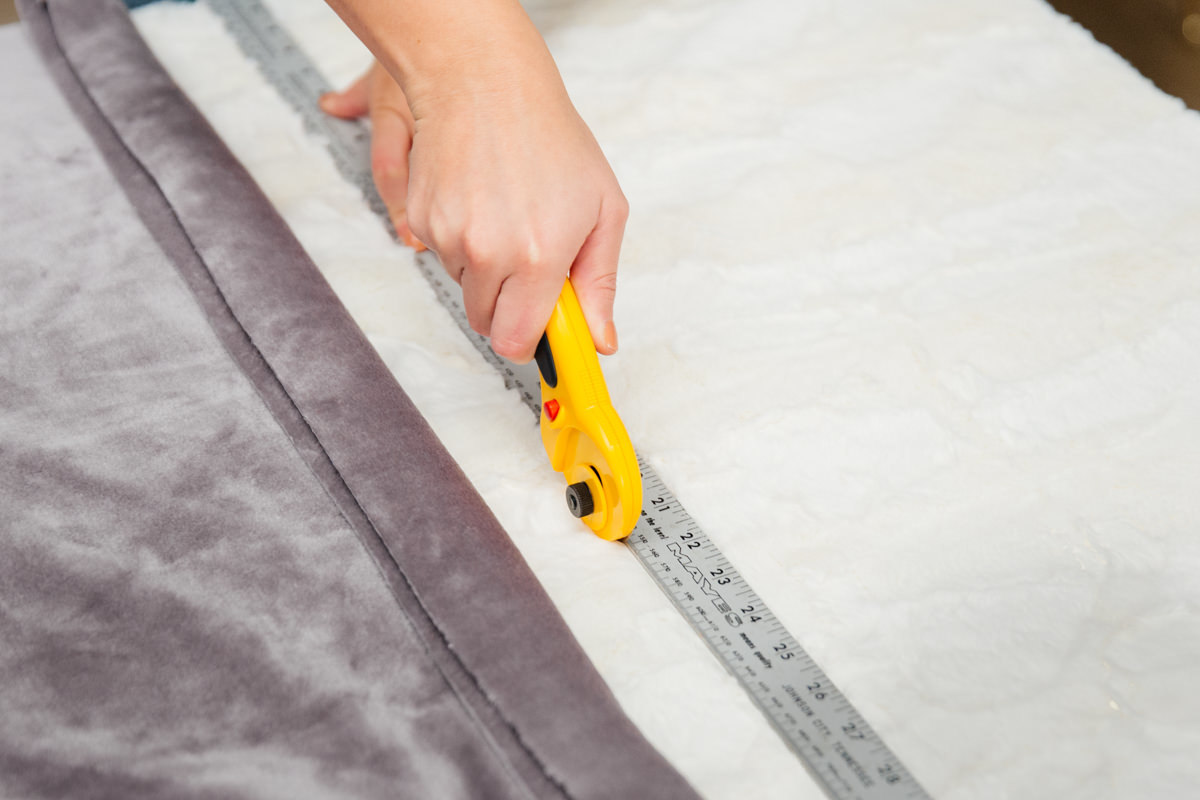
Utilizing a rotary cutter can also enhance precision and reduce mistakes, resulting in cleaner cuts and better fabric management.
Utilizing Scraps and Leftover Fabric
Don’t overlook the value of fabric scraps!
Small pieces can be repurposed for smaller projects, such as coasters, pot holders, or fabric embellishments on other garments. Embracing a mindset of resourcefulness will help you utilize every bit of your fabric and foster sustainable practices.
Efficient Buying and Planning
When purchasing fabric, consider buying in bulk if you plan to create multiple throw blankets or other sewing projects.
This approach often leads to cost savings and ensures consistency in fabric choices. Additionally, planning your projects around any existing fabric you already possess can vastly reduce waste and encourage creativity in design.
Fabric Options and Their Corresponding Yardage Recommendations
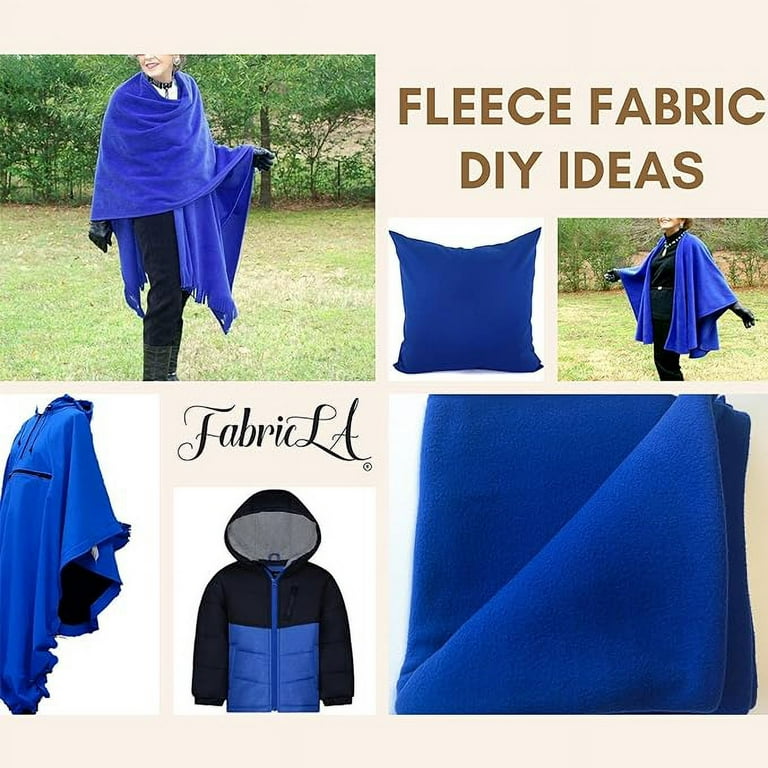
Choosing the right fabric can significantly influence your throw blanket’s look and feel. Each fabric type has its recommendations for yardage based on weight, drape, and texture.
Popular Fabric Choices for Throw Blankets
Cotton and fleece are among the most popular fabric options for throw blankets, each bringing unique qualities to the table.
Cotton is lightweight, breathable, and easy to wash, making it a versatile choice. Fleece, on the other hand, offers incredible warmth and coziness. Depending on the fabric type and thickness, yardage recommendations will vary greatly.
Specialty Fabrics: Wool and Minky
Wool and minky fabrics have become increasingly popular for throw blankets, providing luxurious textures and warmth. Wool may involve increased yardage due to its heavier weight compared to cotton. Minky, known for its plush feel, often requires additional fabric to achieve the desired drape and coverage.
Understanding Fabric Shrinkage
It’s crucial to understand that various fabrics behave differently when washed. Wool and linen are notorious for shrinking, which suggests pre-washing them before beginning your project.
Calculating yardage with pre-shrunk fabrics ensures you won’t run into surprises after completion, giving your throw blanket the perfect fit.
A Guide to Calculating Fabric for Various Throw Blanket Projects

Every throw blanket project is unique, influenced by dimensions, designs, and fabric choices.
Here, we break down the calculations needed for various styles to help streamline your sewing endeavors.
Basic Throw Blankets
For a straightforward rectangular or square throw, follow the foundational calculations outlined earlier.
Identify your desired dimensions, add seam allowances, and consider fabric width for precise measuring. This approach establishes a clear starting point for your project.
Quilted and Textured Throws
Quilted throws necessitate layered calculations.
Start by determining the final size and adding extra inches for shrinkage. Then repeat the calculations for each layer—top fabric, batting, and backing—to arrive at the total fabric yardage needed.
Specialty and Decorative Throws
For specialty throws, such as those featuring intricate patterns or fringe, adapt your calculations accordingly.
Ensure you account for each design element, allowing for sufficient fabric to achieve a beautifully finished product. Following the guidance provided throughout this article will help you navigate these complexities with ease.
Simple Formulas and Charts for Estimating Throw Blanket Fabric

Having access to simple formulas and charts can assist you in quickly estimating fabric needs.
These tools streamline the process and reduce the likelihood of miscalculations.
Basic Formula for Rectangular Throws
For quick reference, the basic formula for calculating fabric yardage for rectangular throws is as follows:
- Determine the desired dimensions and add seam allowances.
- Calculate fabric width and how many strips you’ll need.
- Multiply the required strips by the width of the blanket.
- Convert the total inches to yards for purchasing.
Visual Aids and Charts
Consider creating charts or infographics that outline fabric requirements for various blanket sizes and styles.
This visual representation makes it easier to quickly assess your fabric needs and serves as an accessible resource for future projects.
Reference for Specialty Fabrics
If you’re venturing into specialty fabrics, compile a reference chart detailing their yardage requirements based on weight, drape, and typical shrinkage behavior.
This knowledge base will ease future fabric selection and simplify the planning process.
Avoiding Fabric Shortages: Planning and Purchasing Strategies
Running short on fabric mid-project can be incredibly inconvenient and frustrating.
Implementing strategic planning and purchasing can help eliminate this issue.
Buy Extra Fabric
Whenever possible, consider purchasing slightly more fabric than your calculations suggest.
This precautionary measure accounts for unexpected errors and provides leeway for adjustments. Additionally, this practice allows for the possibility of creating coordinating accessories like pillows or smaller blankets.
Keep a Fabric Inventory
Maintaining an inventory of fabrics you already own can help avoid duplicate purchases.
By tracking what you have on hand, you can efficiently plan new projects around your existing materials, saving both time and money.
Consult with Experienced Sewists
Sometimes seeking advice from experienced sewists can illuminate pitfalls you may have overlooked.
Join online forums or local sewing groups to gain insights and tips from fellow enthusiasts. Their experiences may save you from potential fabric shortages and help you plan effectively.
Conclusion
In summary, how much fabric for a throw blanket varies significantly based on several factors, including size, design, fabric type, and embellishments. Understanding the nuances of fabric calculations empowers you to create beautiful, customized throw blankets tailored to your preferences and needs.
With thoughtful planning and attention to detail, you can confidently embark on your sewing projects, transforming yards of fabric into cherished handmade treasures. Remember to embrace creativity, utilize resources wisely, and most importantly, enjoy the process of crafting something uniquely yours.
