
No products in the cart.
New
Crafting Cozy A Comprehensive Guide to Making Fabric Blankets
Blankets, those comforting companions that offer warmth, solace, and a touch of homely charm, can be more than just store-bought items. They can be a testament to your creativity, a reflection of your personal style, and a labor of love woven with your own hands. Making your own fabric blankets, whether for personal use or as thoughtful gifts, is a rewarding experience that combines creativity, skill, and the satisfaction of creating something beautiful and functional. This guide will delve into the world of fabric blanket making, providing a thorough roadmap from beginner-friendly techniques to advanced design considerations. We’ll cover everything from choosing the right materials and understanding basic sewing concepts to exploring different styles and finishes, empowering you to embark on your own blanket-making journey.
Choosing the Right Fabric for Your Fabric Blanket

Before you embark on your journey of learning how to make fabric blankets, one of the most critical decisions you’ll face is selecting the right fabric. The choice of fabric will determine not only the aesthetic appeal of your blanket but also its functionality, comfort, and durability. Given the plethora of options available in terms of texture, weight, and composition, it’s essential to understand the characteristics of different fabrics before making a decision.
Understanding Fabric Types
When it comes to fabric selection, various types have unique qualities that cater to different needs and preferences.
Flannel is often celebrated for its warmth and softness, making it a quintessential choice for cozy winter blankets. Its brushed surface offers an inviting feel, perfect for snuggling on chilly nights. Cotton, on the other hand, stands out for its versatility; it’s breathable and easy to care for, making it suitable for year-round use.
Fleece is another popular fabric known for its incredible softness and warmth, particularly favored for children’s blankets due to its lightweight nature. If you’re looking for something luxurious, wool presents excellent insulation along with natural breathability, although it requires a bit more skill to work with. Lastly, minky fabric boasts a plush quality that makes it beloved for baby blankets, though it may be prone to pilling over time.
Factors to Consider
Beyond just material, several factors should influence your fabric choice. Weight is paramount; lighter fabrics are ideal for warmer weather, while heavier materials offer the insulation needed for colder days. Durability is another consideration—think about how frequently the blanket will be washed or exposed to wear and tear.
Don’t underestimate the impact of color and pattern either; vibrant patterns can breathe life into your finished product. Last but not least, consider the fiber content. Natural fibers like cotton and wool provide breathability and comfort, whereas synthetic options like fleece offer ease of maintenance.
Preparing Your Fabric for Blanket Construction

Once you’ve settled on the fabric type for your blanket, the next crucial step involves preparing it for construction. This stage is pivotal as it sets the foundation for a well-constructed blanket that will withstand the test of time.
Pre-Washing Your Fabric
One vital preparation step is pre-washing your fabric. Fabrics, especially those made from natural fibers, can shrink when first laundered. Washing your fabric beforehand ensures that any potential shrinking occurs before you cut and sew it, preventing size discrepancies later on.
Make sure to follow the manufacturer’s instructions regarding washing temperatures and drying methods. Additionally, this process removes any chemicals or finishes that might still be present on new fabric, ensuring a soft and safe product for your future use.
Ironing Your Fabric
After washing, ironing your fabric is an essential task that cannot be overlooked. Smooth, wrinkle-free fabric allows for precise cutting and sewing, contributing to a polished final appearance.
Set your iron to the appropriate heat setting based on the fabric type. For instance, cotton often requires higher heat, while synthetic fabrics may require lower settings to avoid melting. Be cautious and keep the iron moving to avoid scorching the fabric.
Cutting and Preparing Fabric Panels for Sewing

With your fabric prepped and ready, it’s time to dive into cutting and preparing the panels for your blanket. Proper cutting techniques ensure that your pieces align perfectly during sewing, which contributes to a professional finish.
Measuring Fabric Panels
Accurate measuring is crucial when cutting your fabric panels. Use a tape measure or ruler to determine the dimensions you want for your blanket. It’s best practice to mark your fabric lightly with chalk or a fabric marker to avoid permanent marks.
Be sure to account for seam allowances. A common allowance is half an inch, but always check your specific pattern for details. Take your time during this phase; precision will pay off in the long run.
Cutting Techniques
Investing in a good pair of fabric scissors will serve you well at this stage. Ensure your scissors are sharp and designated solely for fabric to achieve clean cuts.
For larger projects, consider using a rotary cutter and mat for efficiency. These tools allow for straight cuts across wide fabric panels, significantly speeding up your project. Additionally, always cut along the grain of the fabric to maintain its natural stretch and drape.
Basic Sewing Techniques for Fabric Blankets

Now that you have cut your fabric panels, it’s time to get acquainted with some basic sewing techniques that are fundamental to crafting fabric blankets. Building a strong foundation in these skills will ensure that your projects go smoothly and yield satisfying results.
Straight Stitching
The straight stitch is the bread and butter of many sewing projects. This versatile technique is essential for joining fabric pieces together securely.
To execute a straight stitch, set your sewing machine to the correct stitch length—typically around 2.5 mm is standard for most general sewing tasks. Start by aligning the raw edges of your fabric, using straight pins to hold them in place as you sew. Take your time and guide the fabric gently through the machine to create even stitches.
Seam Allowance and Finishing
Understanding seam allowance is vital for achieving a polished finish. As mentioned earlier, a standard seam allowance is usually half an inch. However, if your project calls for a different measurement, be sure to adjust accordingly.
Once you’ve sewn your seams, it’s important to finish them to prevent fraying. You can do this by zigzag stitching along the raw edges or using a serger. Each method has its merits, so choose one that corresponds to your skill level and equipment availability.
Creating a Simple Fabric Blanket with a Straight Stitch

Armed with your knowledge of basic sewing techniques, let’s explore how to construct a simple fabric blanket using a straight stitch. This straightforward approach allows your creativity to shine while ensuring a cozy and functional result.
Selecting Your Design
When planning your simple blanket design, start by considering the dimensions you’d like. A basic throw blanket measures approximately 50 inches by 60 inches, but you can customize the size to meet your needs.
Choose two coordinating fabric pieces that resonate with your style. Mixing colors or prints can elevate the visual interest of your blanket. Once you’ve selected your fabrics, cut them to the desired dimensions, adding seam allowances as necessary.
Assembling the Blanket
With your fabric panels cut, lay them right sides together. Pin along the edges, ensuring that everything aligns correctly. Leave an opening on one side for turning the blanket inside out after sewing.
Using a straight stitch, sew along the pinned edges, taking care to maintain a consistent seam allowance. When you reach the opening, simply backstitch to secure the seams. After sewing is complete, trim the corners carefully to remove excess fabric, allowing for sharper angles when turned.
Constructing a Quilted Fabric Blanket for Added Warmth

For those seeking additional warmth and style in their fabric blanket, constructing a quilted version offers both charm and utility. Quilting adds layers and helps to insulate, making it an ideal choice for colder months.
Choosing Batting and Backing
Start by selecting an appropriate batting material. Cotton batting provides warmth without excessive bulk, while polyester batting can add loftiness.
Additionally, choose a backing fabric that complements your top fabrics. Often, quilters opt for a single large piece for backing, but you can create a patchwork design if that suits your vision better.
Layering and Basting
Once you’ve gathered your materials, layer your top fabric, batting, and backing fabric. Make sure each layer is aligned properly, and use safety pins or basting spray to hold them together temporarily.
Basting is essential at this stage because it prevents shifting during the quilting process. Take your time to ensure everything is secured before proceeding to the next step.
Adding a Decorative Border or Binding to Your Fabric Blanket

No blanket is truly complete without the finishing touches that come from borders or bindings. These elements not only elevate the overall look but also protect the raw edges of your fabric.
Selecting Border Fabric
When selecting border fabric, aim for a color or print that complements the main fabric of your blanket. A contrasting color can create a striking effect, while a matching tone can lend a subtle elegance.
Cut strips of fabric for your border, maintaining a width of around 2 to 3 inches, depending on the desired visual impact. Remember to calculate enough fabric to cover all edges of your blanket.
Attaching the Border
To attach the border, begin by sewing the strips to the edges of your quilted blanket. Start from one corner and work your way around, folding the strips to enclose the raw edges.
Carefully pin the border in place, then sew along the edge, ensuring a consistent seam allowance. Press the border neatly after attaching, and finish by top-stitching along the outer edge for added durability and a polished look.
Finishing Touches and Tips for a Professional Look
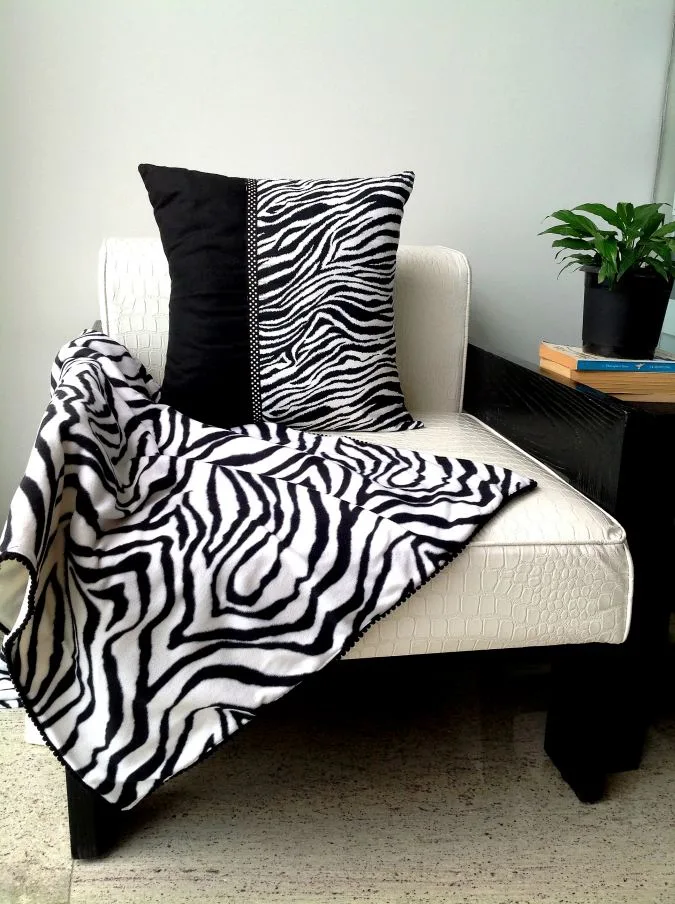
With your blanket nearly complete, it’s time to focus on those fine details that lend a professional flair to your handmade creation. These finishing touches can transform an ordinary project into something special.
Adding Labels and Tags
Personalizing your blanket with a label or tag is a delightful way to make it uniquely yours. This could be as simple as a handwritten note stitched onto fabric or a professionally printed label.
Consider including details like the recipient’s name, the date of creation, or a short message to infuse a personal touch. Labels also serve as a lovely reminder of the effort and care poured into creating the blanket.
Final Pressing and Care Instructions
Don’t overlook the importance of a final pressing. Ironing your finished blanket helps to smooth out any wrinkles and gives it a crisp, professional finish. Pay attention to the fabric type to avoid damaging delicate materials.
Lastly, consider including care instructions for your blanket. Different fabrics require unique cleaning methods, so outlining these guidelines ensures the longevity of your lovingly crafted item.
Washing and Caring for Your Handmade Fabric Blanket
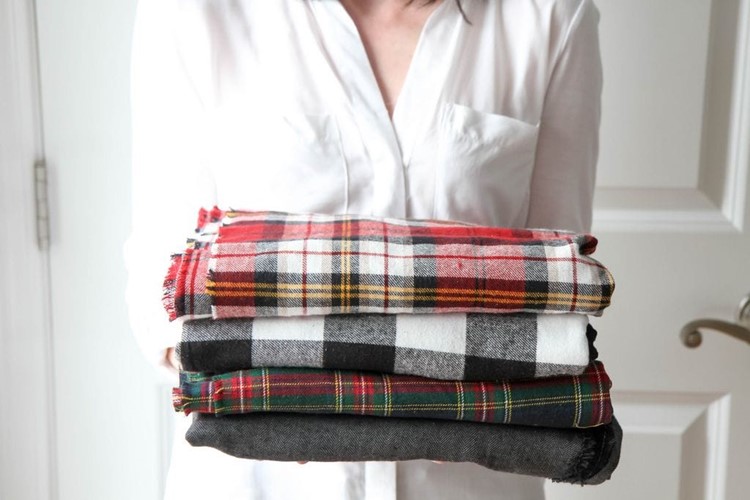
Taking care of your fabric blanket is essential to preserve its beauty and functionality. Understanding proper washing and care techniques will help extend the life of your handmade treasure.
Understanding Fabric Care
Every fabric type has its own care requirements. Cotton blankets may be machine washable, but the temperature and cycle setting matter significantly. It’s generally recommended to wash in cold water and tumble dry on low heat.
For delicate fabrics like wool or minky, handwashing may be preferable. Always check labels for specific instructions, as improper care can lead to shrinkage or damage.
Proper Washing and Drying
When washing your blanket, turn it inside out to minimize wear on the surface. Avoid mixing heavy items with your blanket in the washer, as this can cause uneven cleaning and strain on the fabric.
After washing, air-drying is often the safest option, particularly for fabrics susceptible to shrinking. If you must use a dryer, opt for a low heat setting to reduce the risk of damage.
Inspiration and Design Ideas for Unique Fabric Blankets
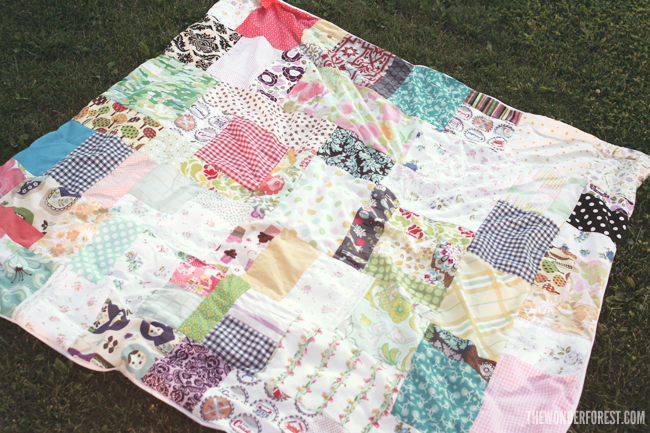
While learning how to make fabric blankets, your creativity can truly flourish as you explore various designs and techniques. Here, we’ll delve into some exciting inspiration to get your creative juices flowing.
Exploring Color Palettes
One of the simplest ways to personalize your blanket is by experimenting with color palettes. Bold, vibrant colors can invigorate a space, while muted tones promote relaxation.
Consider using a mix of solid colors and prints for added dimension. Using complementary colors based on a theme—like nature, seasons, or holidays—can further enhance the overall aesthetic.
Incorporating Patterns and Textures
Don’t shy away from mixing different fabric patterns! Stripes, polka dots, florals, and geometric shapes can coexist beautifully when placed thoughtfully.
Adding textured fabrics, such as quilted sections, fluffy minky, or even embroidered elements, can create visual interest and tactile delight. Combining these aspects allows for a blanket that captures attention and warms the heart.
Conclusion
Making fabric blankets is a fulfilling experience that allows you to express your creativity, develop new skills, and create lasting treasures. There’s a world of possibilities waiting to be explored, from simple throw blankets to intricately designed patchwork quilts. This guide has provided a comprehensive overview of the process, equipping you with the knowledge and confidence to embark on your own blanket-making journey.
By understanding the different fabrics, mastering basic sewing techniques, and experimenting with various styles and finishes, you can craft beautiful and personalized blankets that offer warmth, comfort, and a touch of handcrafted magic. So, gather your materials, embrace your creativity, and enjoy the process of bringing your blanket vision to life. Whether as gifts or cherished keepsakes, the joy of crafting your own fabric blankets is an experience that will warm not only your body but also your soul.
