
No products in the cart.
New
Unleashing Your Inner Artist A Guide to Drawing Festive Christmas Gifts
19
Sep
Sep
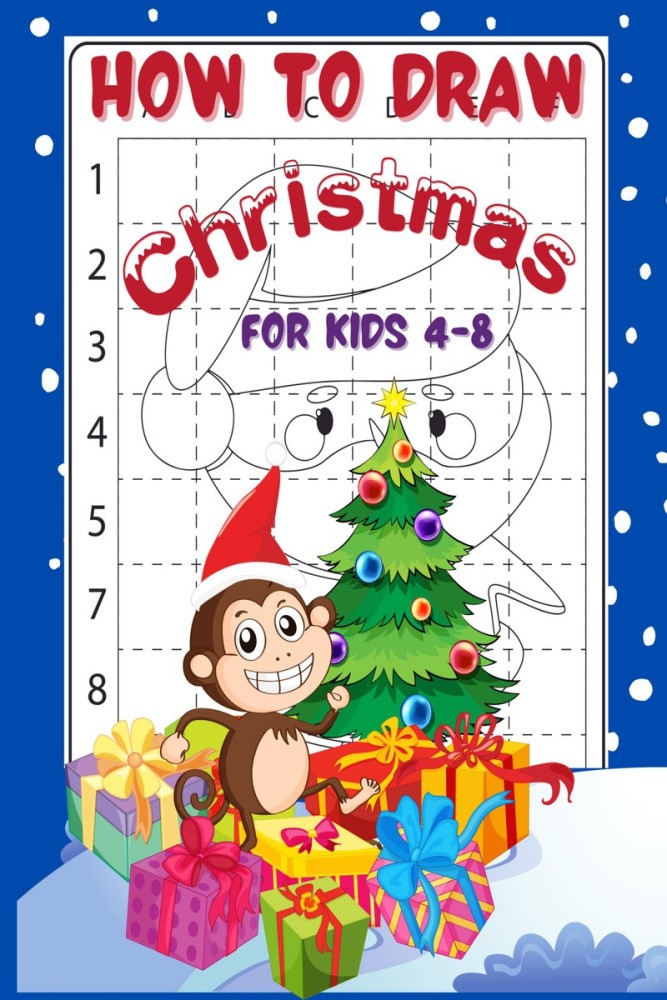
The holiday season is a magical time filled with warmth, joy, laughter, and the cherished tradition of gift-giving. As families gather around twinkling lights and beautifully adorned Christmas trees, the delights of presenting thoughtful gifts shine brightly in everyone’s hearts. But what if you could capture that essence through your art? Learning how to draw a Christmas gift allows you to add a personal touch to this festive season. Whether it’s depicting a classic wrapped box, a charming gift bag, or an elaborate stack of presents, this guide will take you through everything from foundational skills to advanced techniques to help unleash your inner artist.
Choosing the Right Materials for Your Christmas Gift Drawing
Before diving into the intricate world of drawing Christmas gifts, it’s crucial to equip yourself with the right materials. The choices you make regarding your tools can significantly impact your artistic journey, allowing you to express your unique style while creating beautiful representations of gifts.
Selecting Paper Types
The type of paper you use can enhance your drawing experience and results. For example, heavyweight sketch paper is ideal for pencil drawings because it can withstand erasure and layering without warping. If you plan to use markers or ink, consider smooth bristol board, which provides a sleek surface that prevents bleeding and ensures crisp lines. Watercolor paper is another great option if you desire to incorporate washes for color blending and shading.
Choosing Pencils and Inks
Having a range of pencils is essential for achieving various line weights and textures. Start with a soft pencil (2B or 4B) for shading and a harder pencil (H or 2H) for fine lines. Mechanical pencils are excellent for detailed work as they maintain sharp points consistently. For ink drawings, opt for fine-tipped pens or brush pens to add depth and variation to your lines. Consider using colored gel pens or inks to create vibrant highlights.
Exploring Color Options
When it comes to adding color, the choice between colored pencils, watercolors, or markers depends on your preferred style. Colored pencils offer control and precision, allowing you to layer for depth. Watercolors provide a soft, ethereal quality, perfect for capturing the essence of the holidays. Markers deliver bold, vibrant colors and can achieve similar effects when layered. Explore different mediums to find what resonates with your artistic vision.
Sketching the Basic Shape and Outline of Your Gift

Once you’ve gathered your materials, it’s time to embark on your drawing journey by capturing the basic shape and outline of your Christmas gift. Mastering the fundamentals of form offers a strong foundation upon which to build intricate details and embellishments.
Establishing Geometric Foundations
Every gift starts with understanding its geometric shape. Whether you’re tackling a rectangular box, a cylindrical tube, or an irregularly shaped item, begin by visualizing the fundamental forms that compose the gift.
For instance, a classic present typically consists of a rectangular prism. Lightly sketch the outline using simple shapes, focusing on angles and proportions before refining the edges. If you’re drawing a cylindrical gift, start with two ovals—one for the top and one for the bottom—and connect them with parallel lines. This practice helps develop a sound understanding of spatial relationships.
Defining the Perspective
Perspective adds dimensionality to your drawing, making it come alive. Consider the angle at which you want to represent your gift; are you viewing it from above, eye level, or below? Use guidelines to establish a horizon line and vanishing points to ensure that your lines recede accurately into space.
Practice sketching several boxes from different perspectives to recognize how distortion occurs when viewing objects from varying angles. By doing so, you’ll be able to manipulate form effectively in your final piece, creating a striking representation of your chosen gift.
Outlining with Confidence
Once you’re satisfied with your basic shapes, refine your outline using a combination of light and defined lines. Gradually increase the pressure on your pencil where you want the edges to stand out more prominently. Avoid overworking lines, as this can lead to a cluttered appearance. Embrace a balance between loose sketches and precise outlines, as this approach will lend your drawing both fluidity and structure.
Adding Details: Ribbon, Bows, and Wrapping Paper
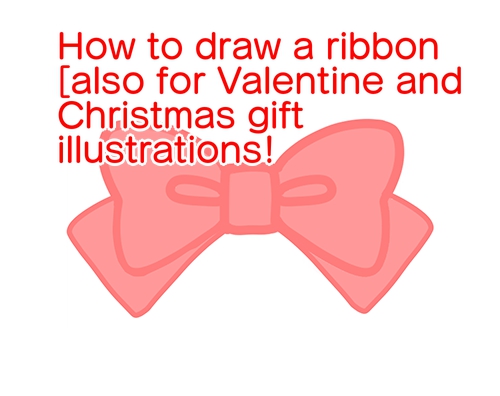
After establishing the basic shape of your gift, it’s time to breathe life into it by adding captivating details like ribbons, bows, and wrapping paper. These elements play a significant role in conveying the festive spirit of the holiday season.
Designing Ribbons and Bows
Ribbons and bows are quintessential components of Christmas gifts, and they can elevate your drawing from ordinary to extraordinary. Begin by lightly sketching the ribbon’s path around the box, considering how it drapes naturally. Experiment with flowing curves and bends that mimic the weight and texture of fabric.
For the bow, think about overlapping loops that create volume. Practice drawing different types of bows, such as classic floppy bows or intricate multi-loop designs. Focus on the interplay of light and shadow to depict the ribbon’s reflective quality, enhancing the overall presentation of your gift.
Incorporating Wrapping Paper Patterns
Wrapping paper is an exciting canvas for creativity, and adding patterns can enhance the visual appeal of your drawing. Choose festive designs that resonate with the spirit of Christmas, such as snowflakes, stripes, or holly.
Consider using repetitive shapes to create a cohesive pattern across the surface of the gift. Don’t shy away from experimenting with different styles, whether you prefer a minimalist approach or a bold combination of motifs. Take your time to render these details effectively, as they will bring joy to the viewer and enrich your artwork.
Adding Gift Tags for Personalization
Gift tags are an excellent way to personalize your drawings and tell a story. Create a small rectangular shape hanging from the ribbon, then detail it with a string or festive motif. Think about including names, heartfelt messages, or decorative elements like stars or holly leaves to add character and charm to your gift.
By thoughtfully designing the gift tag, you not only enhance your drawing but also evoke the emotions associated with giving during the holiday season. It can transform your artwork into a heart-warming narrative that captures the essence of sharing love and joy.
Creating Realistic Textures: Paper, Fabric, and Other Materials
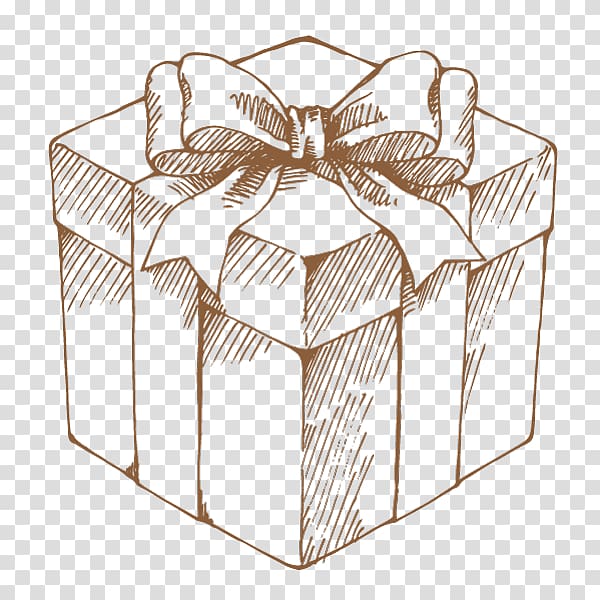
A key aspect of bringing your Christmas gift drawing to life lies in the effective rendering of texture. Texture evokes sensory experiences and creates a tangible quality in your artwork, making it visually engaging.
Surface Textures of Wrapping Paper
To simulate the distinct surface qualities of wrapping paper, focus on varying line weights and techniques. Use short, scribbled lines to represent crinkles and folds in the paper, mimicking its tactile nature. Add subtle hatching or stippling to indicate reflective surfaces, showcasing how light interacts with the material.
Experiment with layering colors to create depth and richness within the wrapping paper. By combining lighter and darker shades, you can portray shadows and highlights, enhancing the illusion of realism in your drawing.
Fabric Textures for Ribbons and Bags
For fabrics like ribbons or gift bags, embrace flowing curves and softer lines to depict their draped appearance. Utilize quick, gestural strokes to suggest movement and flexibility, as fabric tends to shift in response to gravity. Pay attention to how different fabrics reflect light—satin may have a smoother look, while burlap might exhibit a more textured finish.
Remember to integrate shadows alongside your fabric elements to ground them in your drawing. This careful attention to detail will allow viewers to appreciate the intricacies of your artistic interpretation.
Creating Unique Textures for Irregular Shapes
Not all Christmas gifts conform to traditional shapes, and that’s where creativity shines. For irregularly shaped objects, break down their forms into simpler geometric shapes, allowing you to analyze how each part interacts together. Focus on applying textures that correspond to the object’s surface—whether it’s a plush toy, an ornament, or a beautifully crafted container.
Seek inspiration from real-life examples to understand how light plays across complex surfaces. Observing how different materials interact with their environment will enhance your understanding of textural representation, leading to richer and more dynamic artwork.
Shading and Highlighting for Depth and Dimension
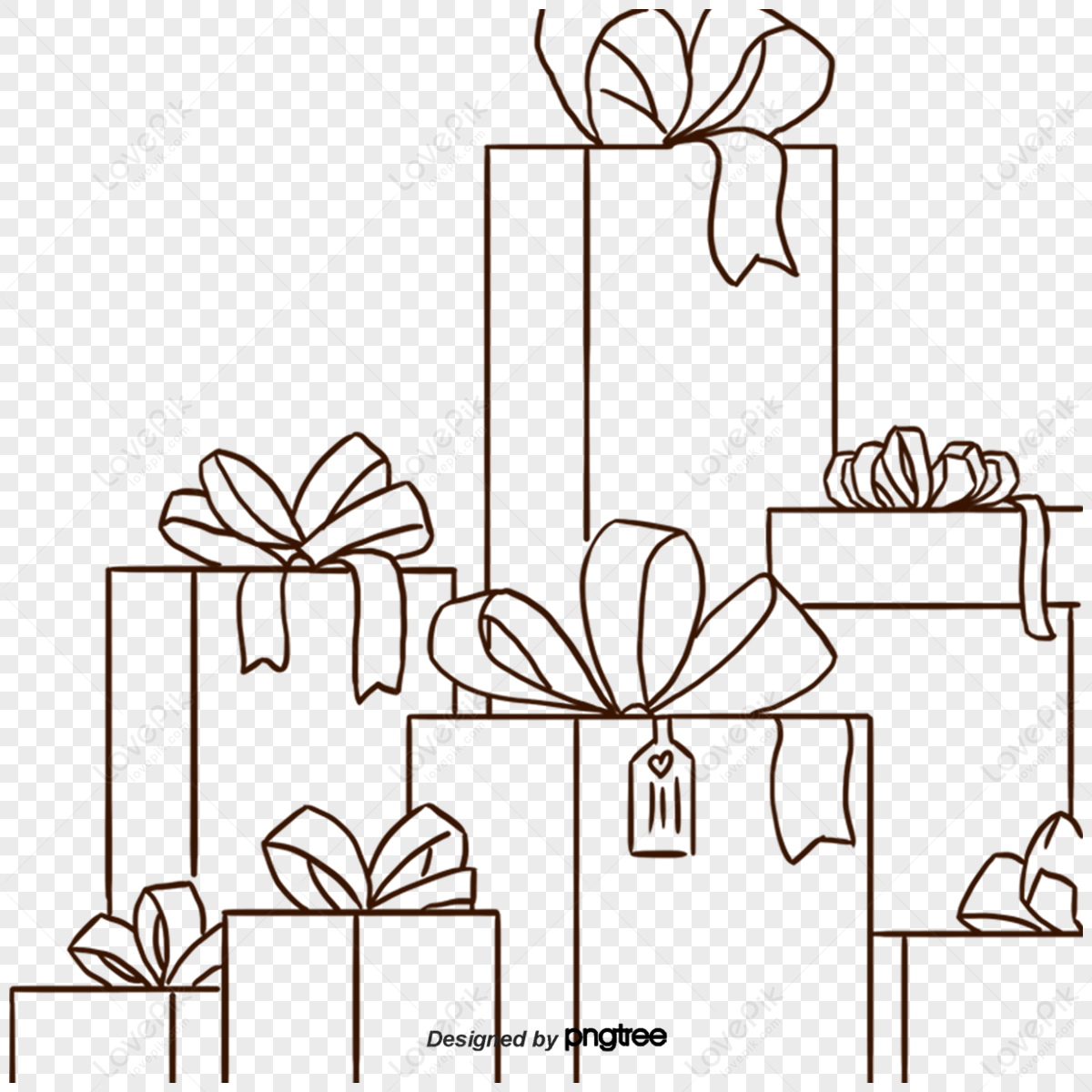
Now that your gift is adorned with delightful details, it’s time to focus on shading and highlighting techniques that will create depth and dimension. Mastering these skills is crucial to achieving a three-dimensional effect in your artwork.
Understanding Light Sources
Every drawing requires a light source to determine how shadows and highlights behave. Identify where your light source is coming from—whether it be natural sunlight or artificial lighting—and visualize how it affects the gift. Shadows are created on the opposite side of the light source, while highlights appear where light directly hits the object.
Take time to observe real-life objects and analyze how they transform under different lighting conditions. Understanding the interplay between light and dark will allow you to replicate those effects in your drawings.
Implementing Effective Shading Techniques
There are numerous shading techniques you can employ to create depth in your Christmas gift drawing. Cross-hatching, stippling, and blending are just a few methods you can explore to achieve the desired result.
Cross-hatching involves drawing intersecting lines to create density and texture, while stippling uses tiny dots to convey value gradations. Blending, whether achieved through smudging or using blending tools, allows for seamless transitions between light and dark areas. Experiment with these techniques to discover which best suits your artistic style.
Highlighting for a Radiant Finish
Highlights act as the finishing touch to illuminate your drawing. They can be applied using white gel pens, colored pencils, or even erasers to lift graphite or charcoal for brighter areas. Carefully assess where your light source strikes the gift and include bright spots that reflect the glimmer of fantasy and joy.
Be mindful of how excessive highlighting can detract from the overall effect; subtlety is key. Striking a balance between shading and highlighting will elevate your artwork, making it visually stunning and full of life.
Drawing a Festive Christmas Scene Around Your Gift

While focusing on the gift itself is important, integrating it into a broader festive scene can enhance your artwork further. Placing your gift within a setting adds depth and context, inviting viewers to immerse themselves in the holiday spirit.
Creating a Cozy Setting
Imagine the environment surrounding your Christmas gift—a cozy living room adorned with twinkling lights, or perhaps an enchanting winter landscape. Start by sketching a slight background that complements your gift. Consider adding elements like a decorated tree, stockings hanging by a fireplace, or gently falling snowflakes outside the window.
This setting enhances the emotional connection viewers feel towards your drawing, evoking memories of cherished holiday moments. By incorporating a sense of place, you’re telling a story through your art, enriching the viewer’s experience.
Utilizing Composition Techniques
Composition is crucial in ensuring your gift stands out against the backdrop. Use techniques like the rule of thirds or framing to position your gift in an appealing manner. Balance the elements within your scene, ensuring that the viewer’s eye is drawn to the gift while still appreciating the surrounding decorations.
Play with foreground, middle ground, and background layers to create depth. For example, placing a vase of ornaments in the foreground alongside your gift lends a sense of perspective and richness.
Infusing Holiday Spirit with Characters
Adding iconic holiday characters like Santa Claus, reindeer, or elves to your composition can breathe life into your scene. Their presence can introduce a whimsical element, while also reinforcing the theme of giving and celebration.
Sketch these figures interacting with your gift, whether they’re joyfully placing it under the tree or inspecting it curiously. The inclusion of characters invites storytelling into your artwork, capturing the joyous essence of the season.
Adding Color to Your Christmas Gift Drawing
Color infuses energy and vibrancy into your drawings and is pivotal in conveying the festive atmosphere associated with Christmas. Understanding color theory and experimenting with palettes will enhance your artistic expression.
Developing a Festive Color Palette
Choose a color palette that reflects the spirit of the season. Traditional colors like red, green, gold, silver, and white evoke feelings of joy, warmth, and festivity. However, don’t hesitate to explore non-traditional colors that resonate with your vision—pastels or blues can create a serene ambiance.
Create a color wheel to experiment with mixing and matching hues. This exercise will help you comprehend how colors interact and complement each other, guiding your decisions when selecting shades for your drawing.
Applying Color Techniques
How you apply color can significantly affect the overall aesthetic of your artwork. Explore various techniques, such as layering and glazing, to create depth and complexity within your colors. Layering involves applying multiple layers of color to achieve a rich, nuanced look, while glazing creates a transparent wash that adds vibrancy without overpowering underlying colors.
Depending on your medium, utilize blending tools like alcohol markers or watercolor brushes to create seamless transitions between hues. Practicing these techniques will empower you to express your artistic vision powerfully.
Balancing Colors with Shadows and Highlights
As you incorporate color into your drawing, don’t forget to pay attention to shadows and highlights. Using darker shades in shadowed areas creates a sense of depth, while lighter tones in highlighted regions enhance the three-dimensional effect.
Careful consideration of how colors interact with light will establish harmony throughout your piece, creating a visually appealing composition that draws the viewer’s eye.
Incorporating Holiday Elements: Ornaments, Lights, and Holly

Enhancing your Christmas gift drawing with additional holiday elements can elevate your artwork and celebrate the enchanting spirit of the season. Including ornaments, lights, and festive foliage introduces new dimensions to your drawing.
Designing Festive Ornaments
Ornaments are often the crowning glory of holiday presentations, and they can bring a unique flair to your artwork. Experiment with different shapes—round baubles, star-shaped toppers, or icicles—when sketching ornaments hanging from branches or placed beside your gift.
Bring detail to life by adding reflective surfaces, intricate patterns, or glittering elements. Incorporating colorful accents will contribute to the overall vibrancy of your drawing while highlighting the beauty of the gifts.
Integrating Twinkling Lights
Twinkling lights add warmth and cheer to any Christmas scene. Include strings of glowing bulbs or fairy lights adorning your environment, focusing on how they interact with your gift. Use soft, circular strokes to suggest the glow and implement variations in color to showcase the lights’ brightness.
Highlight the glow by softening edges and blending colors, creating an ethereal feeling reminiscent of holiday magic. This technique creates a sense of coziness, inviting viewers to feel the warmth of the season.
Incorporating Foliage and Natural Elements
Elements like holly, mistletoe, and pine branches can enrich your drawing with organic textures and colors. Sketch these natural components surrounding your gift, either as part of the background or intertwined with your present.
Consider utilizing dark greens, deep reds, and earthy browns to create contrast against the vibrant hues of your gift. Adding these details creates a harmonious balance while celebrating the beauty of nature during the holiday season.
Tips for Improving Your Christmas Gift Drawing Skills
No matter your current skill level, there’s always room for growth and development as an artist. Exploring new techniques, practicing regularly, and seeking feedback can unlock new doors in your creative journey.
Regular Practice and Experimentation
Dedicate time to practice drawing gifts in various forms and styles. Engage in sketching sessions focused on drawing different angles, textures, and decorative elements. Experiment with diverse styles, from realistic representations to whimsical interpretations, allowing your creativity to flourish.
Try setting up study sessions where you draw from life—arrange actual gifts in front of you or create mock setups with packaging and decorations. This practice will sharpen your observational skills while helping you internalize how gifts exist in space.
Seeking Feedback and Learning from Others
Engaging with a community of artists can be enlightening and inspiring. Share your work with peers or social media platforms and seek constructive criticism that can bolster your growth. Online critique groups or local art classes can provide valuable insights and techniques to expand your skill set.
Additionally, consider studying the works of accomplished artists to understand their techniques and styles. Analyze how they approach the subject matter—what choices do they make regarding color, composition, and texture? This examination can reveal strategies you may wish to incorporate into your own practice.
Embracing Mistakes and Learning
Art is an evolving process, and mistakes are inherent to growth. Rather than shying away from errors, view them as learning opportunities. Experimenting with different approaches and styles allows you to discover your voice as an artist, shaping your unique identity.
Reflect on completed pieces, identifying elements you enjoyed or aspects that fell short of your expectations. Use this self-reflection to inform future projects, nurturing resilience and a willingness to grow along the way.
Creating a Unique and Personalized Christmas Gift Drawing

Your artwork should reflect your personality and creativity, transforming it into something truly special. Personalizing your Christmas gift drawing can encapsulate cherished memories, relationships, and inspirations associated with the holiday season.
Incorporating Meaningful Symbols
One way to make your drawing stand out is by incorporating symbols or motifs that hold significance to you or your loved ones. Perhaps there’s a particular ornament that brings back fond family memories, or a specific color that resonates with your family’s traditions. Integrate these elements into your drawing to create a heartfelt narrative.
Explore ways to symbolize love, giving, or joy through imagery that transcends the mere representation of gifts. This deeper connection will infuse your artwork with meaning, turning it into a celebration of your experiences.
Adding Personal Touches and Messages
Personal touches can enhance your piece even further. Consider weaving in handwritten notes, quotes, or blessings that evoke the spirit of the holidays. Create a visual impact by incorporating calligraphy or decorative lettering that flows harmoniously with the overall design.
Allow your creative instincts to guide you as you explore ideas for personalization. It could be a small family crest, a favorite recipe, or a shared memory woven throughout the composition, imbuing your drawing with uniqueness and sentimentality.
Experimenting with Different Artistic Styles
Don’t hesitate to explore various artistic styles that reflect your individuality. Whether you choose a realistic approach, abstract interpretation, or playful cartoonish design, let your imagination run wild. Experimentation will not only hone your skills but also reveal aspects of your artistic voice yet to be discovered.
By embracing different styles, you can create a distinctive piece that captures the essence of your holiday spirit while resonating with your personal experiences.
Conclusion
Drawing Christmas gifts is more than just putting pencil to paper; it’s an opportunity to embrace the festive spirit, express your creativity, and share your love through art. By understanding the fundamental principles of gift representation, mastering various techniques, and exploring personalized elements, you have the power to create breathtaking drawings that encapsulate the joy of the holiday season.
As you embark on this artistic journey, remember that the process itself is a gift. Each stroke carries the potential to tell a story, evoke emotion, and spread cheer. So grab your materials, dive into the world of creativity, and let your imagination shine brightly—just like the holiday lights that adorn our homes. Unleash your inner artist and revel in the joy of creating art that embodies the warmth and magic of Christmas!
