
No products in the cart.
New
Can You Give a Dog a Christmas Ham Bone? A Comprehensive Guide to Canine Safety and Holiday Treats
19
Sep
Sep
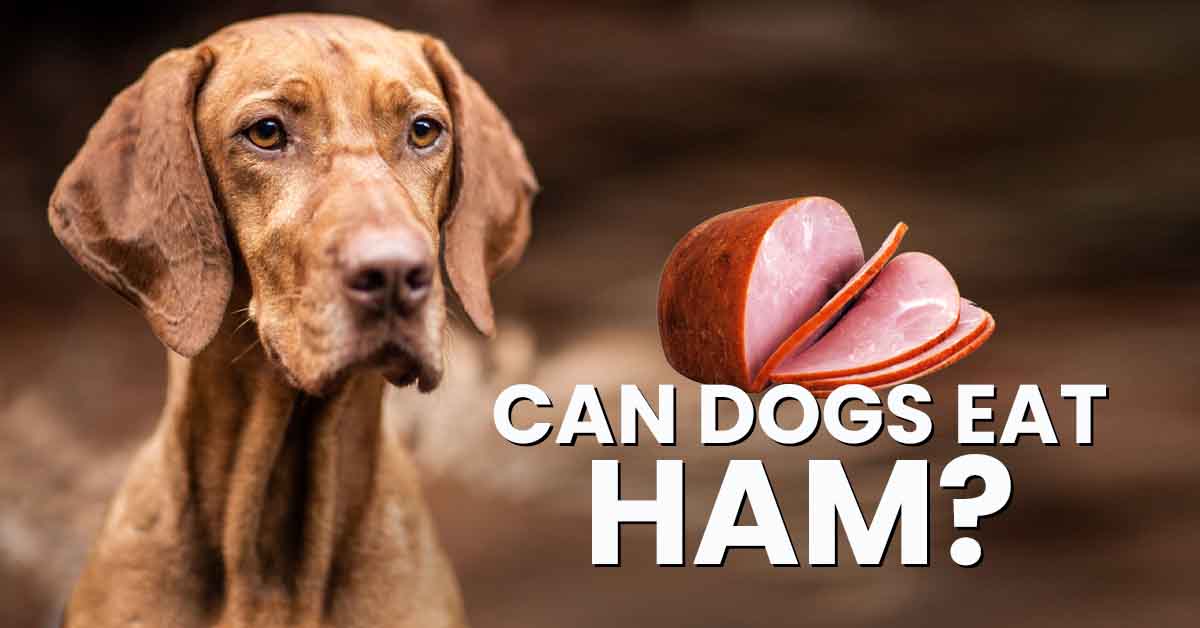
The holidays are a time for family, celebrations, and delicious feasts. Many of us look forward to the succulent ham that graces our Christmas tables. As we gather around, it’s tempting to include our furry companions in the festivities and share a piece of that juicy ham or its bone with them. However, the question arises: can you give a dog a Christmas ham bone? The short answer is no—at least not without considerable caution and understanding. This article will guide you through the perils associated with ham bones, along with safer alternatives and vital precautions to ensure your canine friend enjoys a safe and festive holiday season.
Is Christmas Ham Safe for Dogs?
Before diving into the dangers of feeding your dog a ham bone, it’s essential to understand whether the actual ham itself poses any risks.
Understanding Ham as Food for Dogs
Ham, while a beloved holiday delicacy for humans, doesn’t translate well into canine cuisine. It’s rich in protein, but its high fat and salt content can lead to several health concerns, especially if consumed in large quantities.
Dogs have distinct dietary needs compared to humans. Their bodies process nutrients differently, making some human foods unsafe or unhealthy for them. While a small morsel of plain, cooked ham may not pose a significant risk, indulging in larger portions can lead to gastrointestinal distress and other severe health issues.
Moreover, many hams sold commercially are often cured, processed, and seasoned with various ingredients that may be harmful to dogs. Ingredients like garlic, onion, and excessive sodium can cause everything from digestive upset to more severe conditions like hemolytic anemia or salt poisoning.
Cooked vs. Raw Ham
It’s crucial to differentiate between cooked and raw ham when considering your dog’s diet. Cooked ham is much more dangerous due to its preparation methods. Cooking alters the structural integrity of bones, making them prone to splintering when chewed. Raw ham, on the other hand, carries its own risks, including potential bacterial contamination.
Dogs are naturally equipped to handle certain amounts of bacteria in their food, but the risk escalates with improper handling or cooking. If you choose to offer any form of ham to your dog, moderation is key, and it must be free from seasoning and additives.
Key Takeaway
In essence, while a tiny piece of unseasoned, cooked ham might not be harmful, it’s best to approach feeding ham to dogs with caution. The focus should be on finding appropriate alternatives that are inherently safer for their digestive systems.
The Dangers of Ham Bones for Dogs
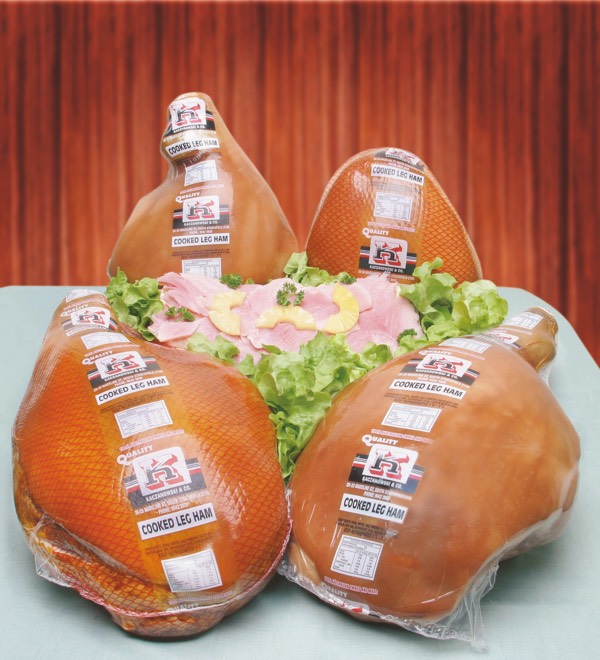
Now that we’ve established the considerations surrounding ham itself, let’s delve deeper into the specific dangers of giving dogs ham bones.
Choking Hazards and Obstructions
One of the most immediate concerns when offering a dog a ham bone is the risk of choking. Cooked ham bones are brittle and can splinter easily, leading to sharp fragments that may lodge in a dog’s throat or obstruct the gastrointestinal tract.
When a dog chokes, the consequences can escalate quickly. Symptoms such as gagging, drooling excessively, or pawing at the mouth can occur. In severe cases, choking can lead to suffocation if not resolved immediately. Moreover, an obstruction in the digestive tract can result in intense pain and inflammation, requiring veterinary intervention or even surgery to remove the lodged bone fragments.
Gastrointestinal Damage
Even if a dog manages to swallow a ham bone without choking, they may still face gastrointestinal issues. The sharp edges of splintered bones can lacerate the delicate lining of the mouth, esophagus, stomach, and intestines, leading to severe internal injuries.
More than just physical obstructions, the consumption of ham bones can trigger pancreatitis, particularly due to their high fat content. Pancreatitis is not only painful but also potentially life-threatening, leading to symptoms such as vomiting, diarrhea, and lethargy.
Dental Complications
Another significant danger posed by ham bones pertains to dental health. Chewing on hard bones can lead to tooth fractures, which can be excruciating and require costly dental treatment. Additionally, bones can trap bacteria and food particles, contributing to gingivitis and periodontal disease.
Furthermore, the forceful chewing required to break down hard bones may result in jaw injuries, including fractures or dislocations. Thus, what may seem like a harmless treat could pave the way for extensive dental problems down the line.
Key Takeaway
Given these substantial risks, the consensus among veterinarians is clear: ham bones should never be offered to dogs. Even though the intention behind sharing holiday treats with pets comes from love, safety must always be prioritized.
Understanding the Risks of Fat and Salt in Ham

Feeding dogs ham goes beyond bones; it’s also important to consider the nutritional profile of the meat itself.
High Fat Content
Ham typically contains a higher fat content than many other meats. While moderate fat intake is necessary for canine health, excessive fat can lead to obesity and related health complications.
Obesity, in turn, opens the door to numerous issues, such as joint problems, diabetes, and heart disease. Given that many dogs already struggle with weight management, the risk of adding ham to their diet during the holidays isn’t worth it.
Sodium Levels
Most processed hams contain significant amounts of sodium, which can lead to electrolyte imbalances in dogs. An overload of salt can result in serious complications, including dehydration and kidney damage. Dogs require certain levels of sodium, but excessive amounts can put an unnecessary strain on their system.
Risk of Pancreatitis
As mentioned earlier, the combination of high fat and sodium in ham increases the risk of pancreatitis in dogs. This condition occurs when the pancreas becomes inflamed, leading to a host of uncomfortable symptoms and requiring immediate vet care.
Dog owners should remain vigilant regarding their pet’s diet, especially during festive seasons filled with rich foods. Small changes can lead to severe long-term repercussions, making awareness and prevention paramount.
Key Takeaway
While ham is a delicious part of Christmas celebrations for people, it’s laden with risks for dogs. Pet owners should seek safer alternatives that provide satisfaction without compromising their dog’s health.
Alternative Festive Treats for Your Canine Companion

The good news is there are numerous alternatives to ham bones that can keep your dog happy and healthy during the holidays.
Raw Meaty Bones
Consider offering raw meaty bones, such as beef or lamb bones, under supervision. Unlike cooked bones, these are less likely to splinter, making them a safer option for chewing and gnawing.
Consult your veterinarian to determine the safest variants for your dog. Each breed has different needs, so getting professional input will help you find treats that suit your furry friend appropriately.
Puppy-Friendly Chews
Commercially available dental chews make excellent alternatives for dogs. Designed specifically to help clean teeth and freshen breath, they can satisfy your dog’s chewing instincts without posing the risks associated with bones.
Always check the ingredients. Selecting products that avoid artificial sweeteners or excess sugar has become increasingly crucial, as certain ingredients can be harmful to dogs. Opt for brands that prioritize natural components for optimal health.
Fruits and Vegetables
Fruits and vegetables present nutritious options that many dogs enjoy. Carrots and sweet potatoes, for example, can be frozen into dog-friendly chews that are both healthy and satisfying.
Not only do these snacks provide a great source of vitamins, but they also help with dental hygiene and can act as natural chew toys. Always ensure that these foods are prepared correctly—avoid seasoning and toxic ingredients, such as grapes, onions, and garlic.
Key Takeaway
There’s no shortage of festive, safe treats to offer your canine companion. By prioritizing their health with suitable alternatives, you allow them to partake in holiday cheer without endangering their well-being.
Safe and Healthy Christmas Treats for Dogs

With the focus on creating a joyful experience for your dog during the holidays, let’s explore some safe and healthy options available to keep them included in the festivities.
Homemade Dog Treats
Creating homemade dog treats allows you to control the ingredients, ensuring they’re suitable and safe for your pet. Simple recipes using oats, peanut butter (ensure it’s xylitol-free), pumpkin, and even mashed bananas can yield tasty treats that your dog will adore.
Baking your treats can create special holiday-themed shapes. Not only do these unique creations represent thoughtfulness, but they also encourage bonding as you involve your pet in the holiday spirit.
Healthy Snack Substitutes
If you want to indulge your dog further, consider snacks like plain turkey or chicken, devoid of any seasoning, bones, or skin. Lean cuts of meat provide protein without the unnecessary fats that hinder your dog’s health.
Additionally, yogurt can serve as a yummy treat; however, opt for plain yogurt with minimal added ingredients. Always monitor your dog’s intake to prevent any digestive upset while introducing new foods.
Specialty Dog Treats for the Holidays
Several companies specialize in seasonal dog treats formulated to cater to canine dietary needs. Look for those made with wholesome ingredients that mimic traditional holiday flavors, such as pumpkin spice or turkey dinner.
These commercial products often incorporate superfoods, allowing dogs to enjoy gourmet flavors without compromising their health. Always read labels to ensure you select the highest quality treats that align with your dog’s dietary requirements.
Key Takeaway
Healthy, festive treats for dogs are abundant, encouraging pet owners to think outside the box. By choosing thoughtfully crafted, safe alternatives, you can make the holidays enjoyable for your beloved companions.
Preventing Pancreatitis in Dogs During the Holidays

Pancreatitis is one of the significant health risks linked to indulgent eating during the holidays.
Causes of Pancreatitis
This condition can arise from various factors, including dietary indiscretion, obesity, and certain medications. During the holidays, when rich foods abound, the temptation for dogs increases, leading to overconsumption.
Fatty foods are primary culprits triggering pancreatic inflammation, resulting in vomiting, diarrhea, and abdominal pain. For dogs, especially those predisposed to pancreatitis, vigilance becomes essential during this festive time.
Monitoring Your Dog’s Diet
To prevent pancreatitis, closely monitor your dog’s diet, especially around the holidays. Limit access to rich food and ensure family members know not to give table scraps to your dog.
Encourage healthy eating habits by sticking to their regular diet. If you intend to introduce new foods, consult your veterinarian beforehand.
Recognizing Signs of Pancreatitis
Early detection of pancreatitis is critical for effective treatment. Owners should be observant of their dog’s behavior for any signs of distress or discomfort.
Symptoms such as lethargy, refusal to eat, vomiting, and abdominal tenderness should prompt immediate veterinary consultation. Early intervention can significantly improve outcomes, reducing the severity of the condition.
Key Takeaway
Preventing pancreatitis requires diligence and proactive measures. By being mindful of your dog’s dietary choices during the holiday season, you can mitigate the risk of developing this painful condition.
Recognizing Signs of Digestive Issues in Dogs
Despite efforts to maintain your dog’s health during the holidays, digestive issues may still arise.
Common Symptoms to Watch For
It’s essential to recognize the signs indicating that something may be wrong with your dog’s digestive system. Common symptoms of digestive distress include vomiting, diarrhea, loss of appetite, and excessive drooling.
If your dog exhibits any of these symptoms after consuming a new treat or food item, take note. Be ready to provide detailed information to your veterinarian regarding your dog’s behavior and dietary changes.
The Importance of Timely Intervention
Timely recognition and intervention can mean the difference between a minor issue and a more severe problem requiring intensive treatment. If symptoms persist for more than a day, or if your dog appears particularly lethargic or uncomfortable, seeking veterinary advice is imperative.
Communication with Your Veterinarian
Maintaining open communication with your veterinarian about your dog’s eating habits and any changes in behavior is critical. They can provide tailored advice and recommend suitable dietary adjustments or treatments based on your dog’s individual needs.
Key Takeaway
Recognizing and acting upon signs of digestive issues promptly will enhance your dog’s chances of recovering quickly. As a responsible pet owner, being vigilant and proactive in monitoring your furry friend’s health is essential.
How to Keep Your Dog Safe Around Holiday Foods
The festive season presents unique challenges for pet owners trying to maintain their dog’s health.
Establishing Clear Boundaries
One of the most effective ways to keep your dog safe during the holidays is to establish clear boundaries around food. Ensure that food remains out of reach and that guests are informed not to feed your dog scraps or leftovers.
Utilizing baby gates or crates to create designated “safe zones” where your dog can retreat free from temptation can also be beneficial.
Training and Reinforcement
Training your dog to follow commands like “leave it” or “stay” will contribute to keeping them away from food mischief during gatherings. Positive reinforcement techniques will encourage your dog to comply with rules while strengthening your bond.
Designated Dog Treats and Spaces
Designate specific areas for your dog’s treats and meals separate from dining spaces. Having their own space can help reduce distractions and minimize the urge to beg or sneak food from the table.
Key Takeaway
Keeping your dog safe around holiday foods ultimately hinges on preparation and proactive measures. By training, establishing boundaries, and creating a conducive environment, you can protect your furry friend from unwanted mishaps.
Consulting Your Veterinarian about Holiday Food Safety
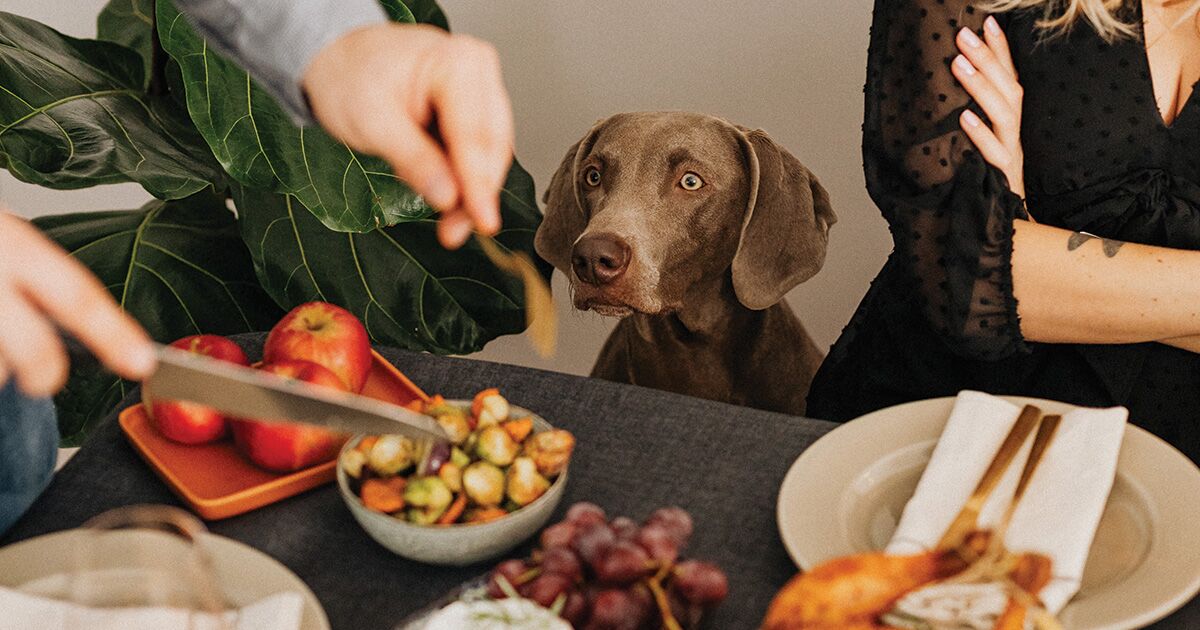
Your veterinarian serves as a valuable resource when navigating food safety during the holidays.
Importance of Professional Guidance
Every dog has unique dietary needs and sensitivities, making it crucial to consult a veterinarian before introducing new foods or treats. Your vet can provide personalized recommendations and warn you about common hazards.
Discussing Holiday Foods
Engaging your veterinarian in discussions about holiday foods, including what’s safe and what to avoid, can empower you to make informed decisions. This collaboration benefits not just your dog’s health but also offers peace of mind during the busy holiday season.
Keeping Your Vet Informed
If your dog has pre-existing health conditions, maintaining open lines of communication with your veterinarian is especially critical. They can help you navigate holiday temptations, providing tailored suggestions based on your dog’s medical history.
Key Takeaway
Your veterinarian is an indispensable partner in ensuring your dog’s health, particularly during times filled with tempting but risky foods. Taking advantage of their expertise will help safeguard your furry friend’s well-being.
Creating a Safe and Festive Holiday Environment for Your Pet
Beyond treating your dog with safe foods, creating a festive environment is essential for their enjoyment and safety.
Decking the Halls Responsibly
When decorating your home, exercise caution concerning pet-friendly materials. Avoid tinsel, ribbons, and ornaments that present choking hazards.
Selecting non-toxic plants like rosemary or holly instead of traditional festive flora can provide a beautiful aesthetic without jeopardizing your pet’s safety.
Engaging Activities for Dogs
Plan engaging activities that allow your dog to participate in the holiday festivities. Interactive toys, puzzles, and special attention will make your dog feel included without risking their health through inappropriate treats.
Maintaining a Routine
Dogs thrive on routine, so maintaining a regular schedule during the holidays is essential. Consistency in meal times, walks, and playtimes helps alleviate anxiety and keeps your dog grounded amid the holiday chaos.
Key Takeaway
Creating a safe and enjoyable holiday atmosphere for your pet requires thoughtful planning. By focusing on safety and engagement, you can ensure your dog enjoys the season alongside you.
Conclusion
In conclusion, while the thought of sharing a Christmas ham bone with your furry friend may seem appealing, the reality is fraught with risks. From choking hazards to gastrointestinal issues and dental complications, offering ham bones to dogs is a practice best avoided. Instead, prioritize your dog’s health by opting for safe and festive treat alternatives designed for their dietary needs.
By recognizing the potential dangers of holiday foods and consulting your veterinarian for guidance, you can create a joyous and safe holiday experience for your pet. Let the spirit of the season shine through thoughtful choices, ensuring that your beloved canine companion enjoys all the joy—without the associated risks.
