
No products in the cart.
New
The Genesis of Wu-Tang Clan Decoding the Origins of the Wu-Tang Clan

19
Sep
Sep
The Wu-Tang Clan, a name that echoes through the corridors of hip-hop history, is more than just a collective of talented individuals; it represents a movement, a philosophy, and a redefinition of musical artistry. Understanding when the legend of the Wu-Tang Clan was created involves delving into a complex tapestry of influences, innovations, and cultural revolutions that spanned beyond mere music. As we embark on this journey, we will explore the early influences that shaped its members, the organic formation of the group, and the pivotal moments that solidified their legacy as icons within the genre.
The Genesis of Wu-Tang Clan: Origins and Formation
The story of the Wu-Tang Clan cannot be traced back to a single moment; rather, it unfurls like a compelling novel, with each chapter revealing new layers of creativity and ambition. The origins of this legendary group are steeped in the cultural nuances of Staten Island during the late 1980s and early 1990s, a time when hip-hop was beginning to infiltrate mainstream consciousness whilst still maintaining roots in local communities.
The synergy between RZA’s vision and the eclectic backgrounds of each member would pave the way for the creation of music that was deeply personal yet universally relatable. This combination of unique experiences and shared aspirations set the foundation for an entity that would evolve into one of hip-hop’s most influential forces.
The Cultural Landscape of Staten Island
Staten Island often went unnoticed within the broader New York City landscape, overshadowed by its borough counterparts. However, it was here that the seeds of the Wu-Tang Clan were sown, influenced by the gritty realism of neighborhood life and the vibrant hip-hop culture burgeoning in urban areas.
In the streets of Staten Island, the youth found solace in music, art, and performance. They drew inspiration from their surroundings, blending the elements of their lives into something creatively transformative. The raw energy of this environment ignited the imaginations of young artists like RZA, GZA, and Ol’ Dirty Bastard, drawing them towards the rhythmic beats and lyricism characteristic of hip-hop.
Moreover, the cultural crossroads provided fertile ground for artistic expression. Martial arts films, particularly those from Hong Kong, became a unique source of inspiration. They instilled a sense of discipline and philosophical depth in the members as they began to integrate these themes into their music and persona.
The Visionary Mind of RZA
Robert Diggs, better known as the RZA, emerged as the architect behind Wu-Tang’s sound and philosophy. His childhood experiences, combined with his exposure to music and martial arts, laid the groundwork for his future endeavors. RZA sought not just to create music, but to establish a new paradigm within the hip-hop genre.
His vision was clear: he wanted to deliver raw, unfiltered narratives that encapsulated both the struggles and victories of street life while infusing them with the wisdom found in Eastern philosophy. This desire to break barriers and redefine what hip-hop could be was key in transforming a group of individual artists into a cohesive unit—the Wu-Tang Clan.
The Collective Spirit of the Clan
As RZA gathered friends and aspiring rappers from Staten Island, a collective spirit began to emerge. Each member contributed their voice, style, and perspective, recognizing that they could achieve far more together than they ever could alone. This camaraderie fostered a supportive environment, where creativity flourished and individual strengths complemented one another.
Their unique identities became integral parts of the larger Wu-Tang narrative, allowing the collective to resonate with a diverse audience. Each artist—Method Man, Ghostface Killah, Inspectah Deck, Raekwon, U-God, and Masta Killa—brought forth distinct flavors, resulting in a rich tapestry of sounds and stories that showcased the multifaceted nature of the group.
Early Days: The Seeds of a Clan in Staten Island

Before the world knew them as the Wu-Tang Clan, these artists were navigating the trials and tribulations of their formative years. Their individual journeys intertwined, creating a backdrop for the collective identity that would soon emerge.
As they honed their craft, the bond between members strengthened, leading to collaborations that would later define their unique sound. The desire to escape the confines of traditional hip-hop led them to explore innovative ways to express themselves and share their experiences.
Influences From Hip-Hop and Beyond
The rise of hip-hop in the late 80s and early 90s provided a backdrop that inspired the Wu-Tang members. Artists like Run-D.M.C., Eric B. & Rakim, and N.W.A. set the stage for a new breed of lyricism that resonated with authenticity. Yet, while these artists paved the way, Wu-Tang was determined to carve out their own distinctive lane.
The group’s affinity for martial arts films added a unique twist to their lyrical approach. They incorporated elements from these cinematic masterpieces, employing metaphors and imagery that elevated their storytelling abilities. This fusion of street life and martial arts philosophy became a hallmark of their identity—a blend rarely seen in hip-hop prior to their emergence.
Crafting Their Sound
RZA’s role as the primary producer allowed him to shape the sonic landscape of Wu-Tang. By experimenting with sampling techniques and layering unique sounds, he created a production style that was unlike anything heard before in the genre. The use of obscure samples, including snippets from kung fu movies and rare soul tracks, infused their music with an eclectic richness.
This experimentation was not limited to production alone; each member brought their unique flair to the writing process. Collaborations resulted in verses that felt both improvisational and meticulously crafted, showcasing the lyrical prowess of the group as a whole. As the members began to develop their individual styles, the essence of Wu-Tang started to crystallize.
The Ritual of Collaboration
The act of coming together to create music became a ritual for the Wu-Tang Clan. The studio sessions were charged with creative energy, creating an atmosphere where ideas flowed freely. This collaborative spirit extended beyond mere recording; it fostered friendships and mutual respect among the members, reinforcing the idea that they were not just a collective but a family.
These early experiences served as the bedrock for what would become the formidable force known as the Wu-Tang Clan. Their dedication to honing their craft and supporting one another would pay dividends as they prepared to unleash their artistry upon the world.
The Birth of Enter the Wu-Tang (36 Chambers): A Defining Moment
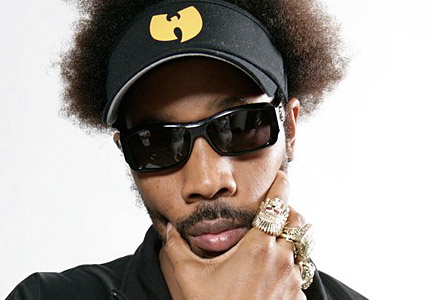
The arrival of Enter the Wu-Tang (36 Chambers) marked a significant turning point in the trajectory of the Wu-Tang Clan. Released in 1993, it not only established their identity within the hip-hop community but also set the stage for a revolution in the genre itself.
This debut album, driven by RZA’s visionary production and the intricate lyricism of its members, captured the raw essence of the Wu-Tang experience. It was a moment that encapsulated the hard work, creativity, and ambition that had been cultivated since their inception.
The Significance of Protect Ya Neck
Often regarded as a defining track, “Protect Ya Neck” exemplified the group’s ethos and their commitment to authenticity. With its aggressive delivery and visceral energy, the song became an anthem for the underground hip-hop movement. The lyrics offered a glimpse into the lives of the artists, painting vivid pictures of struggle and resilience.
The song’s impact reached far beyond the realm of music; it heralded the arrival of a new era in hip-hop, one that prioritized individuality and creative freedom. For many, “Protect Ya Neck” was not just a song— it was a declaration of purpose that signaled the emergence of the Wu-Tang Clan as serious contenders in the music industry.
Enter the Wu-Tang: A Sonic Revolution
The release of Enter the Wu-Tang (36 Chambers) introduced listeners to a groundbreaking sound that would redefine hip-hop. RZA’s production choices, characterized by heavy sampling and layered instrumentation, created a distinctive auditory experience that stood apart from mainstream offerings.
The album’s tracks oscillated between high-energy anthems and contemplative narratives, showcasing the multifaceted talents of each member. Songs like “C.R.E.A.M.” and “Method Man” became instant classics, illustrating their ability to seamlessly intertwine storytelling with catchy hooks.
Listeners were drawn in not only by the infectious beats but also by the thought-provoking content. Wu-Tang’s exploration of the human experience—love, pain, survival—resonated deeply, offering a refreshing alternative to the commercialized narratives prevalent at the time.
The Reception and Impact
Upon its release, Enter the Wu-Tang (36 Chambers) received critical acclaim and commercial success. Its impact reverberated throughout the music industry, reshaping perceptions of what hip-hop could achieve. The album ushered in a new wave of artists who embraced the ideals of authenticity and individuality that Wu-Tang epitomized.
Furthermore, it paved the way for independent artists to gain recognition without adhering to the norms dictated by major labels. The Wu-Tang Clan proved that it was possible to maintain creative control while achieving widespread success, inspiring countless musicians to pursue their artistic visions unapologetically.
1993: The Year Wu-Tang Clan Changed Hip Hop

While many influential albums have come and gone, 1993 stands out as the year the Wu-Tang Clan forever changed the landscape of hip-hop. It was not just about the release of Enter the Wu-Tang (36 Chambers); it was about redefining the expectations of the genre and paving the way for a new generation of artists.
The influence of Wu-Tang extended far beyond their immediate success; it marked the inauguration of a new age in hip-hop that celebrated individuality, creativity, and conscious storytelling.
Shattering Stereotypes
Before Wu-Tang’s emergence, hip-hop was often categorized into rigid archetypes. The clan shattered these stereotypes, presenting a diverse array of personas while maintaining a cohesive brand. Members such as Ol’ Dirty Bastard and Method Man showcased contrasting styles, yet their collaboration felt effortless, proving that diversity could coexist within a unified framework.
Their willingness to delve into unconventional topics and explore deeper themes transformed the lyrical landscape of hip-hop. Rather than merely recounting tales of violence or materialism, the Clan invited listeners into a world brimming with complex emotions, making room for vulnerability alongside bravado.
The Influence on Future Generations
The ripple effect of Wu-Tang’s innovation can be seen in contemporary hip-hop. Artists today draw inspiration from their fearless approach to lyricism, sound, and presentation. The ability to merge personal narratives with universal themes has become a hallmark for many successful acts, echoing the template pioneered by the Clan.
Through their example, Wu-Tang established the notion that hip-hop could serve as a platform for self-expression, social commentary, and artistic experimentation. Their influence continues to inspire artists across genres, demonstrating the enduring power of their contributions to the fabric of music.
Establishing the Wu-Tang Brand
Beyond their musical achievements, Wu-Tang Clan recognized the value of branding. Their iconic logo and aesthetic became synonymous with their identity, transcending the music scene and permeating popular culture. The symbolism represented loyalty, unity, and strength—elements core to their ethos.
Merchandising and collaborations expanded their reach further, allowing fans to engage with the brand in various ways. The Clan’s foresight in establishing their collective identity heightened their cultural relevance and ensured their place as icons in the hip-hop narrative.
The Creative Process Behind Enter the Wu-Tang (36 Chambers)

Understanding how Enter the Wu-Tang (36 Chambers) came to fruition provides insight into the creative minds and collaborative processes that defined the group’s identity. The interplay between individual artistry and collective genius set the stage for a masterpiece that would endure for decades.
From songwriting to production, every aspect of the album reflected the synergy and dedication of its creators. The result was a landmark album that pushed boundaries and redefined the possibilities of hip-hop.
The Collaborative Atmosphere
RZA’s leadership as the primary producer fostered an environment ripe for collaboration. Each member was encouraged to contribute their ideas, perspectives, and unique styles to the creative process. This openness allowed for spontaneous bursts of inspiration to flourish, resulting in a dynamic exchange of thoughts and concepts.
The presence of multiple voices enriched the album, ensuring that it did not conform to a singular narrative. Instead, it became a multifaceted entity, representing the diverse experiences of its members and resonating with listeners from various backgrounds.
Sampling and Production Techniques
One of the standout features of Enter the Wu-Tang (36 Chambers) was RZA’s innovative use of sampling. He meticulously selected snippets from a myriad of sources, including classic soul records and martial arts films, weaving them intricately into the fabric of the songs.
This technique not only added depth to the music but also created a sense of nostalgia, connecting audiences with familiar sounds while introducing them to the Wu-Tang experience. Through sonic experimentation, RZA established a signature style that would influence producers for generations to come.
The Lyrical Mastery of Wu-Tang
Lyrically, each member brought their unique flavor to the table, resulting in a collective of powerful verses. The storytelling format employed by the Clan allowed for intricate narratives to unfold, immersing listeners in the realities of street life, triumphs, and struggles.
Themes of loyalty, resilience, and brotherhood permeated the lyrics, establishing a strong emotional connection with the audience. The interplay between RZA’s production and the lyrical dexterity of the members created an unforgettable listening experience, where every track felt like a cinematic journey.
The RZA’s Vision: Architect of the Wu-Tang Sound

At the heart of the Wu-Tang Clan’s success lies the visionary mind of RZA. His role as both producer and leader was integral in shaping their identity, sound, and philosophy. RZA’s approach transcended conventional boundaries, allowing him to construct a unique sonic landscape that would define the group for generations to come.
Understanding his vision provides context for the revolutionary impact that Wu-Tang Clan had on hip-hop.
Philosophy as a Foundation
RZA’s fascination with Eastern philosophy played a crucial role in shaping the Wu-Tang ethos. He infused concepts of martial arts and spirituality into the group’s identity, emphasizing discipline and unity. This philosophical framework allowed them to elevate their artistry beyond music, creating a narrative that resonated deeply with listeners.
By integrating these themes, RZA positioned Wu-Tang as more than just entertainers; they became ambassadors of a lifestyle that emphasized knowledge, growth, and self-awareness. The incorporation of philosophical principles into their lyrics added a layer of depth that set them apart from their contemporaries.
Innovating Production Techniques
RZA’s innovative approach to production was instrumental in defining the Wu-Tang sound. He mastered the art of sampling, transforming obscure snippets into compelling musical backdrops. RZA’s innate ability to juxtapose different genres and create seamless transitions enriched the overall listening experience.
His meticulous attention to detail allowed each track to retain its unique character while contributing to the cohesive narrative of the album. The use of lo-fi aesthetics and gritty textures mirrored the rawness of the group’s experiences, encapsulating the atmosphere of Staten Island during that era.
Leadership and Collaboration
RZA’s leadership extended beyond production; he served as a guiding force throughout the creative process. Balancing collaboration with maintaining a unified vision, he ensured that each member’s voice was heard while steering the group toward a common goal.
His passion for artistic freedom and innovation enabled the members to experiment and push boundaries. This collaborative dynamic fueled their creativity, resulting in a collective of artists who were equally committed to their craft and each other.
The Impact of Enter the Wu-Tang (36 Chambers) on Hip Hop

The release of Enter the Wu-Tang (36 Chambers) sent shockwaves through the hip-hop community, fundamentally altering the genre’s landscape. Its profound impact extended beyond chart rankings and sales figures; it redefined the expectations placed upon hip-hop artists and established a new standard for originality and authenticity.
Exploring the ramifications of this seminal album reveals how Wu-Tang Clan forever changed the trajectory of hip-hop.
Redefining Hip-Hop Aesthetics
Prior to Wu-Tang’s emergence, hip-hop aesthetics often revolved around flashy imagery, commercial appeal, and mainstream narratives. Enter the Wu-Tang (36 Chambers) challenged these conventions, embracing a rawness and authenticity that resonated with listeners seeking genuine representation.
The album’s gritty production, coupled with its unfiltered lyricism, established a new benchmark for artistic integrity. Wu-Tang’s unapologetic approach to storytelling opened doors for other artists to explore deeper, more complex themes within their work.
Cultural Resurgence of Independent Hip-Hop
Enter the Wu-Tang (36 Chambers) played a pivotal role in the resurgence of independent hip-hop, validating the artistic merit of underground music. The Clan’s success served as a blueprint for emerging artists seeking to navigate the music industry outside the confines of major labels.
Their emphasis on maintaining creative control while achieving commercial success inspired a wave of independent artists who followed in their footsteps. By prioritizing artistry over conforming to industry norms, Wu-Tang encouraged musicians to chart their own courses and embrace their unique perspectives.
Lasting Legacy and Influence
The influence of Enter the Wu-Tang (36 Chambers) remains palpable in contemporary hip-hop. The album’s impact is evident in the works of countless artists who draw inspiration from Wu-Tang’s pioneering spirit. Concepts of lyrical complexity, thematic depth, and sonic experimentation have become hallmarks of modern hip-hop, tracing back to Wu-Tang’s revolutionary contributions.
Moreover, the Clan’s commitment to collaboration and unity has set a precedent for future collectives, highlighting the power of working together toward a common goal. The legacy of Wu-Tang Clan serves as a beacon for artists seeking to challenge conventions and redefine their place within the music industry.
The Clan’s Unique Approach to Music and Collaboration

The Wu-Tang Clan’s ascent to prominence is attributed not only to their individual talents but also to their unique approach to music and collaboration. Their collective mentality fostered a rich environment that nurtured creativity and innovation, allowing them to craft a sound and identity that resonated deeply with audiences.
Examining this approach sheds light on the elements that propelled Wu-Tang Clan to the forefront of hip-hop.
Embracing Individuality Within a Collective Framework
One of the defining characteristics of Wu-Tang Clan is their ability to celebrate individuality while functioning as a cohesive unit. Each member brought forth their distinct voice, style, and narrative, creating a rich tapestry of sounds and stories.
This celebration of individuality allowed them to stand out in a crowded market. Their willingness to embrace diverse perspectives and approaches to songwriting and performance forged a unique identity that resonated with fans seeking authenticity.
Synergistic Collaborations
Collaborations among Wu-Tang members were marked by an unparalleled synergy that brought out the best in each artist. The process was characterized by trust and respect, allowing members to push each other creatively without fear of judgment.
The interweaving of verses, the call-and-response dynamic, and the blending of vocal styles showcased the Clan’s ability to harmonize their talents. Every track felt like a collective effort, reinforcing the idea that their strength lay in their unity.
The Art of Storytelling
Storytelling is a cornerstone of hip-hop, and the Wu-Tang Clan excelled in this regard. Their ability to weave intricate narratives into their music allowed them to connect with listeners on a profound level. Themes of street life, loyalty, and existential reflection found a home within their lyrics, drawing in audiences eager to immerse themselves in authentic experiences.
RZA’s production played a crucial role in elevating these narratives. The diverse soundscapes he created complemented the lyrical content, enhancing the emotional resonance of each song. This symbiotic relationship between production and storytelling set Wu-Tang apart, solidifying their status as masters of the craft.
Building a Legacy: Wu-Tang Clan’s Influence on Future Artists

As the Wu-Tang Clan solidified their presence in the hip-hop landscape, their influence extended beyond their immediate success. The legacy they built transcends generations, inspiring countless artists to embrace creativity and authenticity in their work.
Understanding the far-reaching impact of Wu-Tang Clan reveals how their contributions continue to shape the future of hip-hop.
Inspiring Artistic Fearlessness
Wu-Tang Clan’s commitment to artistic fearlessness inspired a generation of musicians to push boundaries and explore unconventional themes. Their refusal to adhere to mainstream expectations encouraged emerging artists to take risks in their storytelling and production choices.
This spirit of experimentation laid the groundwork for the diversification of hip-hop, allowing for a broader range of narratives and styles to emerge. Artists today cite Wu-Tang’s influence as a catalyst for their own creative journeys, underscoring the Clan’s lasting impact.
The Rise of Collectives in Hip-Hop
The success of Wu-Tang Clan has paved the way for the emergence of various hip-hop collectives and crews. Artists recognize the power of collaboration and unity, mirroring the dynamics established by Wu-Tang.
Groups such as Odd Future and Pro Era embody similar principles of collaboration and collective artistry. The emphasis on teamwork and shared vision resonates deeply with contemporary artists, illustrating how Wu-Tang’s legacy continues to shape the collaborative landscape of hip-hop.
Cultural Crossover and Global Reach
Wu-Tang Clan’s unique blend of East and West, along with their incorporation of martial arts philosophy, helped bridge cultural divides within hip-hop. Their global reach has allowed them to transcend geographical boundaries and resonate with audiences worldwide.
Artists from diverse cultures now draw inspiration from Wu-Tang’s ability to mix genres and incorporate various cultural elements into their work. This cultural crossover signifies the expansive influence of Wu-Tang Clan, highlighting their role as pioneers of globalization within the music industry.
From Staten Island to Global Phenomenon: The Enduring Power of Wu-Tang
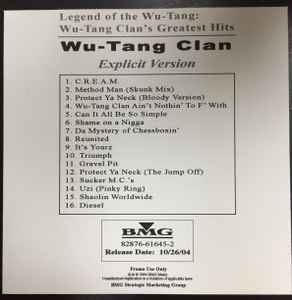
The Wu-Tang Clan’s journey from the streets of Staten Island to global phenomenon symbolizes the transformative power of creativity and collaboration. Their indelible mark on hip-hop reflects a story of resilience, innovation, and unwavering dedication to artistic integrity.
As we reflect on their legacy, it’s essential to understand the significance of their journey and the lessons it imparts.
The Evolution of Wu-Tang Clan
While Wu-Tang originally formed as a collective of Staten Island rappers, their evolution into a global brand showcases their adaptability and foresight. The Clan has embraced opportunities to expand their reach, venturing into film, television, and entrepreneurship while remaining true to their roots.
This evolution underscores the importance of versatility in the music industry. The ability to adapt to changing landscapes while maintaining a strong sense of identity has allowed Wu-Tang to remain relevant and impactful throughout the years.
Celebrating Their Cultural Impact
The cultural impact of Wu-Tang extends beyond music; they have become icons of resilience, creativity, and community. Their values resonate with fans and artists alike, serving as a reminder of the power of unity and self-expression.
Wu-Tang’s commitment to mental health awareness, education, and community outreach further cements their legacy as advocates for positive change. They have leveraged their platform to inspire others to pursue their passions and uplift their communities.
An Enduring Legacy
As time passes, the Wu-Tang Clan’s influence will undoubtedly continue to shape the future of hip-hop and beyond. Their unique sound, powerful narratives, and unwavering dedication to authenticity remain a beacon for aspiring artists.
The legend of the Wu-Tang Clan is a testament to the power of collaboration, creativity, and cultural expression. Their journey serves as a reminder that the pursuit of artistic freedom can lead to transformative experiences that resonate with audiences for generations.
Conclusion
The journey of when the legend of the Wu-Tang Clan was created is a multifaceted narrative that encapsulates the intersection of artistry, culture, and social consciousness. From their humble beginnings in Staten Island to their evolution as global icons, Wu-Tang Clan’s impact on hip-hop and popular culture is nothing short of monumental.
Their unique approach to music and collaboration, coupled with RZA’s visionary leadership, paved the way for a new era of artistic freedom and individual expression. The enduring legacy of Wu-Tang Clan transcends generations, inspiring countless artists to embrace their creativity and authenticity.
As we continue to celebrate the indelible mark left by the Wu-Tang Clan, we are reminded of the power of music to unite, uplift, and inspire. Their story, rooted in resilience and innovation, remains a shining example of what is possible when artists come together to forge their paths. The legend of the Wu-Tang Clan is far from over; it is a living testament to the enduring power of hip-hop and the artistry that defines it.
