
No products in the cart.
New
Enter the 36 Chambers Decoding the Origins of the Wu-Tang Clan

19
Sep
Sep
The Wu-Tang Clan, a collective of nine emcees hailing from Staten Island, New York, irrevocably altered the landscape of hip-hop. Their unique blend of kung fu philosophy, intricate rhyme schemes, and raw, unfiltered lyricism resonated with a generation and beyond. While the group’s influence is undeniable, the question of exactly when was Wu-Tang Clan created remains a fascinating journey through the early days of their formation. Unpacking this question necessitates a dive into their individual histories, the burgeoning hip-hop scene in Staten Island, and the pivotal moments that led to the conception of arguably the most influential hip-hop group of all time.
The Genesis of Wu-Tang Clan: A Look at Their Formation
Understanding the inception of the Wu-Tang Clan is akin to unraveling an intricate tapestry woven from various threads of individual histories, cultural influences, and socio-political environments. It’s essential to consider not only the talent and creativity that energizes the group but also the challenges they faced in the music industry and society at large. From their humble beginnings to the moment they exploded onto the hip-hop scene, the journey of the Wu-Tang Clan embodies a collective spirit unlike any other.
The Cultural Context of Staten Island
Staten Island, often considered the overlooked borough of New York City, possesses a unique culture characterized by its tight-knit communities and rich histories. The geographic isolation of the island fostered a distinct identity for its inhabitants, allowing creativity to flourish away from the hustle and bustle of Manhattan or the vibrant scenes of Brooklyn and the Bronx.
This sense of community played a crucial role in nurturing young talent during the late 1980s. Rappers like GZA and RZA began to develop their skills at local parties and block events, where they showcased their talents in front of their peers, creating a friendly yet competitive atmosphere that spurred artistic evolution.
In this environment, the Wu-Tang Clan emerged as representatives of a new era in hip-hop, drawing inspiration from their surroundings while cultivating an ethos that would resonate deeply with fans around the world. This cultural context laid the groundwork for what would become one of the most innovative groups in music history.
The Visionaries Behind Wu-Tang Clan
At the core of the Wu-Tang Clan are visionaries like RZA and GZA, who had a clear understanding of the musical landscape they were navigating. RZA, the mastermind producer, sought to forge a sound that transcended the typical boundaries of hip-hop, while GZA injected intellectual rigor into their lyrics, ensuring that each verse contributed to a narrative much larger than mere bravado.
Their combined vision led to a collaborative dynamic that became a hallmark of the group. Each member brought their own experiences and styles to the table, creating a rich tapestry of voices and perspectives. As they honed their craft, they cultivated an unwavering determination to redefine hip-hop, ultimately leading to the birth of the Wu-Tang Clan.
Early Collaborations that Sparked the Flame
Before the official formation of the Wu-Tang Clan, there were numerous collaborations among its members that hinted at the chemistry and synergy that would later define them. These early connections served as a foundation upon which the collective would build their iconic legacy.
Tracks like “Protect Ya Neck,” which first showcased their groundbreaking sound, exemplified how these early collaborations set the stage for the group’s future success. The blending of different lyrical styles and production techniques not only established their identity but also highlighted the raw talent present within each member of the clan.
As the individual stories of each member interwove, a greater narrative emerged that would fundamentally change the course of hip-hop history. Recognizing these earlier collaborations is key to understanding not just when the Wu-Tang Clan was created, but also why they remain relevant in today’s musical landscape.
Wu-Tang Clan’s Origins: Tracing the Roots of the Clan
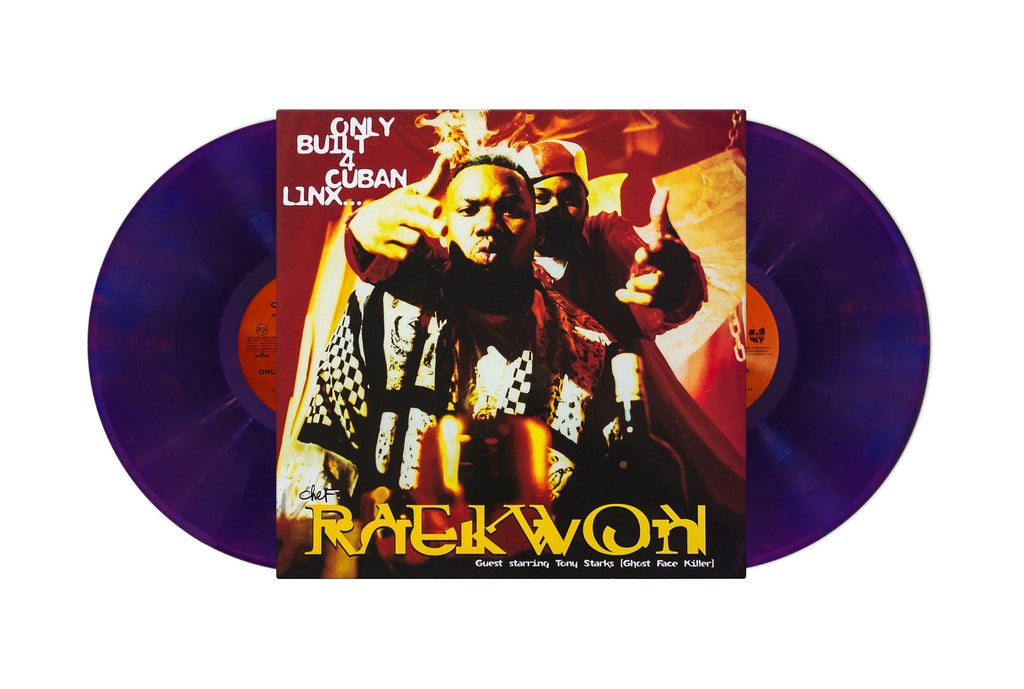
To accurately pinpoint the origins of the Wu-Tang Clan, one must explore their roots—both personal and communal. The intertwining histories of the nine emcees reveal a tapestry of struggles, triumphs, and aspirations that contributed to the emergence of this cultural phenomenon.
Individual Histories of the Emcees
Each member of the Wu-Tang Clan brings a unique story to the collective, influenced by their upbringing and life experiences. Take Ol’ Dirty Bastard, for example, whose chaotic energy and unpredictable persona contrasted sharply with the more serious tones of his fellow emcees. His life experiences added an element of spontaneity to the group, challenging conventions and inviting listeners to engage on a different level.
Similarly, Inspectah Deck’s lyrical prowess can be attributed to his early exposure to the art form, as well as the influences of the artists he admired. He harnessed these experiences to create vivid imagery and narratives in his verses, contributing significantly to the group’s overall storytelling approach.
These individual histories are not just backstories; they are integral components of the Wu-Tang Clan’s identity. They reflect the diverse paths that converged to create a unified voice, demonstrating that the collective is greater than the sum of its parts.
The Power of Community
In a world where hip-hop often emphasized individual success and competition, the Wu-Tang Clan stood out due to the strong sense of community among its members. Growing up in Staten Island, they formed bonds that went deeper than friendship; they were brothers united by shared experiences and challenges.
This camaraderie was instrumental in shaping the foundational values of the Wu-Tang Clan. It instilled a sense of loyalty and collective purpose that would later translate into their music. At a time when many artists were focused on personal accolades, the Wu-Tang Clan embraced collaboration, fostering a spirit of mutual respect and support that set them apart.
The Role of Local Influences
The burgeoning hip-hop scene in Staten Island provided fertile ground for the Wu-Tang Clan’s rise. The island’s cultural landscape, shaped by its residents’ everyday struggles, allowed the group to draw inspiration from their surroundings. Their lyrics often reflected the realities of street life, merging personal experiences with broader societal themes.
Moreover, local figures and mentors played vital roles in shaping the Wu-Tang Clan’s trajectory. By observing and engaging with other artists in the area, they developed a deep understanding of the craft, honing their skills in a supportive environment that encouraged experimentation and innovation.
It is this intersection of individual histories, community bonds, and local influences that paints a comprehensive picture of the Wu-Tang Clan’s origins—a story rooted in authenticity and shared experiences that would ultimately lead to their monumental success.
The Birth of a Dynasty: Exploring the Creation of Wu-Tang Clan
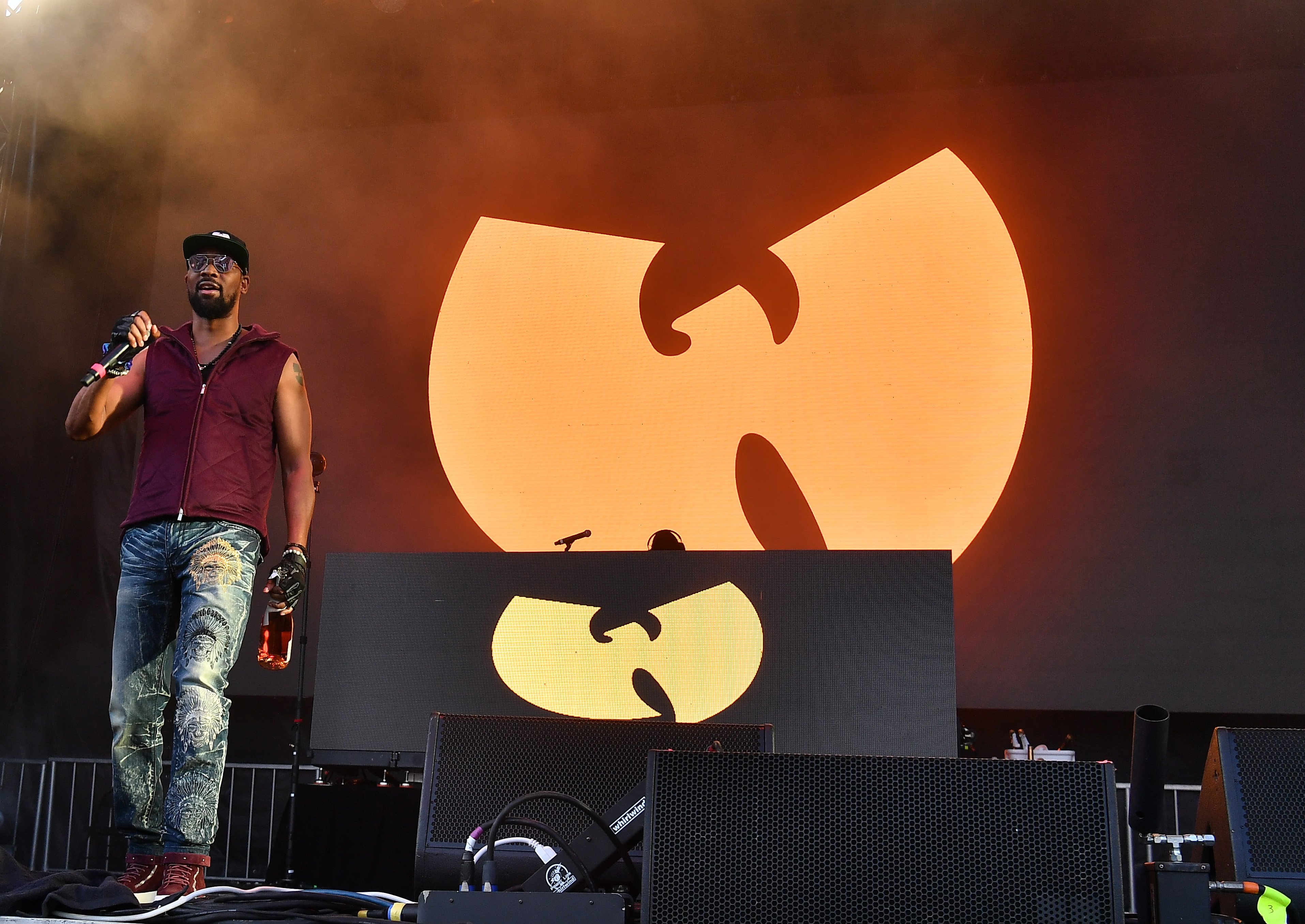
The creation of the Wu-Tang Clan is a celebration of artistry, resilience, and the relentless pursuit of creative expression. As their individual stories merged, the bond between the members solidified, forming a powerful collective destined to leave an indelible mark on hip-hop history.
The Influence of Martial Arts Philosophy
One cannot discuss the creation of Wu-Tang without acknowledging the profound influence of martial arts philosophy on their aesthetic and lyrical content. RZA’s fascination with kung fu films and Eastern philosophy brought forth a distinctive narrative style that permeated the group’s work.
This thematic integration served a dual purpose: it provided an engaging backdrop for their lyrics and allowed them to explore deeper philosophical concepts, such as discipline, internal struggle, and self-actualization. By weaving these ideas into their music, the Wu-Tang Clan created a rich, multifaceted universe for their fans to immerse themselves in.
The use of martial arts imagery not only elevated their brand but also provided a lens through which they could examine the complexities of life in the streets. This fusion of genres transformed hip-hop, creating a new standard for narrative-driven music that resonated with audiences across demographics.
The Collective Sound: Production and Collaboration
At the heart of the Wu-Tang Clan’s emergence was RZA’s groundbreaking production style. His ability to blend samples from old soul and funk records with cinematic scores created a sonic landscape unlike anything heard in hip-hop before.
The meticulous attention to detail in RZA’s production, coupled with the varied styles of each member, resulted in a cohesive sound that effortlessly captured the essence of their collective identity. This innovative approach to production not only defined the Wu-Tang Clan’s early work but also paved the way for future generations of producers to experiment with their sounds.
Collaboration was central to their creative process, as each member contributed unique perspectives and talents. The result was an album filled with contrasting styles and lyrical themes, united under the overarching Wu-Tang philosophy. This dynamic interplay of voices and ideas became a hallmark of their music, allowing for both individual expression and collective coherence.
The Pivotal Moment: Recording Sessions
The recording sessions for Enter the Wu-Tang (36 Chambers) marked a turning point in the formation of the Clan. During this period, the members channeled their experiences and aspirations into a project that would capture the essence of their artistry.
The atmosphere in the studio was electric, fueled by a shared passion for their craft. Every session was an opportunity for exploration and experimentation, as the members pushed each other to reach new heights in their performances. This energy translated into their recordings, resulting in an album that felt raw, authentic, and alive.
As they crafted their debut album, the Wu-Tang Clan solidified their identity as a collective. The culmination of their efforts in the studio not only marked the birth of their dynasty but also ushered in a new era for hip-hop, one characterized by unity, individuality, and creative freedom.
From Staten Island to Global Phenomenon: The Founding of Wu-Tang Clan
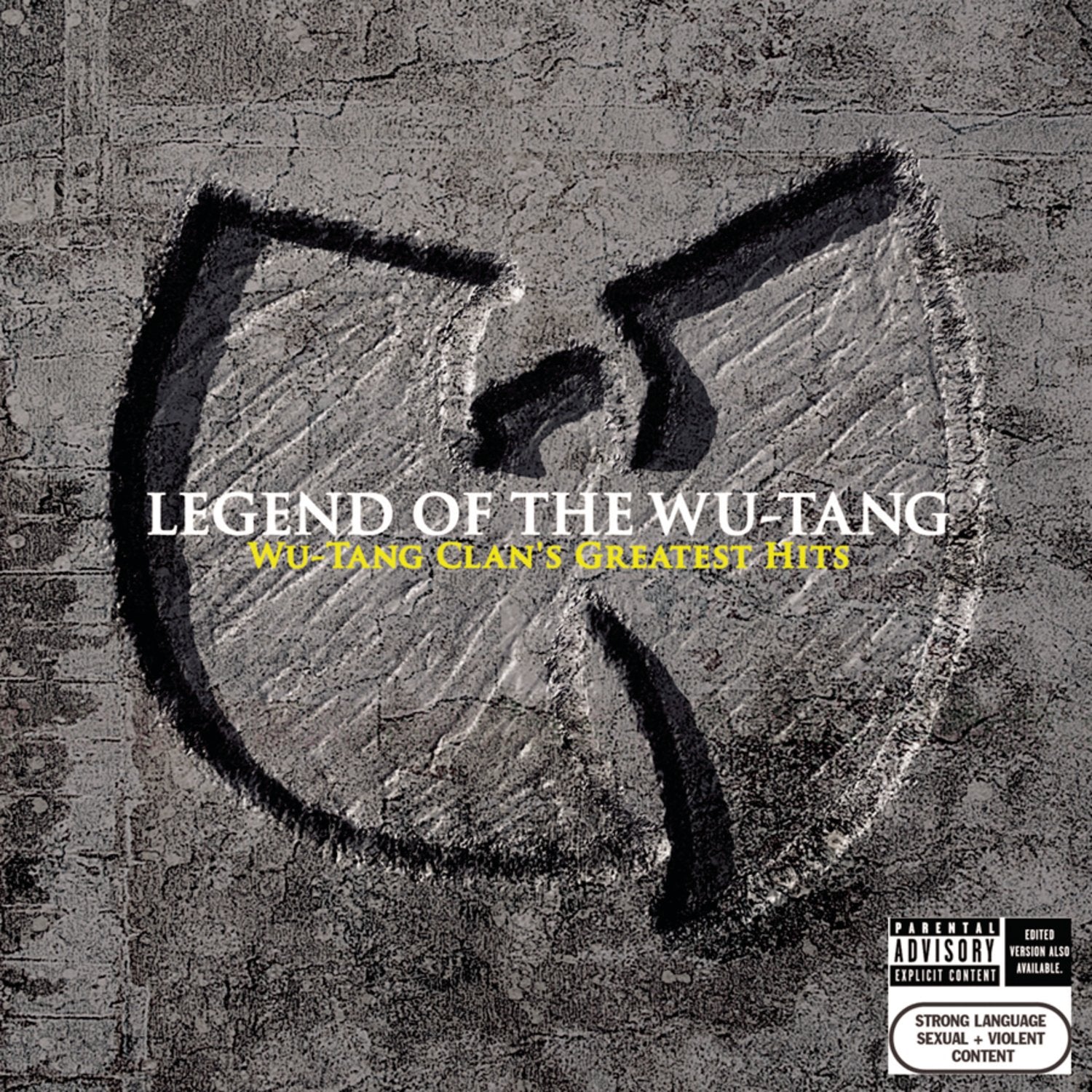
The transition from a local collective to a global phenomenon is a testament to the Wu-Tang Clan’s unparalleled impact on hip-hop culture. Their journey encapsulates the power of music to transcend geographical boundaries and connect people across diverse backgrounds.
Expansion Beyond Staten Island
As the Wu-Tang Clan began to gain traction, they quickly expanded their presence beyond the confines of Staten Island. The release of Enter the Wu-Tang (36 Chambers) opened doors to opportunities previously unimaginable, propelling them onto the national stage.
Their authentic representation of street life resonated with listeners far and wide, establishing a connection that transcended geography. Fans were drawn to their message, finding solace in the raw honesty conveyed through their lyrics. This relatability allowed the Wu-Tang Clan to cultivate a loyal following, paving the way for their ascent into the mainstream.
As they toured and performed, the group’s magnetic energy captivated audiences, transforming them into cultural icons overnight. Their ability to connect with fans solidified their status as pioneers in the hip-hop genre, setting the stage for future collectives to follow in their footsteps.
Breaking Barriers in the Music Industry
The Wu-Tang Clan’s success challenged conventional norms in the music industry, particularly regarding record labels and artist management. By operating independently and maintaining control over their creative direction, they demonstrated that artists could achieve commercial success without compromising their vision.
This independence inspired a wave of artists to pursue similar paths, igniting a movement that emphasized artistic freedom and self-determination. The Wu-Tang Clan became a symbol of empowerment, encouraging musicians to take charge of their careers and challenge the status quo.
Their influence reached far beyond hip-hop, as their entrepreneurial spirit extended into various ventures, including merchandise, film projects, and even video games. This multifaceted approach allowed them to diversify their income streams and reinforce their brand, further solidifying their place in popular culture.
Cultivating a Global Legacy
As the Wu-Tang Clan continued to gain momentum, their legacy grew exponentially. They transcended the confines of hip-hop, becoming cultural ambassadors that represented a unique fusion of music, philosophy, and artistry.
Their impact can be seen in the countless artists who have cited them as an influence, as well as in the resurgence of interest in martial arts and Eastern philosophies within popular culture. The Wu-Tang Clan’s contributions extend beyond music; they’ve left an indelible mark on fashion, language, and even social movements.
By forging a path that integrated individuality with collective strength, the Wu-Tang Clan established a blueprint for future generations of artists to navigate the complexities of the music industry. Their legacy serves as a reminder that creativity, authenticity, and collaboration can revolutionize not just a genre but the entire cultural landscape.
The Year Wu-Tang Clan Emerged: A Timeline of Their Inception

The year 1993 stands as a pivotal moment in the timeline of hip-hop history—the year when the Wu-Tang Clan officially emerged into the spotlight. Understanding the events leading up to this milestone unveils the intricate web of circumstances that contributed to their rise.
The Build-Up to the Breakthrough
While the Wu-Tang Clan’s official formation occurred in 1992, it was the events of 1993 that catapulted them into public consciousness. After months of fine-tuning their sound and honing their lyrics, the group was ready to unveil their artistry to the world.
The release of Enter the Wu-Tang (36 Chambers) on November 6, 1993, marked the culmination of their hard work and dedication. The album’s reception was nothing short of astounding, drawing acclaim from critics and fans alike. Its gritty authenticity and innovative sound reverberated throughout the music industry, signaling the arrival of a force to be reckoned with.
By the end of 1993, the Wu-Tang Clan had established themselves as trailblazers in the hip-hop genre, paving the way for a future where independent artists could thrive and flourish. This year would serve as a defining moment for both the group and the broader landscape of hip-hop.
Key Milestones in 1993
Throughout 1993, several key milestones underscored the Wu-Tang Clan’s emergence. From electrifying live performances to impactful radio play, every moment contributed to their growing reputation.
Performances at local venues and festivals allowed the group to showcase their energetic stage presence, captivating audiences with their dynamic delivery and chemistry. As word spread about their live shows, more fans flocked to witness the spectacle, further enhancing their visibility.
Simultaneously, radio play of tracks like “C.R.E.A.M.” introduced their music to a wider audience, solidifying their status as rising stars. The song’s unforgettable chorus and poignant lyrics resonated with listeners, serving as a reflection of the struggles faced by urban youth.
These milestones intertwined to create a perfect storm of momentum, propelling the Wu-Tang Clan into the hearts and minds of hip-hop enthusiasts across the nation.
The Aftermath: Lasting Impact of 1993
The events of 1993 did not merely signify the beginning of a new chapter for the Wu-Tang Clan; they set off a chain reaction that would shape the trajectory of hip-hop for years to come. The revolutionary approach of the Wu-Tang Clan inspired countless artists to embrace their individuality, explore deeper themes, and challenge the traditional confines of the genre.
As their music spread, so did their influence. The year 1993 marked the beginning of a legacy that continues to resonate, urging artists to seek authenticity and foster collaboration. The Wu-Tang Clan’s ability to integrate personal narratives with a broader cultural critique established a paradigm that remains relevant in contemporary hip-hop discourse.
In looking back at this transformative year, we recognize that 1993 was not just the birth of a collective; it was the inception of a movement that would alter the course of music and culture forever.
The Conception of Wu-Tang: Exploring the Early Days of the Clan
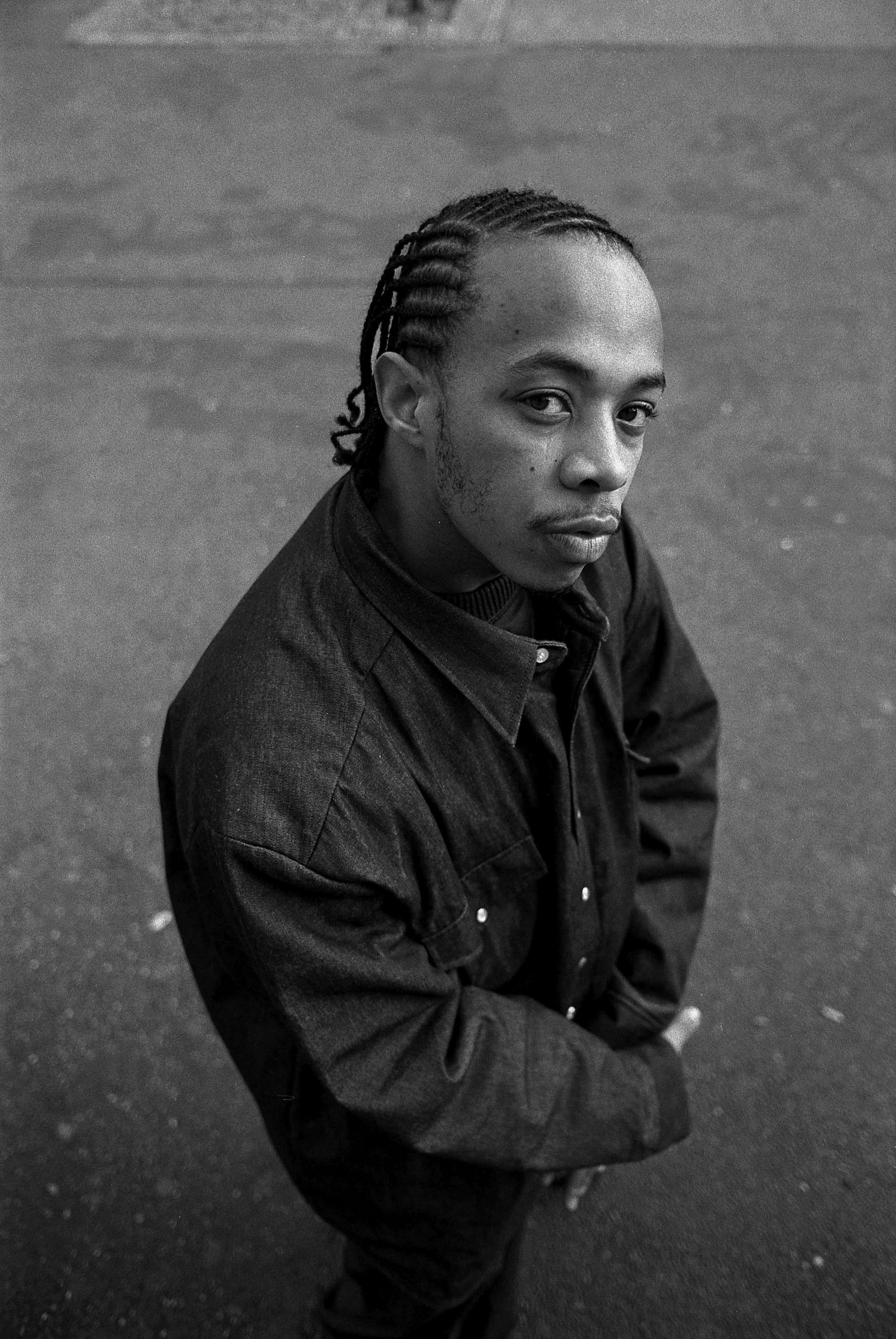
The early days of the Wu-Tang Clan were characterized by experimentation, camaraderie, and a willingness to push boundaries. As they navigated the intricacies of the hip-hop landscape, the foundational principles that would guide them emerged.
The Role of Mentorship and Guidance
During the formative years of the Wu-Tang Clan, mentorship played an essential role in shaping their artistic development. Many members sought guidance from seasoned artists in the hip-hop community, absorbing insights that would inform their craft.
For instance, the influence of figures like Rakim and KRS-One can be seen in the lyrical complexity and delivery styles adopted by the Wu-Tang Clan. These early interactions enriched their understanding of the genre and provided them with invaluable lessons that would prove instrumental in their growth.
Additionally, the members often turned to one another for feedback and support. This collaborative spirit fostered an open environment where creativity flourished, enabling them to evolve as artists while remaining grounded in their collective identity.
The Development of Unique Styles
As each member of the Wu-Tang Clan honed their craft, they discovered and refined their unique artistic identities. Method Man’s charismatic delivery, Ghostface Killah’s emotional depth, and Raekwon’s storytelling prowess all contributed to the rich tapestry of voices within the group.
These unique styles not only enhanced the versatility of their music but also ensured that each member had the space to shine individually while still contributing to the collective. The interplay between differing vocal styles and lyrical themes created a dynamic listening experience that captivated audiences.
Moreover, this diversity became a defining characteristic of the Wu-Tang Clan’s sound, allowing them to seamlessly blend elements of street poetry, humor, and introspection. As they collaborated on tracks, their varying perspectives culminated in a rich narrative landscape that resonated with listeners.
The Collaborative Process: Building the Wu-Tang Sound
The collaborative process that defined the early days of the Wu-Tang Clan was central to the development of their signature sound. Working together in small groups and pairs, members experimented with beats and lyrics, constantly pushing one another to refine their craft.
RZA’s role as the primary producer facilitated this collaboration, as he meticulously crafted a soundscape that complemented the diverse lyrical styles of the group. His penchant for sampling and layering allowed the members to explore different themes, from existential musings to gritty street narratives.
This creative synergy fostered a communal approach to songwriting, ensuring that every member had a stake in the final product. The result was a cohesive body of work that showcased their individuality while reinforcing the notion that they were stronger together.
Through their commitment to collaboration and the cultivation of unique styles, the Wu-Tang Clan laid the groundwork for a musical legacy that would endure for decades to come.
The Catalyst for Wu-Tang: Understanding the Circumstances of Their Formation
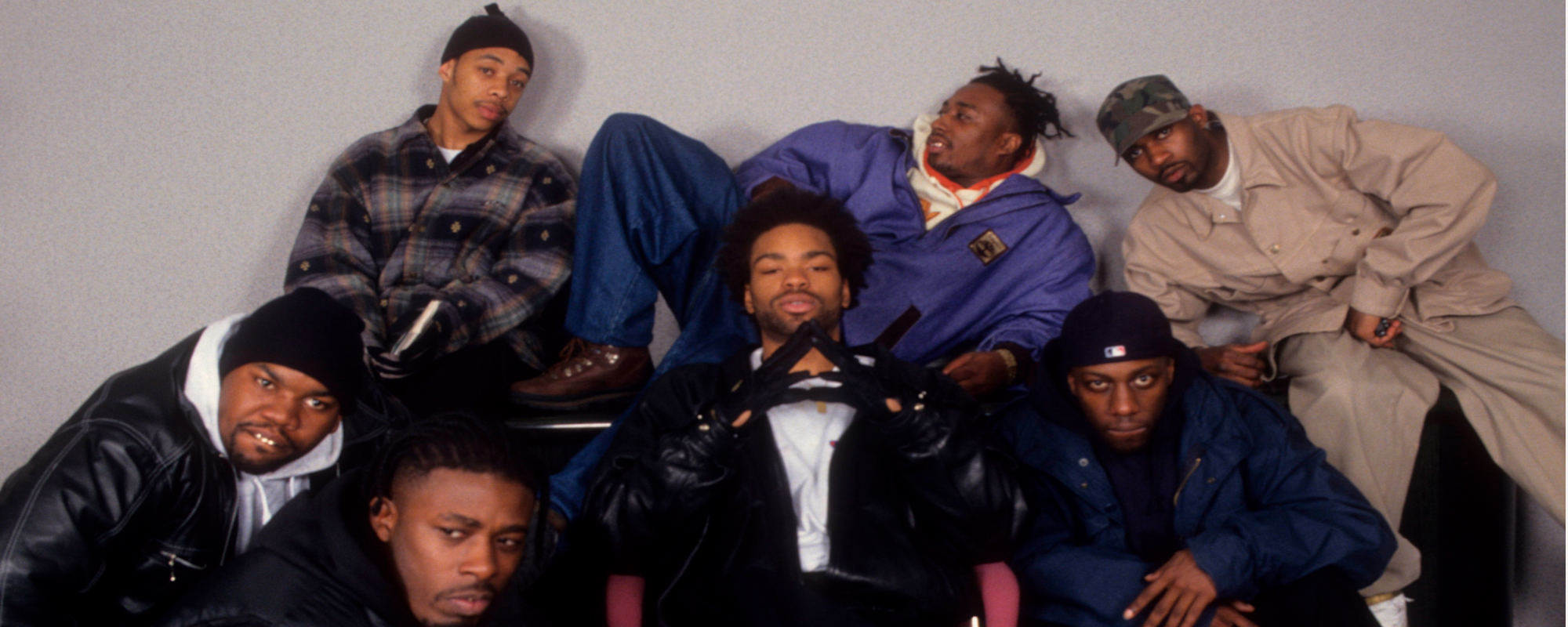
Understanding the circumstances that led to the formation of the Wu-Tang Clan involves exploring both internal dynamics and external influences. The convergence of these factors created a fertile ground for the collective to emerge and thrive.
Economic and Social Challenges
The socio-economic environment of the early 1990s played a significant role in shaping the Wu-Tang Clan’s identity. Many members grew up in challenging circumstances marked by poverty, limited opportunities, and systemic inequalities. These experiences profoundly influenced their artistic expressions and underlying narratives.
By channeling their frustrations and aspirations into their music, the Wu-Tang Clan provided a voice for those often marginalized in society. Their lyrics addressed real-life struggles, offering a glimpse into the complexities of street life while simultaneously highlighting the resilience of the human spirit.
This authenticity resonated deeply with listeners, as fans found solace in the raw honesty presented in their songs. The Wu-Tang Clan became a beacon of hope for many, illustrating that creativity could serve as a powerful means of resistance against adversity.
The Role of the Hip-Hop Landscape
As the hip-hop landscape evolved in the early 1990s, the Wu-Tang Clan emerged at a pivotal moment. The rise of independent artists and collectives created opportunities for groups willing to challenge the status quo and carve their own paths.
This climate of experimentation and innovation emboldened the Wu-Tang Clan to pursue their vision without compromise. They recognized the power of collaboration, pooling their talents to create a sound that defied categorization and set them apart from their contemporaries.
The evolving nature of hip-hop also allowed the Wu-Tang Clan to explore various themes and styles, drawing inspiration from influences outside of traditional rap. Their eclectic approach enabled them to break free from the constraints of genre, leading to the creation of a unique identity that would resonate with fans globally.
The Timing of Their Formation
Timing proved to be a critical factor in the formation of the Wu-Tang Clan. With the music industry shifting towards a focus on authenticity and storytelling, the group’s emphasis on personal narratives and cultural critiques aligned perfectly with the desires of a changing audience.
The late 1990s saw the emergence of a new wave of hip-hop artists who championed individuality and creative expression. The Wu-Tang Clan positioned themselves as pioneers of this movement, showcasing the potential for collectives to wield significant influence within the genre.
By strategically navigating the landscape and capitalizing on the moment, the Wu-Tang Clan solidified their status as legends, leaving an enduring legacy that continues to inspire artists today.
Wu-Tang Clan’s Founding Members: Unveiling the Pioneers of the Clan
At the heart of the Wu-Tang Clan lies a remarkable ensemble of founding members whose individual talents and personalities contributed to the formation of this iconic collective. Each member brought something unique to the table, culminating in a powerful synergy that would propel them to greatness.
RZA: The Architect of Sound
Robert Fitzgerald Diggs, known as RZA, is widely regarded as the architect of the Wu-Tang sound. His visionary approach to production and deep appreciation for martial arts philosophy laid the groundwork for the group’s distinct identity.
RZA’s innovative sampling techniques and ability to blend genres resulted in a sonic landscape that was both fresh and accessible. His meticulous attention to detail allowed him to craft beats that complemented the lyrical prowess of each member, creating a harmonious collaboration that resonated with audiences.
Beyond his role as a producer, RZA served as a guiding force within the group, shaping their vision and facilitating their collective ethos. His leadership and artistic direction played a critical role in the Wu-Tang Clan’s journey from obscurity to global recognition.
GZA: The Master of Lyrics
Gary Grice, known as GZA, is celebrated for his intricate lyricism and profound storytelling abilities. Often referred to as the “Genius,” GZA’s intellectual approach to rap set a high bar for lyrical depth within the collective.
His extensive vocabulary and thoughtful delivery allowed him to weave complex narratives that explored themes of struggle, enlightenment, and the human experience. GZA’s contributions to the Wu-Tang Clan helped elevate their lyrics from mere boasts to profound reflections on society.
His influence can still be felt today, as countless artists cite GZA’s work as a benchmark for lyrical excellence. The clarity and precision of his verses continue to inspire new generations of rappers seeking to elevate their storytelling skills.
Ol’ Dirty Bastard: The Wild Card
Russell Jones, known as Ol’ Dirty Bastard, was a force of nature within the Wu-Tang Clan. His unpredictable energy and eccentric personality added a layer of wildness to the group, contrasting sharply with the more introspective styles of his fellow members.
Ol’ Dirty Bastard’s unique flow, humor, and charisma allowed him to stand out, captivating audiences with his fearless approach to performance. His larger-than-life presence contributed to the group’s appeal, making them relatable to fans who appreciated both authenticity and unpredictability.
Despite his tumultuous life and struggles with addiction, Ol’ Dirty Bastard’s legacy remains an integral part of the Wu-Tang Clan’s identity. His contributions to their music and culture reflect the complexity of the human experience, reminding us of the beauty found in imperfection.
The Remaining Members: A Diverse Collective
The Wu-Tang Clan is made up of several other talented artists, each bringing their own unique styles and experiences. Method Man, with his smooth delivery and charisma, became a beloved figure in hip-hop, while Ghostface Killah’s emotionally charged performances resonated deeply with fans.
Inspectah Deck’s lyricism and sharp wit, Raekwon’s storytelling prowess, U-God’s commanding presence, Masta Killa’s introspective nature, and Cappadonna’s versatility all contributed to the rich tapestry of voices within the group.
Together, these founding members created a collective that embodied the essence of hip-hop—a celebration of individuality, community, and creative expression. Their diverse backgrounds and unique perspectives came together to form an entity that has endured the test of time, leaving an indelible mark on the music industry.
The Seeds of Wu-Tang: Examining the Precursors to the Clan’s Formation
The emergence of the Wu-Tang Clan did not occur in isolation; rather, it was rooted in a series of precursors that laid the groundwork for their eventual formation. Understanding these seeds provides insight into the larger cultural environment from which the Clan emerged.
The Evolution of Hip-Hop in New York City
The hip-hop scene in New York City experienced tremendous growth and transformation during the late 1980s and early 1990s. As genres evolved and new subcultures emerged, artists began to explore various themes, styles, and influences, setting the stage for future collectives like the Wu-Tang Clan.
The rise of underground hip-hop gave way to an explosion of creativity, with artists pushing boundaries and experimenting with different sounds. This environment encouraged collaboration, leading to the formation of collectives that embraced diverse artistic expressions.
The shift towards authenticity and real-life storytelling in hip-hop paved the way for the Wu-Tang Clan to emerge as champions of their own narratives. By embracing their experiences and cultural heritage, they positioned themselves as representatives of a new wave of hip-hop that resonated with audiences seeking deeper connections.
The Influence of Previous Collectives
The Wu-Tang Clan drew inspiration from previous hip-hop collectives that had successfully navigated the challenges of the industry. Groups like N.W.A and A Tribe Called Quest established blueprints for collaboration, paving the way for the Wu-Tang Clan’s emergence.
These collectives demonstrated the power of unity, showing that artists could combine their talents to create something greater than the sum of their parts. By observing and learning from these pioneering groups, the Wu-Tang Clan understood the importance of collaboration and shared vision, ultimately applying those lessons to their own journey.
The Rise of Independent Artists
Amidst the shifting dynamics of the hip-hop landscape, the rise of independent artists began to reshape the industry’s structure. Many creators sought to maintain control over their artistry, rejecting traditional label structures that often stifled creativity.
The Wu-Tang Clan emerged at a time when independent success was becoming increasingly viable. Their decision to operate independently allowed them to explore unconventional avenues for distribution, marketing, and promotion.
By harnessing the power of grassroots movements and building a loyal fan base, the Wu-Tang Clan showcased the potential for artists to thrive outside of traditional frameworks. This independence became a defining characteristic of their identity, empowering others to pursue similar paths and challenge the status quo.
A Look Back at the Dawn of Wu-Tang: When and How the Clan Began
Looking back at the dawn of the Wu-Tang Clan reveals a rich narrative filled with passion, creativity, and resilience. Their journey, marked by pivotal moments and transformative experiences, underscores the significance of their formation in the context of hip-hop history.
The Formation of the Clan
While the members had been collaborating prior to the official formation, it was in 1992 that the Wu-Tang Clan truly coalesced as a collective. The catalyst for this transformation was the RZA’s desire to create a unified group that could amplify their individual strengths.
Gathering their resources and talents, the members began to craft a vision that would set them apart in the competitive world of hip-hop. The name “Wu-Tang Clan” itself, inspired by martial arts and the idea of brotherhood, epitomized their commitment to collaboration and collective identity.
As they delved into their shared experiences, the group felt a deep sense of purpose—a mission to represent their community while redefining the boundaries of hip-hop. This conviction fueled their creativity and determination as they embarked on a journey toward greatness.
Defining Moments Leading to Success
Several defining moments marked the Wu-Tang Clan’s ascent to success. The release of Protect Ya Neck, their first single, served as a rallying point for the collective, capturing the attention of industry insiders and fans alike. The raw energy of the track showcased their unique sound and lyrical depth, setting the stage for their forthcoming album.
Recording sessions for Enter the Wu-Tang (36 Chambers) proved to be another pivotal moment. Fueled by a shared passion for creativity, the members poured their hearts and souls into the project. The resulting album not only solidified their identity as a group but also redefined the possibilities within hip-hop.
As the buzz around the Clan grew, they faced both excitement and skepticism from industry veterans. However, their unwavering commitment to authenticity and artistic expression ultimately triumphed, paving the way for their meteoric rise.
Triumph Over Adversity
The Wu-Tang Clan’s journey has not been without its challenges. Navigating the complexities of the music industry, personal struggles, and societal issues tested their resilience at every turn.
However, instead of succumbing to adversity, the Clan used these experiences to fuel their artistry. By openly addressing their struggles and triumphs in their music, they forged a deeper connection with fans who resonated with their narratives.
This authenticity became their greatest asset, differentiating them from their contemporaries. The Wu-Tang Clan emerged not just as musicians but as ambassadors for a generation grappling with the same issues of identity and self-discovery.
Conclusion
The story of the Wu-Tang Clan is one of individual journeys converging to create a powerful collective. Through their unwavering passion, innovative artistry, and commitment to authenticity, they redefined the landscape of hip-hop and left an indelible mark on music and culture.
From their roots in Staten Island to their emergence as global icons, the Wu-Tang Clan’s legacy serves as a testament to the power of creativity, collaboration, and resilience. As we reflect on the question of when was Wu-Tang Clan created, we recognize that their inception was not merely a date on a calendar; it was a culmination of experiences, influences, and the shared spirit of a group determined to make its mark on the world.
Their journey continues to inspire new generations of artists, reminding us all that the roots of creativity run deep, and that the power of music can transcend boundaries, uniting individuals through shared experiences and artistic expression.
