
No products in the cart.
New
Cozy Up with a Double-Sided Fleece Blanket A Step-by-Step Guide
19
Sep
Sep
Fleece blankets have long been cherished for their warmth and comfort, becoming an essential part of cozy living spaces. But what if you could elevate this staple into something uniquely personal and visually stunning? A double-sided fleece blanket, featuring two contrasting colors or patterns, can add a delightful touch to your home while keeping you snug. In this comprehensive guide, we will explore how to make a double-sided fleece blanket, providing easy-to-follow instructions and creative tips that will inspire you to unleash your inner artisan.
Choosing the Right Fleece Fabric for Your Double-Sided Blanket
Before you begin sewing, selecting the right materials is crucial. The fabric you choose will significantly impact not only the aesthetic but also the functionality of the blanket. Fleece comes in various weights, colors, and patterns, each offering a distinct touch to your creation.
Understanding Fleece Types
Fleece fabrics are available in several types, including polyester fleece, microfleece, and polar fleece.
Polyester fleece, often the most common choice, is warm, lightweight, and durable. It tends to resist pilling, making it a practical option for everyday use. Microfleece, on the other hand, is thinner yet super soft, offering a luxurious feel without being overwhelming.
Polar fleece is thick and plush, ideal for colder weather, but may be too bulky for some projects. When selecting your material, consider the purpose of your blanket. If it’s meant for snuggling on chilly nights, go for a thicker fleece. If it’s more for summer evenings, lighter options might suffice.
Color and Pattern Selection
Choosing colors and patterns adds personality to your double-sided fleece blanket. Complementary colors can create a harmonious look, while contrasting hues can offer visual interest and vibrancy.
When selecting patterns, think about the style you want to convey. Floral prints can exude a cheerful vibe, while geometric shapes offer a modern twist. Remember that the fabric will be viewed from both sides, so aim for designs that work well together.
Quality Matters
Investing in quality fleece fabric makes a difference in both appearance and durability. Look for fleece that feels soft to the touch and has a nice drape. Check for any defects or flaws before purchasing, as these can affect the final product. As you curate your selection, remember that high-quality materials will stand the test of time.
Preparing Your Fleece Fabric for Sewing: Pre-Washing and Cutting

Once you’ve chosen your fleece fabric, it’s time to prepare it for sewing. Proper preparation ensures that your blanket turns out just right and prevents future surprises like shrinkage.
Pre-Washing Your Fleece
Pre-washing the fabric may seem tedious but is an essential step in ensuring your blanket remains beautiful after its first wash. Fleece can retain dye and shrink, so washing it according to the manufacturer’s instructions helps eliminate these issues.
Use gentle detergent and avoid bleach or fabric softeners, which can alter the fleece’s texture. After washing, dry the fabric on low heat or air dry to ensure it maintains its softness.
Measuring and Cutting
To create a stunning double-sided fleece blanket, accurate measurements are key. Decide on the size of your blanket; a standard queen-sized blanket typically requires two pieces of fleece measuring 60 x 90 inches.
Using a measuring tape, mark the dimensions on the fleece with a fabric pen or chalk pencil. Carefully cut along the lines to achieve clean edges. Ensuring both fleece pieces are cut to the same size is vital for an even finish.
Organizing Your Workspace
A clutter-free workspace enhances the sewing experience. Lay out your pre-washed and cut fleece on a flat surface, making sure you have ample room to maneuver as you pin and sew. Having all your tools nearby—scissors, pins, sewing machine, and thread—will streamline the process and keep distractions at bay.
Layering and Pinning Your Fleece Fabrics for a Secure Stitch

With your fleece prepared, it’s time to start layering and securing your fabric pieces for stitching. Proper pinning guarantees that your fabric layers stay aligned as you sew, preventing unwanted puckering.
Aligning Your Fabrics
Place your two pieces of fleece on a clean, flat surface, ensuring the right sides are facing each other and the wrong sides are exposed. This arrangement allows you to sew the seams on the inside, creating a polished exterior.
Take a moment to adjust the alignment of the two pieces, ensuring the edges match up perfectly. This attention to detail will pay off when you showcase your finished blanket.
Pinning Techniques
Use plenty of pins to secure the layers together. Place pins perpendicular to the edge of the fleece, spacing them evenly throughout the blanket. This technique holds the fabric securely without obstructing your sewing path.
If you’re concerned about the fabric shifting, consider using clips instead of pins. These can hold the layers firmly and are particularly useful if you’re working with thicker fleece.
Avoiding Fabric Shifting
Sewing with fleece can lead to slipping or shifting of the layers if not secured properly. To mitigate this issue, you might want to consider using a walking foot attachment on your sewing machine. This tool helps feed the fabric through evenly, reducing the chances of misalignment.
Sewing the Blanket Edges: Straight Stitch or Serger Options

With your layers pinned securely, it’s time to sew! Choosing the right stitch type is crucial for both durability and aesthetics.
Straight Stitch Method
The straight stitch is the most straightforward option for sewing fleece blankets. Set your sewing machine to a medium stitch length and use a 1/2 inch seam allowance. Sew along the pinned edges, removing pins as you go to maintain a clear path.
Be mindful of the fabric’s stretchiness; moving slowly will help you control the fabric better and reduce puckering. Take care around corners by stopping with the needle down, lifting the presser foot, and pivoting the fabric.
Using a Serger
If you have access to a serger, this machine can provide a professional finish. Sergers trim excess fabric while they sew, leaving clean, finished edges. They are particularly useful for stretchy fabrics like fleece, as they allow for more flexibility in the seams.
When using a serger, keep the fabric aligned at the cutting edge for consistent results. This method can also help prevent fraying over time, extending the life of your blanket.
Achieving Consistent Seam Allowance
Regardless of which method you choose, maintaining a consistent seam allowance is critical for a polished look. Measure your seam allowance carefully at multiple points along the blanket to ensure uniformity. An uneven seam can result in a lopsided appearance, detracting from the overall beauty of your creation.
Creating a Finished Edge: Binding, Hemming, or Decorative Stitch
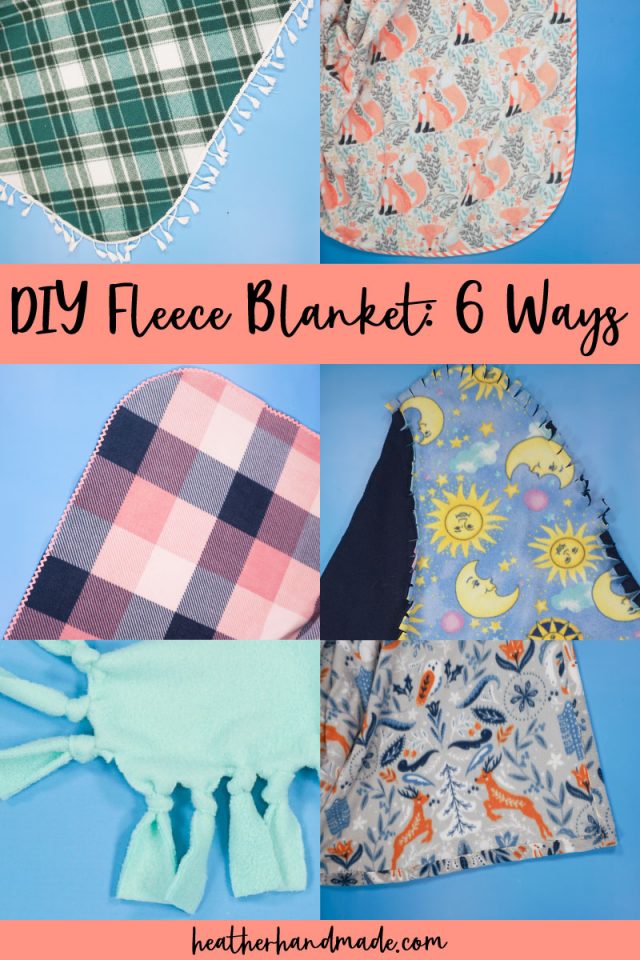
After sewing the edges of your blanket, it’s essential to finish them properly. This step not only enhances the appearance of your blanket but also prolongs its lifespan.
Binding Your Edges
Binding your blanket edges offers a polished and professional finish. Choose a fabric that complements your fleece colors, and cut strips that are approximately 2-3 inches wide.
Attach the binding by sewing it to the raw edges, folding it over the seam, and top-stitching it down. This technique hides any raw edges and provides a neat look while adding durability to your blanket’s structure.
Hemming the Edges
If you’re looking for a simpler approach, hemming your edges is another option. Fold the raw edges inward by about 1/4 inch and press with an iron to create a crease. Then fold again by another 1/4 inch, pin it in place, and sew along the folded edge.
Hemming gives a clean finish without extra bulk, making it suitable for lighter-weight fleece. It’s also a quick way to complete your blanket without worrying about additional binding materials.
Decorative Stitches
For those who wish to infuse a whimsical touch into their blanket, consider adding decorative stitching along the edges. Whether it’s a zigzag stitch, scalloped edge, or even embroidery, these details can enhance the aesthetic appeal of your blanket. Experiment with various stitch patterns on scrap fabric before applying them to your actual blanket to see which one resonates best with your vision.
Adding Extra Touches: Incorporating Patterns or Designs

Creating your double-sided fleece blanket doesn’t have to stop at the basic assembly. Infusing unique patterns or designs adds character and transforms your blanket into a one-of-a-kind piece.
Utilizing Stencils and Fabric Paint
One of the simplest methods to personalize your fleece blanket is by using stencils and fabric paint. Before sewing the two pieces together, lay one side of fleece flat and apply your stencil. Choose designs that resonate with your personality or interests, such as nature illustrations, geometric forms, or quotes.
Let the paint dry completely before proceeding with the sewing process to avoid smudging during assembly.
Embroidering Unique Designs
If you have experience with embroidery, stitching custom designs onto your fleece blanket can elevate its charm. Hand-embroidered accents can range from simple outlines to intricate patterns that showcase your skill. Alternatively, if you own an embroidery machine, you can create elaborate designs with ease.
Embroidery not only enhances the visual appeal but also adds a personal touch that tells a story. Consider embroidering initials, dates, or meaningful symbols that reflect your journey and experiences.
Adding Appliqué Elements
Appliqué is another fantastic way to embellish your blanket. Cut shapes from complementary fabrics and sew them onto your fleece using a straight or zigzag stitch. Appliqué can be playful and fun, allowing you to experiment with colors and textures.
Consider making seasonal or themed appliqués, such as autumn leaves or winter snowflakes, to switch up your blanket’s design throughout the year.
Tips for Sewing Curves and Corners in Fleece

When working with fleece, especially when making a double-sided blanket, mastering curves and corners can significantly enhance the overall look of your project.
Techniques for Sewing Corners
To create sharp corners, stop sewing just before reaching the corner. With the needle down, lift the presser foot and pivot the fabric to align with the next edge. Lower the presser foot and continue sewing. This technique helps maintain a crisp corner rather than a rounded shape.
Another method involves clipping the corners before turning the blanket right-side out. By trimming away excess fabric, you can reduce bulk and achieve cleaner corners upon turning.
Managing Curved Edges
Sewing curved edges can be challenging, but with practice, you’ll gain confidence. When encountering a curve, gently shift the fabric as you sew, allowing it to conform to the desired shape instead of forcing it into place.
Use a longer stitch length for curves to accommodate the fabric’s tendency to stretch. If needed, you can also utilize a basting stitch to hold the fabric in place temporarily before final stitching.
Practicing on Scrap Fabric
Before working on your main blanket, practice sewing curves and corners on scraps of fleece. This exercise allows you to gain familiarity with the fabric and refine your techniques without the pressure of ruining your project.
Troubleshooting Common Problems While Sewing Fleece

Even seasoned sewers encounter challenges while working with fleece. Knowing how to troubleshoot common problems will enhance your sewing experience and keep frustrations at bay.
Dealing with Puckering
Puckering is a common issue when sewing fleece, often caused by inconsistent tension or feeding of the fabric. To minimize puckering, use a walking foot attachment on your sewing machine, as it helps evenly distribute the fabric as you sew.
Additionally, adjusting the tension settings on your machine can alleviate this problem. If puckering occurs, don’t panic; try gently steaming the seams once finished to smooth them out.
Handling Fabric Shifting
Fabric shifting is another challenge encountered while sewing fleece. To prevent this, use a combination of pins and clips to secure your layers tightly. If you notice the fabric still shifts, consider basting the layers together with long, loose stitches before final sewing.
Keep your sewing speed steady, and avoid pulling the fabric as you sew. Maintaining control over both layers is essential for an even finish.
Fixing Uneven Seams
Uneven seams can occur due to misalignment, careless pinning, or inconsistent seam allowances. If you discover that your seams are not straight or even, take a moment to assess where the issue lies.
You can carefully rip out the offending stitches with a seam ripper and re-sew that section. Alternatively, if the unevenness is minor, you can disguise it with decorative stitching or binding.
Caring for Your Handmade Double-Sided Fleece Blanket
Congratulations! You’ve created a beautiful double-sided fleece blanket that deserves proper care to maintain its quality and softness.
Washing Instructions
To ensure the longevity of your blanket, follow specific washing instructions. Typically, fleece should be washed in cold water with mild detergent to preserve its fibers.
Avoid using bleach or fabric softeners, as they can damage fleece. Instead, opt for a gentle cycle and tumble dry on low heat. Air drying is also an excellent option to maintain the fabric’s integrity.
Storing Your Blanket
When storing your fleece blanket, keep it in a cool, dry space, preferably folded neatly. Avoid hanging it on hooks, as this may cause stretching over time. Consider placing it in a breathable storage bag if you plan to store it for an extended period, protecting it from dust and wear.
Refreshing Your Blanket
Over time, your fleece blanket may gather lint or pet hair. To refresh its appearance, consider using a lint roller or fabric shaver to remove debris. If it requires a deeper clean, wash it according to the care instructions mentioned above.
Inspiration and Ideas for Double-Sided Fleece Blanket Designs

Now that you’ve mastered the art of creating a double-sided fleece blanket, it’s time to unleash your creativity! Here are some design ideas and inspirations to fuel your imagination.
Seasonal Themes
Create multiple blankets representing different seasons. Use bright florals for spring, beach vibes for summer, earthy tones for autumn, and cozy patterns for winter. This versatility allows you to enjoy your handmade blankets all year round.
Personalized Gifts
A custom double-sided fleece blanket makes a thoughtful gift. Personalize it for loved ones by incorporating their favorite colors, patterns, or even embroidered names.
Handmade gifts convey thoughtfulness and love, making them cherished keepsakes for years to come.
Family and Pet Blankets
Design blankets specifically for family members or pets. Use vibrant colors and playful patterns that reflect their unique personalities. You can also create matching sets for a coordinated look.
Quilted Variations
For a more advanced project, consider creating a quilted version of your double-sided fleece blanket. Incorporate batting between the layers and sew a pattern, adding depth and texture for a stunning result.
Conclusion
Creating your double-sided fleece blanket can be an incredibly fulfilling and rewarding project. With the knowledge and techniques outlined in this guide, you’re equipped to craft a cozy and unique masterpiece that reflects your personality and style.
Embrace your creativity as you explore colors, patterns, and textures to transform ordinary fleece into something extraordinary. Gather your materials, put on your favorite tunes, and dive into the joy of crafting a blanket that will keep you warm for years to come. Now that you’ve learned how to make a double-sided fleece blanket, it’s time to start sewing and enjoy every stitch!
