
No products in the cart.
New
How Much to Spend on a Teacher Christmas Gift Finding the Right Balance

19
Sep
Sep
The holiday season brings a unique opportunity to express gratitude and appreciation, particularly towards the teachers who dedicate themselves to shaping young minds. As parents, we often grapple with the question of how much to spend on teacher Christmas gifts. Striking the right balance can be challenging—too little might not feel adequate, while too much could potentially create discomfort. This article aims to illuminate the nuances of teacher gift-giving, helping you navigate the complexities of school dynamics, personal finances, and thoughtful intentions in selecting the perfect token of appreciation.
Determining the Appropriate Budget for Teacher Christmas Gifts
Establishing a budget is one of the foremost steps in the decision-making process regarding how much to spend on a teacher Christmas gift. Financial considerations vary widely from family to family, making it imperative to define a comfortable spending range that reflects both your appreciation and your financial situation.
Creating a budget takes careful thought and consideration.
Assessing Your Financial Situation
Before diving into gift ideas, take stock of your financial circumstances.
Consider how much you can comfortably allocate to this gesture without straining your budget. Factors such as upcoming expenses, savings goals, and other holiday obligations should inform your decision. While the intention behind the gift is paramount, it’s essential to select something within your means to avoid any residual stress or regret.
Moreover, gauging your comfort level with spending is crucial. A heartfelt gift doesn’t necessarily have to come with a high price tag; it’s often the thoughtfulness behind the gift that resonates more than its monetary value. Once you’ve evaluated your finances, set a clear spending limit that aligns with your values and comfort zone.
Understanding School Policies and Guidelines
Navigating school policies surrounding teacher gifts can significantly impact your budget decisions.
Many schools have particular rules about the nature and value of gifts that teachers can accept. Some institutions may prohibit cash or gift cards altogether, while others might allow modest gifts but discourage anything extravagant. Familiarizing yourself with these guidelines ensures you remain respectful and compliant while navigating the landscape of teacher appreciation.
If you’re unsure about what the policies entail, consider reaching out to the school’s administration or your child’s teacher directly. Open communication can provide clarity and foster goodwill, allowing you to make informed choices.
Evaluating the Class Context
Understanding the context of your child’s classroom is vital as you determine your budget.
Take notice of how other parents approach gift-giving during the holidays. Are they opting for individual gifts or pooling their resources for a group present? Aligning your approach with the class’s overall sentiment helps maintain harmony among parents and avoids potential feelings of rivalry or awkwardness.
By evaluating the classroom atmosphere, you can also gather insight into typical spending ranges, which can ultimately guide your decision-making process.
Teacher Gift Etiquette: Finding the Sweet Spot Between Gratitude and Extravagance
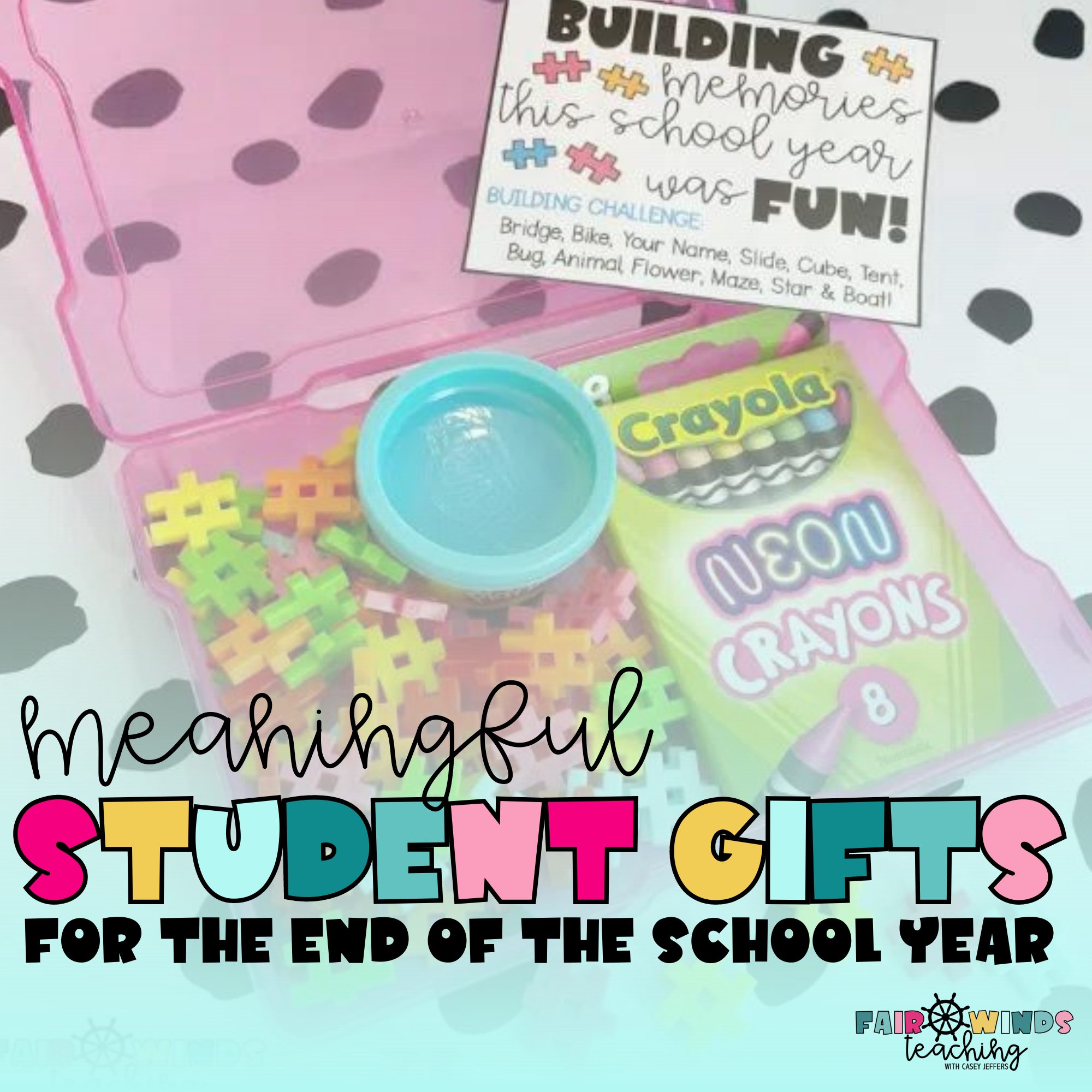
Gift etiquette encompasses social norms and expectations surrounding gift-giving, ensuring that teachers feel appreciated rather than overwhelmed by the gesture. The goal is to convey gratitude without crossing boundaries or creating discomfort among fellow parents.
Emphasizing Thoughtfulness Over Cost
In the realm of teacher gifts, it’s essential to prioritize thoughtfulness over mere expense.
A meaningful, personalized gift often speaks volumes more than an expensive item. Consider what would resonate with your child’s teacher based on their personality and passions. They might appreciate a heartfelt card accompanied by a small gift rather than an elaborate present that feels impersonal.
Moreover, engaging your child in the gift creation process can deepen the sentiment. Ask them for input or even encourage them to create something special, like a drawing or a crafted note. This collaborative effort allows them to express their gratitude in a personal way.
Navigating Social Dynamics Among Parents
Navigating the social dynamics among parents can be tricky, especially when it comes to gift-giving.
The pressure to conform to perceived standards can be daunting. Keep in mind that every family’s financial situation is different, and everyone has their own reasons for choosing specific gifts. Openly discussing approaches with other parents can alleviate pressure and ensure everyone feels comfortable participating in the festive spirit without feeling burdened.
Additionally, participating in group gifts can help mitigate this issue. By collectively deciding on a suitable gift, all parents can contribute according to their comfort levels and share in the joy of expressing gratitude.
Recognizing Cultural Sensitivities
Cultural sensitivities play a significant role in the gift-giving process.
Different cultures possess distinct customs and traditions related to gifts. For instance, some cultures may view certain types of gifts differently, whether they consider them inappropriate or overly generous. Being aware of these cultural nuances respects the diversity present in our educational environments.
If you’re uncertain about appropriate practices, taking the time to research cultural perspectives on gift-giving can aid in making informed decisions that honor everyone’s values.
Classroom Gift Guides: Ideas & Spending Recommendations for Teachers

To assist you in determining how much to spend on a teacher Christmas gift, creating a spectrum of gift ideas along with associated spending ranges can facilitate thoughtful choices.
Budget-Friendly Options (Under $25)
For those looking for more affordable options, many thoughtful gifts won’t break the bank.
Gifting a simple yet meaningful present shows appreciation without overwhelming your budget.
- Gift Cards: A small gift card to a local coffee shop or bookstore can convey warmth and respect, allowing teachers to enjoy a treat or purchase supplies.
- Personalized Items: Mugs, water bottles, or stationery customized with the teacher’s name or a quote can add a personal touch while remaining practical.
- Handmade Gifts: Encourage your child to create a handmade card or craft to express gratitude personally. These gestures often resonate on a deeper level and allow children to engage meaningfully.
These budget-friendly options are wonderful ways to extend your appreciation without stretching your financial limits.
Mid-Range Options ($25-$50)
If your budget allows for a mid-range gift, several delightful selections still retain a personal touch.
- Gift Cards to Larger Retailers: Offering a gift card to stores like Target or Amazon can give teachers the flexibility to purchase materials, books, or personal items they desire.
- Classroom Supplies: Teachers often invest their money into classroom supplies. Gifting essentials such as markers, notebooks, or organizational tools can support their needs.
- Experience Gifts: Consider gifting experiences, such as tickets to a local event or a subscription box tailored to their hobbies or interests, allowing teachers to unwind and indulge.
Opting for these mid-range gifts balances thoughtfulness and practicality while showcasing your appreciation.
More Generous Options (Over $50)
For those who wish to express their gratitude more lavishly, a few generous gift ideas can stand out.
- Group Gift for the Entire Staff: Pooling resources with other parents can lead to substantial gifts that benefit the entire teaching team. Consider contributing toward a larger gift card for a spa day or meal at a nice restaurant.
- High-Quality Desk Accessories: Elegant desk organizers or high-quality pens can enhance a teacher’s workspace while providing a touch of sophistication.
- Charitable Donations: If you know of a charity that holds significance for your child’s teacher, consider donating in their name. This thoughtful gesture reflects appreciation while giving back to the community.
These generous options celebrate educators’ hard work and dedication, allowing you to show gratitude in a meaningful way.
Factors Influencing Teacher Gift Spending: Class Size, Grade Level, and Personal Connection

When contemplating how much to spend on a teacher Christmas gift, various factors can influence your decision. Class size, grade level, and your personal connection with the teacher all play significant roles in shaping your approach.
Class Size Considerations
The number of students in a class can heavily influence how parents decide to approach gift-giving.
In larger classrooms, contributing to a group gift often emerges as a popular solution. It alleviates the burden of individual spending while fostering camaraderie among parents. Also, a collective effort can result in a more substantial and meaningful gift for the teacher.
Conversely, in smaller classes, individual gifts may seem more fitting and feasible, allowing each student to express their appreciation uniquely.
Grade Level Insights
Grade level can also dictate the nature and volume of gifts received.
Teachers working with younger children often receive more gifts due to heightened parental involvement. In contrast, teachers in higher grades may witness fewer gifts, which can reflect a shift in expectations as students mature. Understanding this dynamic will help guide your efforts while being mindful of classroom trends.
Personal Connections Impacting Your Approach
Your relationship with your child’s teacher profoundly influences how you choose to show appreciation.
If you’ve established a strong rapport with the teacher, a slightly more generous gift may feel warranted. However, it’s essential to ensure that your gesture doesn’t appear as favoritism or create discomfort among other parents.
Using your observations and insights about the teacher’s preferences can guide you in making a thoughtful choice that reflects your appreciation while honoring classroom dynamics.
Affordable Teacher Gift Ideas: Creative & Thoughtful Presents Without Breaking the Bank

Even with a tight budget, countless creative and meaningful gift ideas express gratitude towards teachers effectively.
Homemade Treats and Crafts
Encouraging your child to create homemade treats, crafts, or artwork can cultivate a sense of pride in their gift-giving efforts.
- Baked Goods: Baking cookies or treats together can foster quality family time while crafting a delicious gift. Presenting them in a beautifully decorated box adds a personal touch.
- Craft Projects: Creative projects, like hand-painted ornaments or decorations, provide an artistic outlet for your child and allow them to give a one-of-a-kind gift that reflects their talents.
Practical Yet Personalized Gifts
Opting for practical gifts enhances the likelihood that teachers will appreciate and utilize them daily.
- Stationery Sets: Quality stationery or notebooks can be useful for lesson planning or personal use. Personalizing them with the teacher’s name or initials creates an extra layer of thoughtfulness.
- Plants or Succulents: Gifting a small plant can brighten a teacher’s classroom or home. It symbolizes growth and appreciation—the perfect metaphor for the educational journey!
These affordable gift ideas demonstrate that meaningful expression of gratitude can come at any budget, promoting creativity and thoughtfulness over extravagance.
Gift Cards with a Personal Touch
Even low-value gift cards can convey sincere appreciation when presented thoughtfully.
- Creative Presentation: Instead of simply handing over a gift card, consider crafting a personalized holder or envelope adorned with your child’s artwork or a heartfelt note.
- Accompanying Notes: Including a thoughtful card can add depth to the gesture, allowing you to express gratitude and recognition for the teacher’s hard work.
Presenting gift cards creatively ensures that even small amounts feel significant and appreciated.
Group Gift Strategies: Maximizing Impact and Reducing Individual Costs

Organizing group gifts can serve as a valuable strategy for parents wishing to maximize the impact of their gesture while minimizing individual costs.
Coordination and Communication
Effective coordination among parents lays the groundwork for successful group gift initiatives.
Establishing a point person to manage communications can streamline the process, ensuring clarity on contributions and preferences. A group message or email chain allows parents to stay connected and informed throughout the planning stages.
Setting a Budget Together
Agreeing upon a budget for the group gift facilitates transparency and encourages participation.
Discuss individual comfort levels before determining a collective amount. This ensures everyone can contribute without feelings of pressure and fosters inclusivity among parents.
Selecting the Ideal Gift Collectively
Collaboratively selecting the ideal gift promotes unity among parents while ensuring the final decision meets the collective sentiments of the group.
Consider gathering suggestions from all participants and voting on a preferred option. Keeping an open mind can lead to fruitful discussions and enhance the final choice, resulting in a memorable token of appreciation that honors the hard work of educators.
The Impact of Teacher Gifts: Understanding the Significance of Appreciating Educators

Gift-giving offers an opportunity to affirm the importance of teachers in our children’s lives, ultimately enhancing the educational experience.
Boosting Teacher Morale
Receiving a thoughtful gift can uplift a teacher’s spirits, reinforcing their commitment to educating with passion and enthusiasm.
Knowing that their hard work is acknowledged serves as a potent motivator, enhancing job satisfaction. Teachers dedicate extensive hours to their students, and a small gesture of gratitude can go a long way in validating their efforts.
Strengthening the Teacher-Parent Relationship
Gift-giving provides a platform for fostering strong connections between parents and teachers.
Thoughtful presents signify mutual respect and appreciation, contributing to a positive, collaborative environment. When parents and teachers work together harmoniously, the overall educational experience becomes enriched, ultimately benefiting students.
Promoting a Culture of Appreciation
When appreciation for educators becomes a shared norm within a school community, it cultivates a culture that values and respects the profession.
As parents participate in recognizing teachers through acts of kindness and gratitude, it sets a precedent for future interactions. This culture enriches the educational environment, encouraging teamwork and collaboration.
Gift-Giving Dos and Don’ts: Navigating the Holiday Season with Respect and Consideration

As you navigate the world of teacher gift-giving, adhering to a set of dos and don’ts can help you strike the right balance between appreciation and respect.
Do Prioritize Thoughtfulness
Always prioritize thoughtfulness over cost when selecting gifts for teachers.
A carefully considered present that reflects the teacher’s personality or interests demonstrates your awareness and appreciation of their efforts.
Do Communicate Openly
Maintaining open communication with fellow parents and school staff fosters inclusivity.
Discussing gift plans can alleviate unnecessary pressure and ensure everyone feels comfortable participating. This collaborative approach can strengthen connections among families and create a supportive environment.
Don’t Overspend or Create Pressure
It’s essential to avoid creating an environment where parents feel pressured to overspend.
Gifts should be voluntary and genuine expressions of gratitude rather than competitive gestures. Respecting individual capabilities is key to ensuring everyone’s comfort and inclusivity.
Don’t Forget the Importance of a Thank You Note
In addition to physical gifts, don’t underestimate the power of a heartfelt thank-you note.
Encourage your child to write a personal message expressing their appreciation for the teacher’s influence. This simple gesture can leave a lasting impact, conveying sincere gratitude beyond material gifts.
Creative Alternatives to Traditional Teacher Gifts: Experiences and Charitable Donations

While tangible gifts are common, exploring alternative options can offer fresh ways to show appreciation.
Experience Gifts
Gifting experiences instead of traditional material items can create unforgettable memories.
Consider presenting your child’s teacher with a gift certificate for a local event, concert, or art class. This thoughtful gesture allows them to unwind, explore new interests, and enjoy leisure time outside the classroom.
Charitable Donations in Their Name
Donating to a charity that resonates with the teacher can serve as a powerful tribute to their values.
If you know of a cause that holds meaning for them, consider making a donation in their name. This thoughtful act exemplifies appreciation while positively impacting others, showcasing a shared commitment to community well-being.
Organizing Classroom Activities
Instead of conventional gifts, consider organizing a fun classroom activity or outing for the students.
Planning a special party or field trip allows everyone to partake in an enjoyable experience while acknowledging the teacher’s efforts. It fosters a sense of unity within the classroom and empowers students to show appreciation collaboratively.
When Less is More: Understanding When a Simple Thank You Note is Sufficient

Sometimes, a heartfelt thank-you note can carry more weight than extravagant gifts.
Expressing Gratitude Through Words
Encouraging your child to articulate their appreciation in a handwritten note can have profound effects.
A personalized message detailing specific instances where the teacher made a difference in their learning journey showcases genuine gratitude. This heartfelt gesture encapsulates the essence of appreciation, demonstrating that words can indeed hold immense power.
Timing Matters
Timing plays a crucial role in the effectiveness of thank-you notes.
Sending a note at the end of the school year or after particular milestones reinforces the teacher’s impact on your child’s development. Expressing gratitude when it’s most relevant strengthens the sentiment and emphasizes the importance of their role in your child’s education.
Recognizing Efforts Beyond Gifts
As parents, it’s essential to acknowledge that teachers appreciate recognition beyond tangible gifts.
Positivity and encouragement can manifest in simple gestures like smiles, compliments, and kind words. Fostering an environment of gratitude and respect benefits everyone involved, further enriching the educational experience.
Conclusion
Finding the right balance in how much to spend on a teacher Christmas gift can indeed be a nuanced endeavor. Each family’s financial circumstances, classroom dynamics, and individual relationships with educators shape the ultimate decision. As we navigate the holiday season, let us prioritize thoughtfulness and sincerity over monetary value, acknowledging the invaluable contributions of teachers. Whether you opt for a simple card, a creative gift, or a collective expression of gratitude, remember that the sentiment behind the gesture often holds far greater significance than its price tag. Ultimately, celebrating our teachers through meaningful tokens of appreciation fosters a stronger connection within our educational communities and enriches the lives of students and educators alike.
