
No products in the cart.
New
Decoding the Dog Tag What Your Canine Companion Needs to Wear
Your furry friend, your loyal companion, your beloved dog – they deserve the best, right? And that includes ensuring their safety and well-being, even when they’re exploring the world beyond your fence. One crucial element of responsible dog ownership is equipping your canine companion with the proper identification: dog tags. While a cute, personalized tag might seem like a simple accessory, it’s a lifeline in various scenarios, from a lost puppy to a life-threatening emergency. This comprehensive guide dives deep into the world of dog tags, exploring the different types, crucial information to include, and the importance of choosing the right tag for your furry best friend. By the end of this article, you’ll be well-equipped to choose the perfect tags that offer both safety and style for your canine companion.
Essential Tags for Your Canine Companion

Dog tags are a fundamental aspect of canine companionship that goes beyond mere aesthetics. They play an essential role in identifying your pet, ensuring their safety, and even facilitating their return in case they wander off. As a responsible dog owner, understanding what tags your dog should wear is paramount.
Additionally, as dogs engage in various activities, whether it’s a casual stroll in the park or a rambunctious day at the doggy daycare, having the correct tags can significantly reduce anxiety for both you and your furry friend. The right tag acts not just as identification but as a powerful reminder of the bond shared between you and your dog.
Understanding the vital components of dog tags ensures that you are not only compliant with local laws but also enhancing your dog’s chance of a safe return. With countless options available in the market today, selecting the right tag becomes an empowering decision driven by your knowledge of your dog’s needs and lifestyle.
Understanding the Importance of Tags
At first glance, dog tags may appear to be insignificant accessories. However, their importance cannot be overstated. These small pieces of metal or plastic serve as a critical link between lost pets and their owners, acting as a beacon of hope in stressful situations.
When considering what tags should my dog wear, it’s essential to recognize that these tags can lead to swift reunions. Many dog owners have experienced the heart-wrenching moment of realizing their dog has slipped out of sight. A clear, visible dog tag provides a quick way for others to help.
In times of emergencies, such as if your dog were to get injured, their tags could provide critical medical information. For instance, tags that indicate allergies or medical conditions can help veterinarians respond effectively, potentially saving your dog’s life.
Legal Requirements for Dog Tags
In many regions, having a dog tag is a legal requirement, which underscores their significance. Local ordinances often dictate that all dogs must wear a tag that displays the owner’s current contact information. This helps prevent the accumulation of stray animals and fosters a more community-oriented approach to pet ownership.
Failing to comply with these regulations can lead to fines or additional penalties, further highlighting the necessity of dog tags as both a practical and legal measure. Keeping your dog tagged is not merely about aesthetics; it’s about fulfilling an obligation as a responsible pet owner who cares for their pet’s welfare.
Identifying Your Dog: The Importance of Tags
Identification is an intrinsic component of responsible pet ownership, serving as a line of communication between your pet and potential finders. Dog tags are the most common form of identification and are crucial for reuniting lost pets with their families.
Consider, for instance, the panic that ensues when a beloved dog goes missing. In those moments of sheer terror, the last thing any dog owner wants to feel is hopelessness. Tags that contain accurate and readily accessible contact information become vital tools that can turn despair into relief.
Moreover, tags not only represent your commitment to your dog’s safety but also indicate to the wider community that your furry friend is loved and cared for. They serve as a reminder that behind every wagging tail is a family member longing to return home.
The Emotional Connection
The emotional connection that exists between a dog and its owner is profound. Having a form of identification that reflects this bond adds another layer of security. Including personal touches, such as your dog’s name or a quirky design, can make the tag feel more intimate.
This personalization can also foster a sense of familiarity for your pet. When someone finds them and sees the name on their tag, it establishes a connection that can aid in calming the dog, promoting cooperation in getting them back home.
The emotional aspect of tagging can’t be overlooked. It enhances the human-animal bond by reinforcing that your dog is not just a pet; they are a cherished member of your family. Tags become symbols of love, loyalty, and responsibility.
The Consequences of Not Having Tags
Failing to provide your dog with an appropriate tag can have dire consequences. Many dogs end up in shelters simply because they lack identification. Without tags, there is a significant risk that a lost dog may not find its way back home, leading to extended periods of uncertainty and heartbreak for loving families.
Moreover, consider the scenario where your dog has an accident or gets lost while on vacation. Without a robust identification system in place, finding your dog becomes exponentially harder, adding layers of stress during an already traumatic experience.
Neglecting to equip your dog with identification tags is not just a minor oversight; it’s a lapse in responsibility that can have lasting repercussions. Ultimately, investing in proper tags is a preventative measure that pays dividends in peace of mind.
Types of Dog Tags: Choosing the Right One
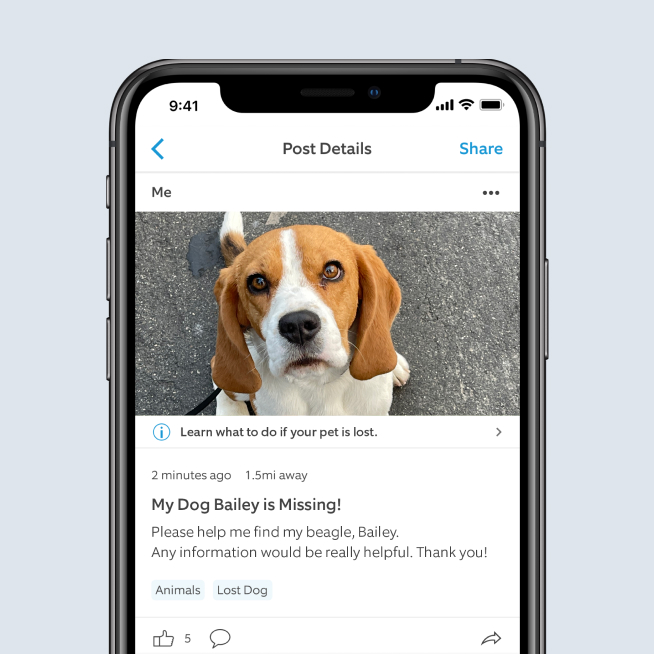
The market boasts a plethora of dog tag options, each designed to cater to diverse needs and preferences. Selecting the right type involves considering your dog’s personality, activity level, and lifestyle, as well as your aesthetic inclinations.
Each type of dog tag comes with its own advantages and disadvantages, which can impact your choice. Common materials include metal, plastic, and silicone, with designs ranging from simple engravings to intricate customizations.
Recognizing the types available and weighing their pros and cons will allow you to make an informed decision about what tags should my dog wear.
Metal Tags
Metal tags have long been regarded as the classic choice for dog identification. Typically made from durable materials like stainless steel, brass, or aluminum, they boast longevity and resistance to wear. Their durability makes them particularly suitable for active dogs who engage in outdoor adventures.
Metal tags can be easily engraved with varied information, including names, phone numbers, and addresses. They often come in numerous shapes and sizes, allowing for personal expression.
One notable downside, however, is that some dogs may develop skin irritations due to certain metal alloys. If your pet has sensitive skin, it may be worth considering alternative materials to avoid discomfort.
Plastic or Nylon Tags
Plastic or nylon tags offer a lightweight alternative to their metal counterparts. These tags usually come in vibrant colors, making them visually appealing and easy to spot. They can be an excellent option for dogs who tend to chew or scratch, as they are less likely to cause discomfort.
However, it’s important to note that plastic tags may not endure as long as metal ones. The engraved information could fade over time, requiring replacements sooner than expected.
Ultimately, these tags offer a balance of affordability and functionality, making them an attractive choice for many dog owners.
Silicone Tags
Silicone tags, a recent innovation, present a soft, flexible, and waterproof option for dog identification. This material is hypoallergenic and thus ideal for dogs with sensitive skin. Their flexibility allows them to mold comfortably against your dog’s neck.
While silicone tags can withstand elements better than some other materials, their durability in terms of engraving varies based on quality. Investing in high-quality silicone tags ensures that essential information remains intact for an extended period.
These tags offer a modern twist on traditional dog tags and can be stylishly customized, contributing to their growing popularity among pet owners.
Information to Include on Your Dog’s Tags
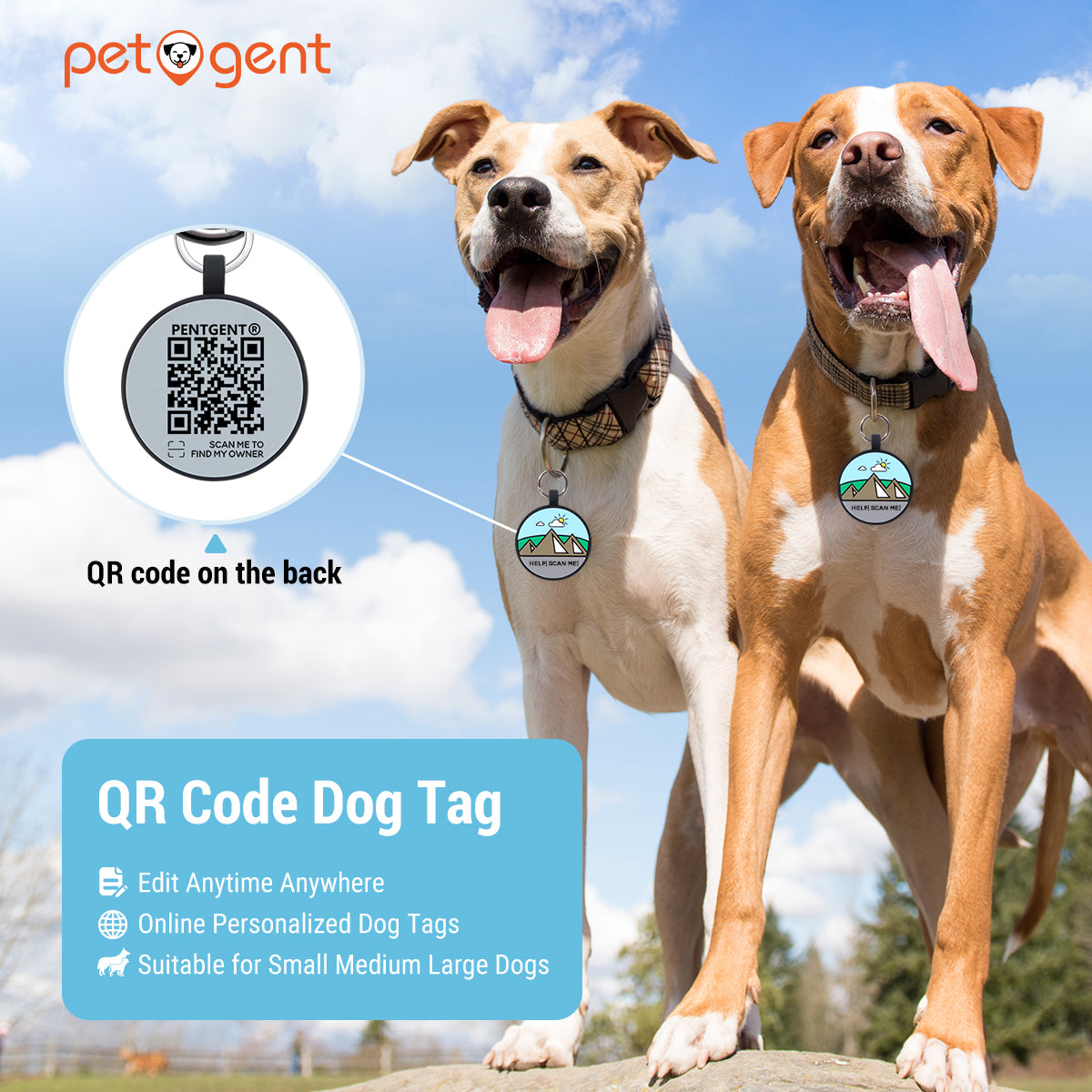
What you put on your dog’s tags is just as important as the physical attributes of the tags themselves. Providing relevant and concise information increases the likelihood of a successful reunion in the event your dog becomes lost.
In the following sections, we’ll explore the critical components you should consider including on your dog’s tag to ensure they remain identifiable and facilitate a swift return home.
Essential Contact Information
The most important information to include on your dog’s tag is undoubtedly your contact details. A current and easily readable phone number should be prioritized, enabling anyone who finds your pet to reach you effortlessly.
Some dog owners opt to use a secondary contact or a trusted friend or family member’s number, particularly if they frequently change phones. This is a valuable strategy that can help mitigate the risk of miscommunication.
Including your dog’s name can also create a connection with the finder, prompting them to engage with your pet in a friendly manner. While it’s less critical than contact information, it can help promote a sense of familiarity.
Address Considerations
Adding a full address to your dog’s tag can be a controversial topic. While some people argue that providing a complete address is essential for immediate identification, others express concern over privacy and safety.
If you choose to include your address, consider only adding a general area code or city to maintain a level of security while still providing valuable context. This ensures that the finder knows approximately where to direct your beloved pet.
Medical Alerts and Microchip Information
For dogs with specific medical conditions or allergies, a brief medical alert statement can be invaluable for caregivers in case of an emergency. Adding a symbol or phrase that indicates a medical condition can help ensure your dog receives appropriate care quickly.
Furthermore, if your pet has a microchip, consider including information about it on the tag, such as the registration company or microchip identification number. This additional layer of security can provide peace of mind for owners and assist rescuers in verifying your dog’s identity.
Safety and Security: Ensuring Tag Visibility and Durability

Equipping your dog with tags is only half the job – ensuring their visibility and durability is equally important. A fading or damaged tag can render the identification ineffective when your pet needs it the most.
Addressing key factors that contribute to a tag’s effectiveness will keep your furry friend secure and enhance their chances of being reunited with you quickly.
Tag Visibility
Selecting a tag that is large enough to read easily yet not overly bulky is essential. The font used should be legible, prioritizing clarity alongside aesthetics. Tags that are brightly colored or reflective will improve visibility, especially during nighttime walks.
Another consideration is attaching the tag securely to your dog’s collar. Using a reliable split ring or quick-release attachment can keep the tag in place, reducing the risk of loss during rough play or exploration.
Tag Durability
Durability is a crucial factor when choosing your dog’s tags. A tag that breaks easily or wears down quickly can diminish your pet’s chances of returning home safely.
Carefully assess the material of the tags before purchasing. Metal tags generally offer superior durability, whereas plastic or silicone tags might need replacing sooner depending on your dog’s habits. Regularly inspect the tags for signs of wear to ensure they remain in good condition.
Regular Checks and Updates
As a responsible pet owner, regularly checking your dog’s tag to confirm that the information is up-to-date is vital. Changes in phone numbers, addresses, or health information should prompt immediate updates to the tag.
This practice can save time and heartache in an emergency, allowing you to focus on what really matters: your dog’s safety and well-being.
GPS Tracking Tags: An Added Layer of Protection
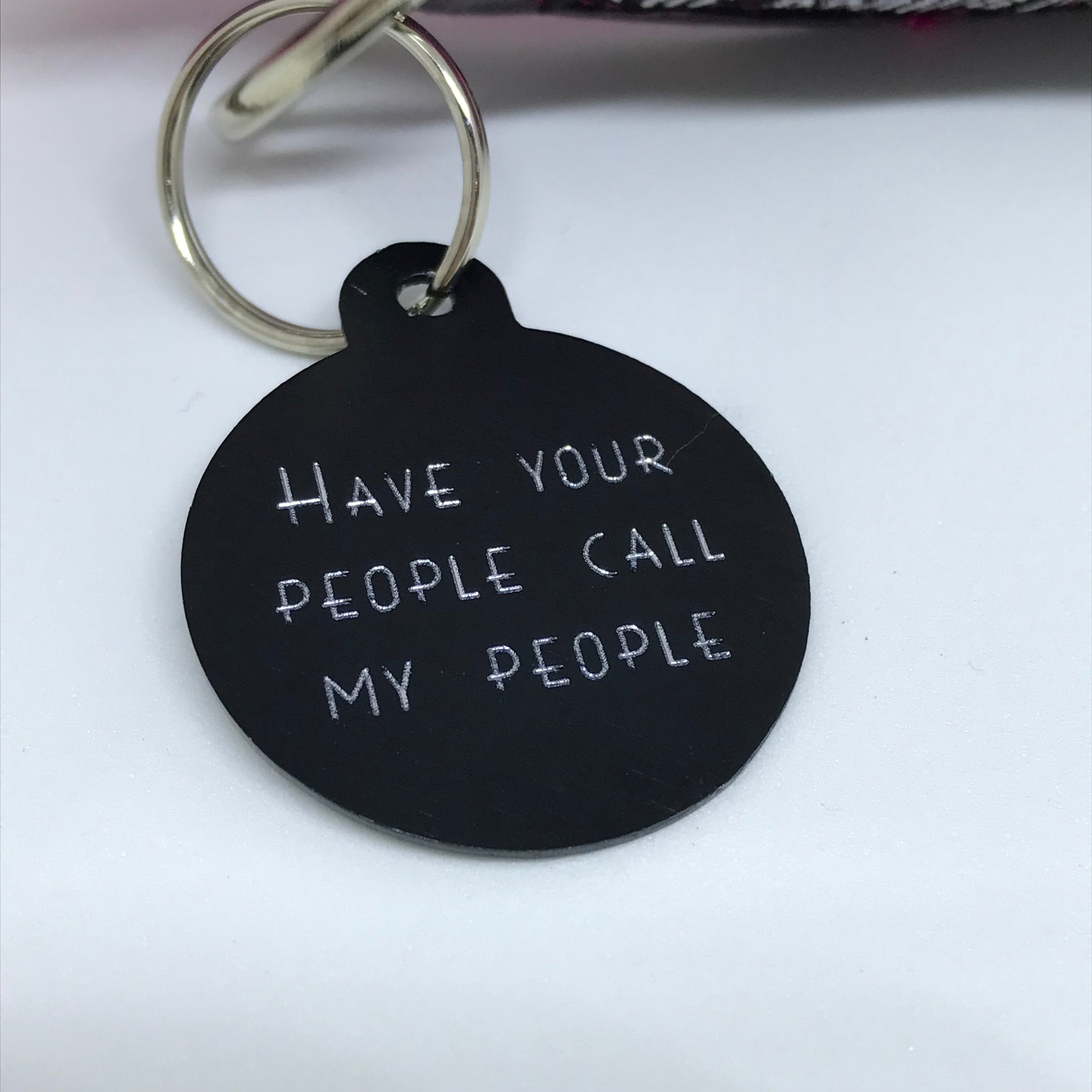
In today’s technological age, GPS tracking tags have emerged as innovative solutions for concerned pet owners. These devices offer real-time location tracking capabilities, allowing you to monitor your dog’s whereabouts through a smartphone app.
While dog tags serve as a primary means of identification, GPS tracking provides an additional layer of protection for those prone to wandering or escaping.
The Benefits of GPS Tracking
GPS tracking tags can dramatically reduce the stress of losing track of your pet. Through real-time notifications, you can receive updates regarding your dog’s location, helping to locate them faster if they wander away or go missing.
These devices are particularly beneficial for adventurous dogs who may take off during walks or hikes. Knowing where your dog is at all times allows you to plan your next steps effectively and efficiently.
Additionally, many GPS tracking tags come equipped with features such as geofencing, which sends alerts when your dog leaves a designated area. This feature offers an added layer of security, as it allows you to act promptly before your dog strays too far.
Potential Drawbacks of GPS Tags
Despite their benefits, GPS tracking tags do come with considerations. They can often be more expensive than traditional tags, and many require subscription services for ongoing usage.
Pet owners should weigh the costs associated with GPS tracking devices against the benefits they provide. For some, the peace of mind that comes with knowing their dog’s whereabouts will outweigh the financial implications.
Moreover, it’s crucial to understand that GPS tags should not replace traditional dog tags. Instead, they should be viewed as complementary measures that enhance your pet’s safety and security.
Customizing Your Dog’s Tags: Personalization Options

Personalization adds a distinctive touch to your dog’s tags, reflecting their unique personality and your bond as a pet parent. From fun shapes and colors to creative engravings, the possibilities for customizing tags are endless.
Taking the time to personalize your dog’s tag not only enhances its aesthetic appeal but also serves as a celebration of the special relationship you share.
Unique Designs and Shapes
Gone are the days of cookie-cutter tags! Today’s market boasts a wide array of designs and shapes, catering to every dog’s character. Whether you prefer hearts, bones, or even custom caricatures, there’s a design that can resonate with your pet’s spirit.
Keeping in mind your dog’s breed, size, and temperament will help guide your choices in design. A playful spaniel might suit a colorful bone-shaped tag, while a dignified bulldog could look great with a classic round design.
Engraving Options
Engravings present an opportunity to showcase your dog’s personality on their tag. Going beyond basic contact information, you might choose to add a fun quote, a nickname, or even a little doodle. These creative expressions further enhance the bond between you and your pet.
While custom engravings add charm, it’s crucial to ensure that essential information remains clear and readable. The balance between aesthetics and functionality is pivotal when deciding what to engrave.
Celebrating Special Occasions
Custom tags can also celebrate milestones or special occasions in your dog’s life. Whether it’s a birthday, adoption anniversary, or achievements like completing training classes, a personalized tag can serve as a sweet memento cherished for years.
This personal touch not only acknowledges shared experiences but can also deepen your relationship with your furry friend.
Where to Purchase High-Quality Dog Tags

Finding high-quality dog tags requires some research, as the options available can vary widely in terms of durability, material, and price. Knowing where to shop will ensure you get the best product for your dog’s needs.
Whether you prefer shopping online or visiting local stores, there are countless resources available to help you select the perfect tags for your canine companion.
Online Marketplaces
The internet opens up a world of possibilities when searching for dog tags. Numerous e-commerce platforms offer a vast selection of products, from standard tags to personalized creations. Shopping online allows you to compare prices, read reviews, and explore various styles.
Specialized pet boutiques often have unique designs that cater to specific tastes, making them worthy contenders for your consideration. Don’t forget to review shipping policies, as some sellers offer free shipping on orders above a certain amount.
Local Pet Stores
Local pet stores offer a hands-on experience that many pet owners appreciate. Visiting a store allows you to examine the quality of the tags physically, ensuring they meet your expectations regarding durability and weight.
Moreover, engaging with knowledgeable staff can provide valuable insights into the best options for your dog. Many local stores carry customizable tags that allow for engraving on-site, so you can walk out with your purchase ready for use.
Craft Fairs and Specialty Shops
For those seeking uniqueness, craft fairs and specialty shops can be gold mines for extraordinary dog tags. Independent artisans often create handcrafted tags that stand out, showcasing creativity and individuality.
Purchasing from these sources not only supports local businesses but also allows you to find one-of-a-kind designs that reflect your dog’s personality more meaningfully than mass-produced alternatives.
Maintaining and Replacing Dog Tags
Once you’ve selected the ideal dog tags, it’s crucial to understand how to maintain them properly. Over time, wear and tear can affect the readability and effectiveness of the tags, necessitating timely replacements.
Regular maintenance ensures that your dog’s tags remain functional and aesthetically pleasing throughout their lifespan.
Routine Inspections
Taking the time to routinely inspect your dog’s tags will allow you to identify any wear or damage early on. This proactive approach enables you to address issues before they become problematic.
Look for scratches, fading engravings, or bent attachments that could hinder the tag’s performance. If the information becomes unreadable, it’s time to consider updating the tag.
Keeping Information Current
As your life changes, so may your contact information. Regularly update your dog’s tags to reflect your current phone number, address, and emergency contacts. This step is crucial in maintaining effective communication channels if your dog ever gets lost.
It’s good practice to set reminders for yourself to check the tags periodically, ensuring you never overlook necessary updates.
Replacement Timelines
Even the most durable tags will eventually need replacing. Factors such as your dog’s activity level, exposure to the elements, and frequency of wear can influence how long tags last.
Investing in high-quality materials can help prolong the life of the tags, but it’s essential to remain vigilant. Generally, if the condition of the tag appears compromised, don’t hesitate to replace it.
Legal Considerations for Dog Tags and Identification

Understanding the legal landscape surrounding dog tags and identification is essential for every pet owner. Compliance with local laws ensures that you are fulfilling your responsibilities as a pet owner while safeguarding your dog’s well-being.
Each region may have unique regulations governing pet identification, so it’s vital to stay informed about the requirements in your area.
Local Ordinances
Many municipalities mandate that dogs wear identification tags. These laws are often in place to streamline lost pet recovery processes and reduce the number of stray animals. Failure to comply with local ordinances can result in fines or other penalties.
Checking with your local animal control office or municipality can provide clarity on the specific requirements applicable to your area. This knowledge not only keeps you compliant but also advocates for responsible pet ownership within your community.
Microchipping Regulations
Microchipping is often recommended as a supplement to traditional tagging methods. Some regions may require dogs to be microchipped and registered in addition to wearing standard identification tags.
Understanding these regulations can empower you to take the appropriate steps to ensure your dog’s identification is comprehensive. Many veterinary clinics and shelters offer microchipping services, making it convenient to include this vital safety measure.
Legal Implications of Lost Dogs
If your dog becomes lost and is found without appropriate identification, the legal ramifications can complicate the process of reclaiming them. Shelters may have protocols in place that prioritize returning identified pets to their rightful owners, while unmarked animals may face longer wait times.
Having clear tags can therefore minimize challenges during the recovery process. The notion of pet ownership encompasses responsibilities that extend beyond mere companionship; it’s a legal obligation to ensure your dog’s safety and identity.
Conclusion
Dog tags are a small but powerful tool in responsible dog ownership. They serve as a lifeline, offering a swift path to reunite you with your beloved pet in case of a mishap or emergency.
By choosing the right type of tag, including essential identifying information, and ensuring that it’s attached securely, you can significantly increase your chances of a happy reunion if your dog ever becomes lost.
Ultimately, investing in quality dog tags reflects not just a commitment to compliance with local laws, but also a deep-seated desire to protect and celebrate the unique bond you share with your canine companion. Every tag tells a story; let it be one of love, loyalty, and safety for your furry friend.
